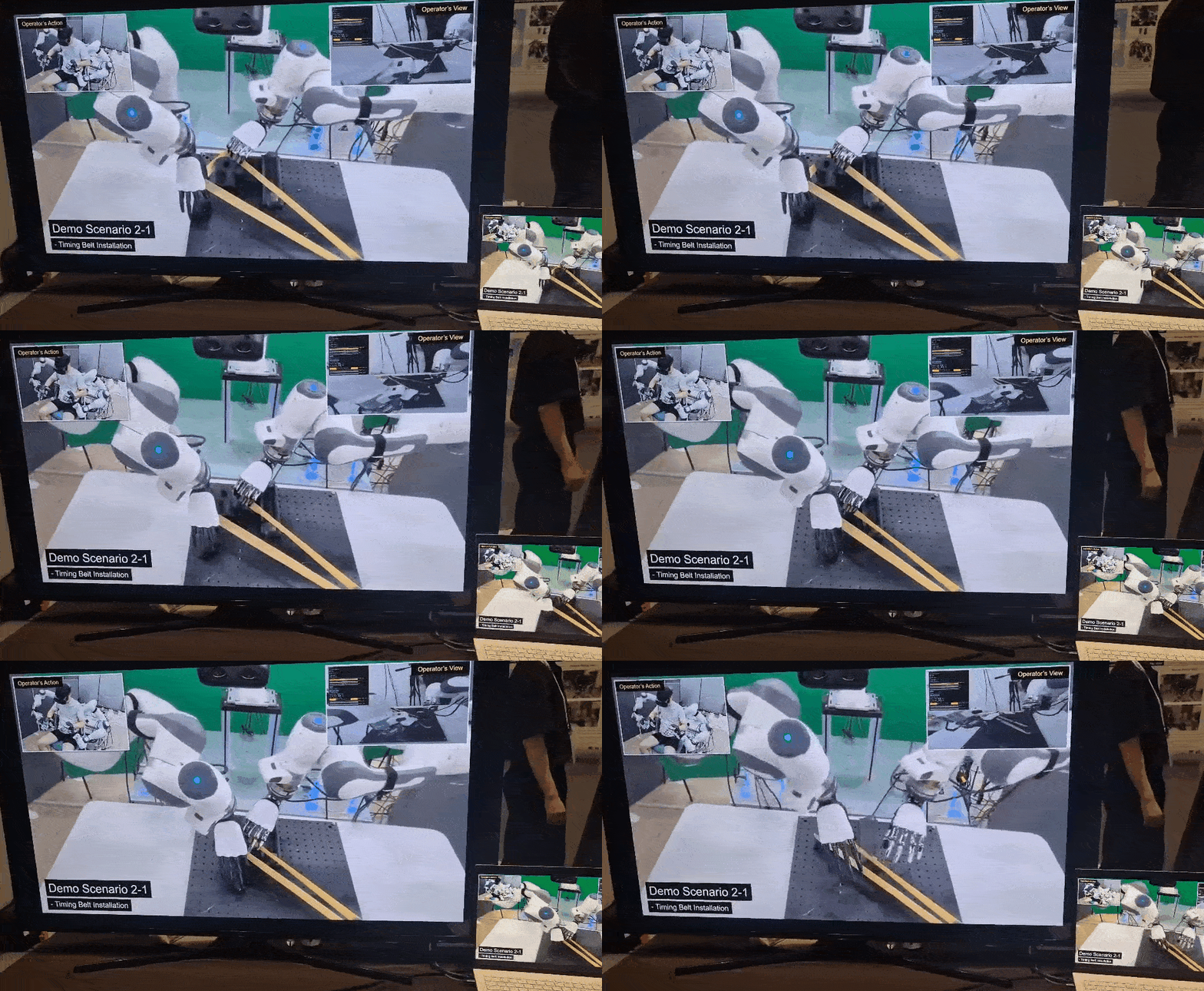
The dexterous hand market has seen more than 20 funding rounds in the past year, totalling over 3 billion yuan. One company sits at the top of the pile with a 35 per cent market share.
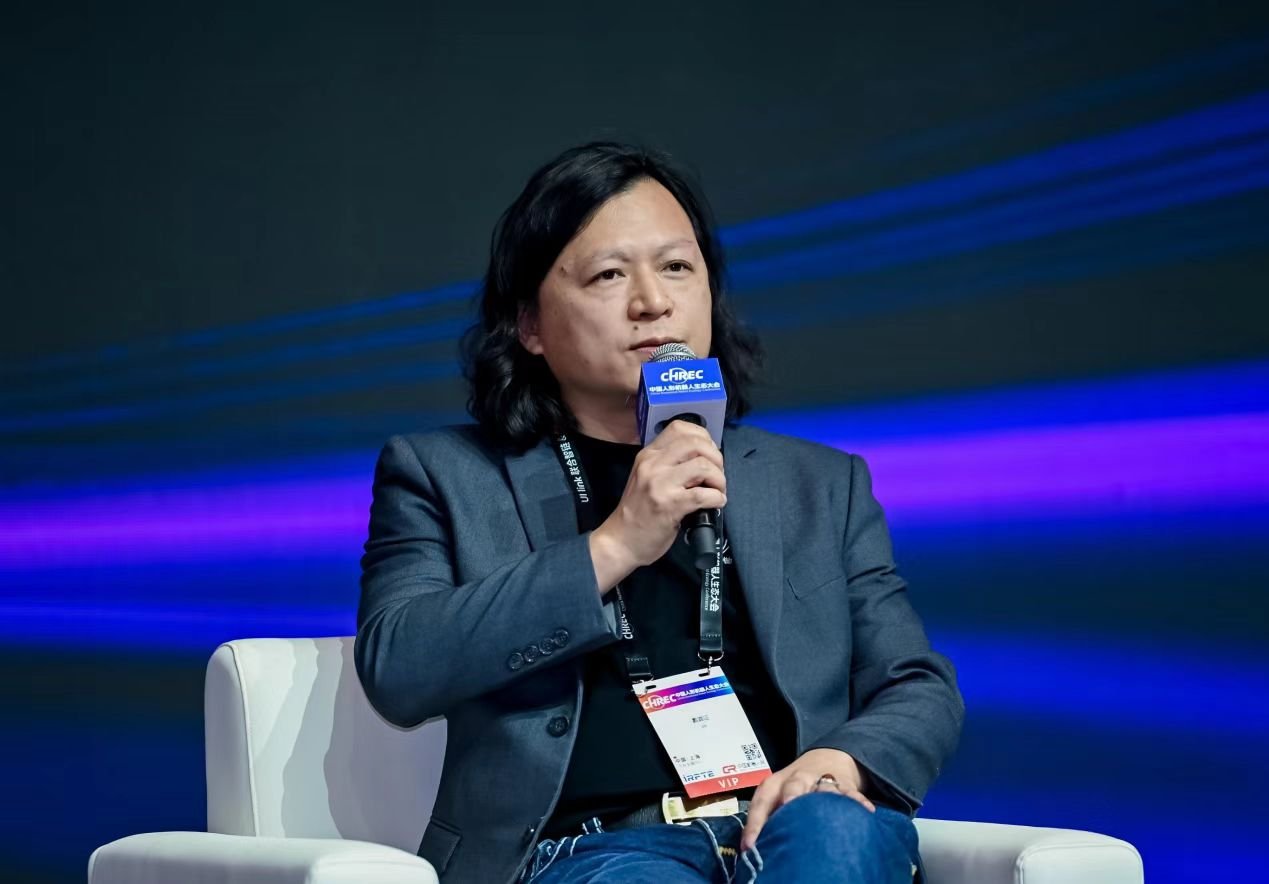
Aoyi Technology, founded in 2015 by former Qualcomm chip engineer Ni Hualiang, has completed eight funding rounds exceeding 400 million yuan. Backers include Infinity, Zhejiang Provincial State Asset Operation, Womeida Capital, Huafa Group, and Huajin Capital.
From bionic prosthetics to robot hands
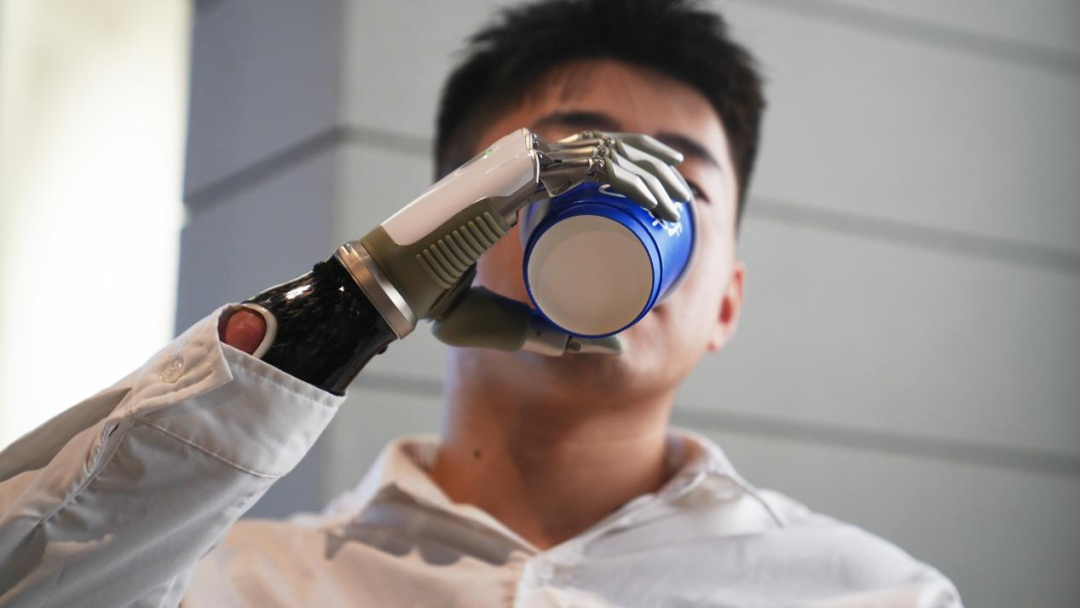
Ni spent seven years at Qualcomm’s Toronto R&D centre designing wireless communication chips. He returned to Shanghai in 2015, initially building gesture recognition for AR and VR. When that market stalled, he pivoted to prosthetics, finding a market stuck in 1990s technology with prices reaching 300,000 to 400,000 yuan for imported devices.
In 2023, as robot demand surged, Aoyi adapted its bionic hand technology for humanoid robots. It now ships three dexterous hand models in volume, with a fourth generation in development. The company also builds exoskeleton devices for stroke patients using its neural interface technology.
The linkage advantage
Aoyi’s hands use a motor-linkage mechanism, chosen for its self-locking capability and low power consumption. Position precision reaches 0.01 millimetres. If power drops mid-grip, the hand holds position. The trade-off is no impact buffer, unlike gear-driven designs that can reverse under collision.
Ni is blunt about industry excess: dozens of companies have piled into dexterous hands, creating redundant R&D and overcapacity. Some teams sacrifice durability for higher degrees of freedom, then overstate their capabilities in marketing. That behaviour, he says, is damaging the industry.
The cost equation
Dexterous hands should account for 10 to 15 per cent of a humanoid robot’s total cost, Ni estimates. For a 100,000 yuan robot, that means roughly 15,000 yuan for a pair. Hands priced at 5,000 yuan a pair, he warns, are almost certainly substandard.
The bottleneck is the brain
Body and cerebellum, the motion control layer, are advancing fast. Robots can already backflip and dance. The real constraint is the brain: embodied AI that can perceive, decide and act in unstructured environments. Until that matures, Ni says, there is little point pushing for 22 degrees of freedom when the software cannot use them.
Aoyi’s team of 80, half in R&D, is growing to about 100 this year. Its Zhuhai production base, backed by Huajin Capital, focuses on quality and consistency for 150-plus downstream partners across research, embodied AI, robotic arms and integration. The company has no plans to build its own robot body.