A layoff dispute has created multiple headaches for Xingyu Automotive Lighting Systems: the Hong Kong exchange’s listing review, overseas clients’ compliance probes and a wider clash of governance norms across global supply chains.
On 7 September Xingyu published an external handling notice via its official account, disclosing executive accountability, remediation steps and an apology to affected graduates and the public, in an attempt to close the controversy.
The episode began when Xingyu recruited 440 graduates for the class of 2026, of whom 107 faced a choice within a month of joining: resign for half a month’s pay or be reassigned to front-line assembly. Recordings spread online and triggered an uproar.
Xingyu is at a critical Hong Kong IPO moment. It filed a second application on 29 July, only three days after its first lapsed on 26 July, and won China Securities Regulatory Commission clearance on 14 August. Normally the next step is a hearing, the final hurdle before listing. But several bankers told Caijing that more than three weeks after clearance, no hearing date has arrived, well beyond the usual rhythm.
On 9 September the Shanghai Stock Exchange issued a regulatory letter to Xingyu over related matters, covering the listed company, directors, senior managers, the controlling shareholder and actual controller. The same day Xingyu corrected an age error in its 2025 annual report for a deputy chairman.
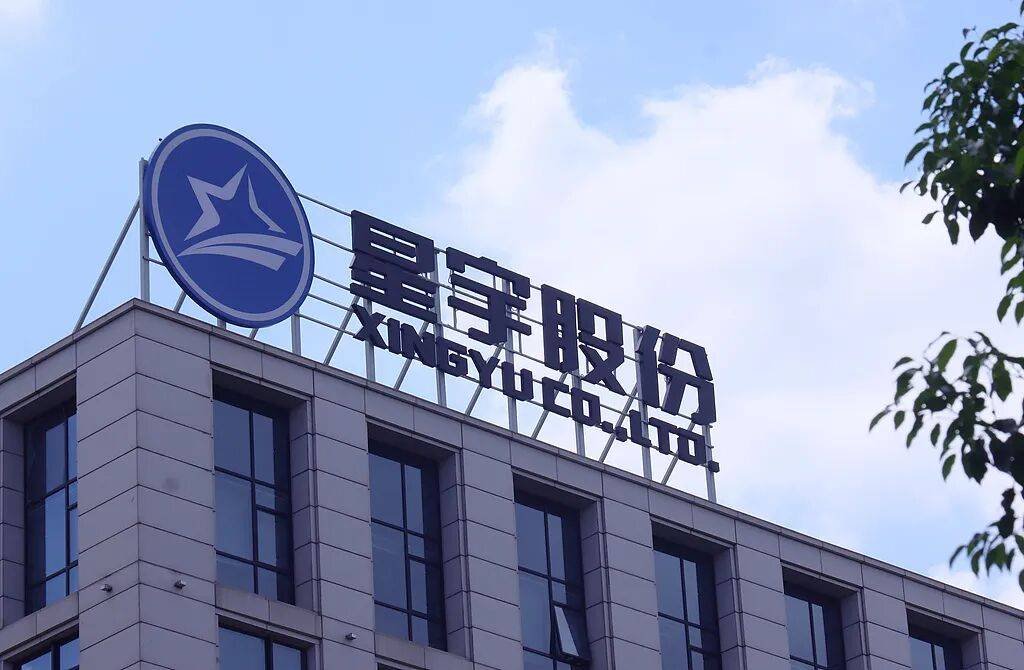
Called the ‘first share of lighting’, Xingyu was founded in Changzhou, Jiangsu, in 1993 and listed on the A-share market in 2011, supplying headlamps, rear combos, fog lamps and ambient lighting. Revenue rose from 10.25 billion yuan in 2023 to 15.26 billion yuan in 2025, a 15.12 per cent gain, though first-half 2026 revenue of 6.88 billion yuan grew just 1.87 per cent with net profit down 5.26 per cent. Per Frost and Sullivan, it led China’s automotive-lighting market with 11.6 per cent share in 2025 and held 4.6 per cent globally, seventh worldwide.
Xingyu’s Hong Kong push was meant to use the international platform for overseas capacity and capital. But its overseas assets were only 1.30 billion yuan, 7 per cent of total assets, and reports of differing labour practice at its Serbia plant have amplified scrutiny. Lawyers note that, as one of the world’s strictest exchanges on governance, Hong Kong may demand extra disclosures on the layoffs, governance and client-order impact. Volkswagen, Mercedes-Benz and BMW have all responded to the dispute and opened probes.
For Chinese firms going global, the lesson is that governance boundaries are being redrawn: a labour issue can become a client, supply-chain, brand, capital-market and board-level problem at once. Compliance capacity is turning into market-access capacity.
Editor’s note: This is an adapted translation of the original Sohu report. It has been trimmed and restructured for readability for an international business audience. The full original (in Chinese) is at https://www.sohu.com/a/1074126294_115571.
Translated and adapted from Sohu (https://www.sohu.com/a/1074126294_115571).