Many readers have asked about Tesla-chain suppliers. With no non-public detail to share, the half-year reports offer a public view. The first three were Sanhua, Tuopu and Rongtai. today it is Siling Zhiqu.
On 26 August, Siling Zhiqu published its half-year report: revenue of 421 million yuan, up 7.61 per cent, and attributable net profit of 77.21 million yuan, down 22.14 per cent. The profit drop came mainly from exchange losses, as overseas revenue is about 70 per cent of the total and currency swings added roughly 40 million yuan of loss. stripping that out, the core business held steady.
Robotics is the real highlight. The firm has put harmonic reducers and reducer-specific bearings into production and built actuator-module research reserves. Domestic harmonic-reducer capacity stands at 300,000 units, with a Thailand base planned at 1 million to 1.2 million units for North American demand. By mid-year the robotics-parts upgrade project had invested 45 million yuan, 38.5 per cent of plan.
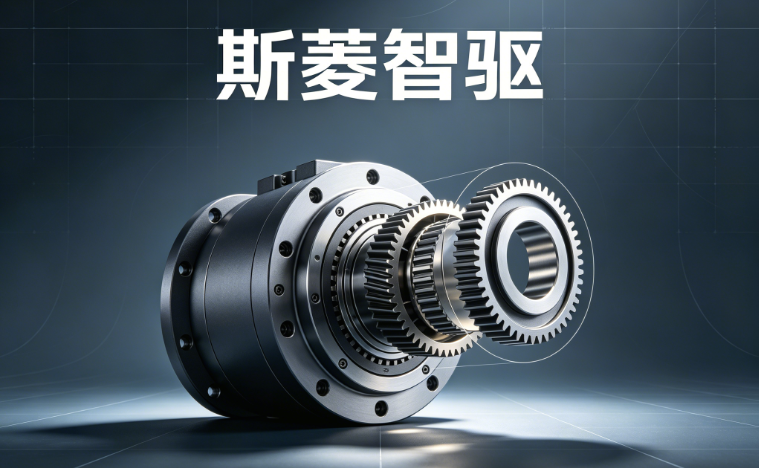
At an earnings call, management said harmonic reducers are in small-batch delivery of tens to hundreds of units per batch, with client mass-production moving clearly faster than in 2025 and the first half of 2026. Actuator modules are research-ready, with all parts but motors, encoders and drives made in house. micro-motor bearings are in pre-mass-production trials with clients testing.
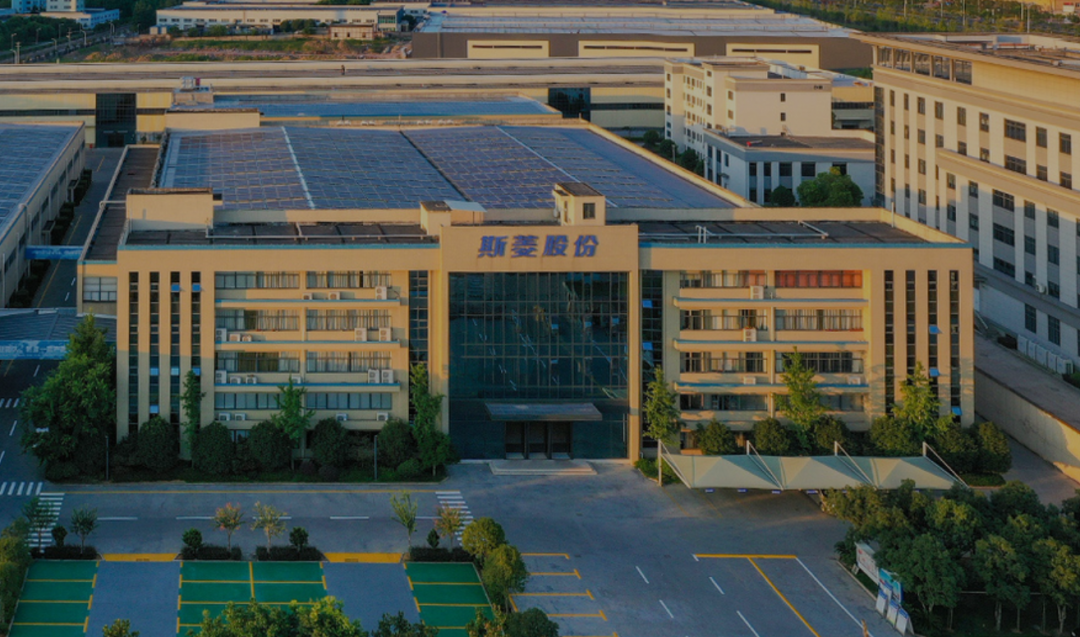
On its place in the Tesla-chain harmonic-reducer supply, Siling Zhiqu is the primary supplier, with Kodali second, Harmonic Drive third and Green Harmonic behind. Multiple broker notes confirm this: Changjiang Electric New-energy called Siling the locked-in primary on reducers plus integrated bearings, and in August reaffirmed its leading status with an estimated share above 50 per cent.
Primary-supplier status brings a lock-in effect: once primary, later orders, share gains and new-product introductions get priority. The three nodes, 300,000 domestic units already built, 1 million to 1.2 million Thai units by year end and a 1.5 billion yuan private-placement top-up, point to a capacity window from late 2026 into early 2027 that matches the Tesla-chain mass-production rhythm.
Editor’s note: This is an adapted translation of the original OFweek Robotics report. It has been trimmed and restructured for readability for an international business audience. The full original (in Chinese) is at https://robot.ofweek.com/2026-09/ART-8321201-12003-30701415.html.
Translated and adapted from OFweek Robotics (https://robot.ofweek.com/2026-09/ART-8321201-12003-30701415.html).