On 22 September, Shenzhen Fanbote Robotics closed an angel round in the tens of millions of RMB. Incubated at the Yale Innovation Center and based in Shenzhen’s Nanshan district, the startup is walking away from the crowded general-purpose humanoid race to bet everything on mental-health coaching robots for students.

Why a hard path
China carries close to 250 million enrolled students, yet school counselling capacity stays thin and most intervention stays reactive. Fanbote’s founding team mixes finance, AI engineering and neuropsychology instead of the usual pure-hardware lineup. Chief executive Fan Zheng is a Johns Hopkins MBA and serial founder who spent six years in the US at Man Group. Co-founder Zhang Shiyang holds a Yale computer-science doctorate with nearly ten papers at ICLR, ICML and NeurIPS. The third co-founder, Zhang Xihan, combines a Yale psychology and neuroscience doctorate with a Harvard computational-biology master’s, published in Nature Neuroscience and Neuron.
Software and hardware for emotional interaction
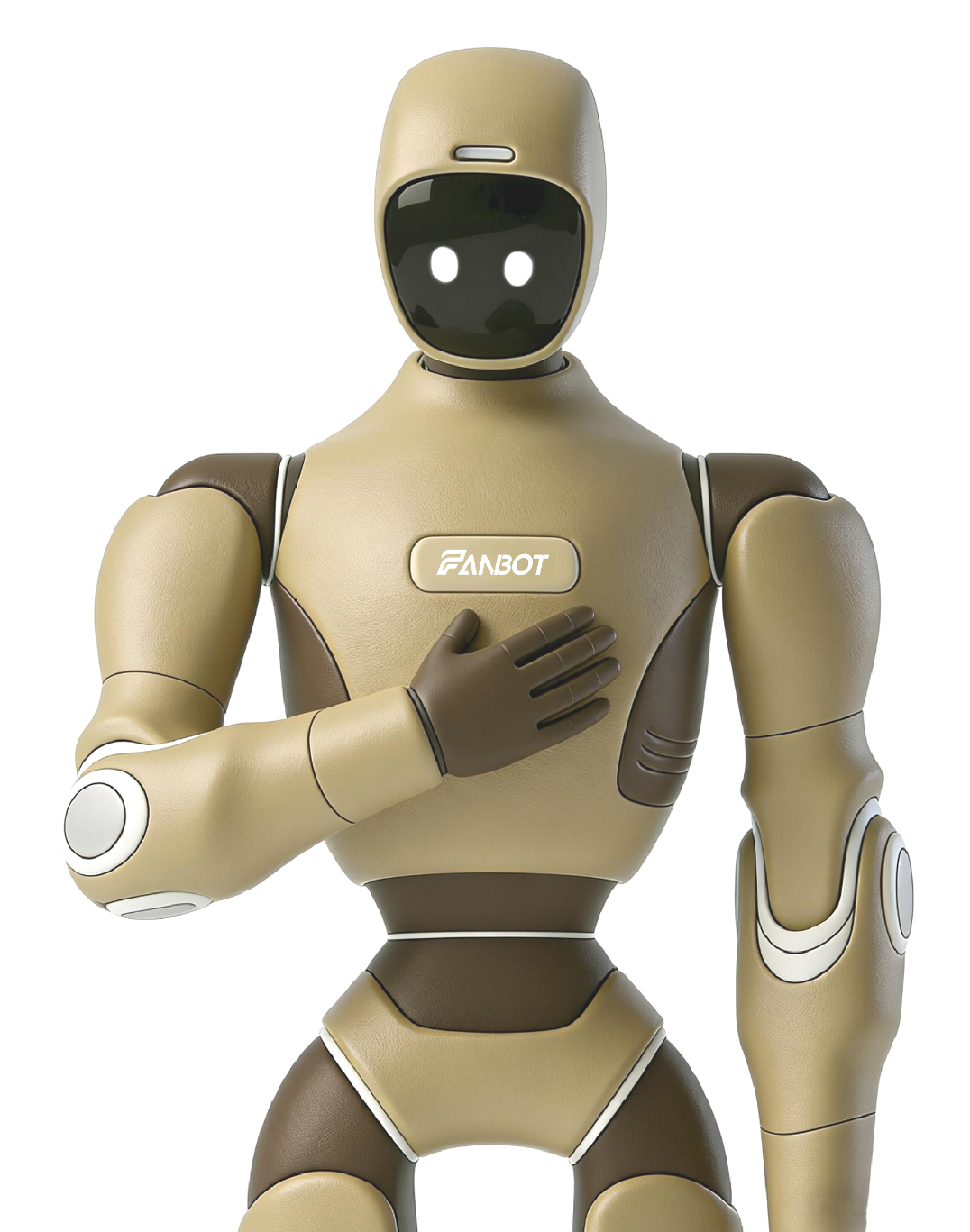
Most AI mental-health products split into two dead ends: phone apps with no physical body, or consumer bots that bolt a general model onto a shell. Fanbote builds its own multimodal mental-health model, AI agents and a range of companion robots spanning humanoids, robot dogs and portable pet bots. The hardware becomes a gateway for bodily signals such as expression, voice rhythm and posture, closing the gap that text chat leaves open.
The business model skips the one-off hardware sale. Schools get batch deployments that screen mood continuously. Homes get a portable companion. Recurring revenue comes from campus SaaS subscriptions, custom programmes and model licensing.
Will the vertical niche break through
The industry’s weak points are clear. Triage between ordinary venting and a real crisis is hard. Minor-data privacy sits at the highest sensitivity tier. Campus budgets are tight and home companions gather dust. Every AI product here must stay an aid, never a replacement for a human counsellor, with a clean hand-off to clinicians.
Fanbote’s angel round matters less as another robotics birth than as a warning to a feverish sector. Embodied intelligence does not have to mean a general humanoid, and a robot need not go to a factory to earn its keep. Picking up the social-emotional slack is a worthier target than another demo on a stage.
More from the original report

Editor’s note: This is an adapted translation of the original OFweek Robotics report. It has been trimmed and restructured for readability for an international business audience.