Audi will receive several hundred million dollars in tax incentives and government grants in the US state of Georgia for a USD 4 billion assembly plant, and is already considering a second phase.
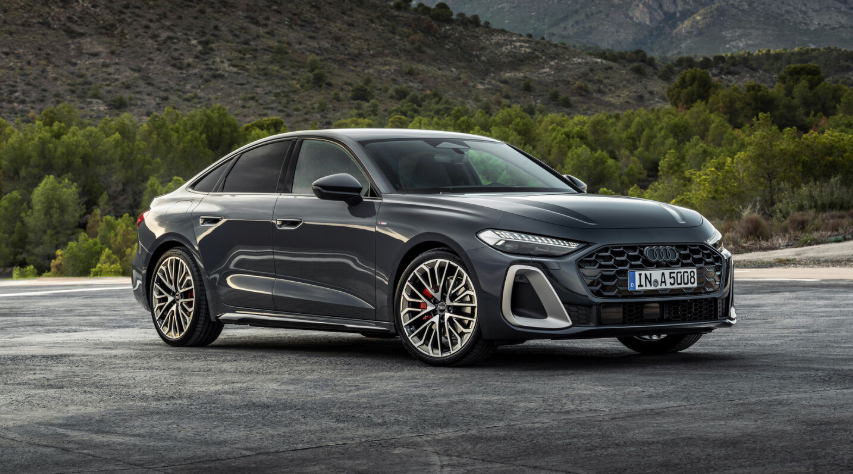
The brand, part of the Volkswagen Group, announced on 25 October that it plans its first US assembly plant near Macon, Georgia, with production starting in the early 2030s, capacity for 200,000 SUVs a year and 4,500 jobs.
Documents published by the Mid-Georgia Gateway Development Authority show that Audi is considering a second phase, with an additional USD 3 billion of investment and 3,000 more jobs by 2033. Audi declined to comment.
The state will provide about 1,500 acres of land, USD 458 million in tax incentives and more than USD 120 million in grants for infrastructure, rail works, site remediation and plant construction. It will add USD 430 million for water supply, road improvements, utilities and workforce training and recruitment.
Reuters has reported that the Trump administration has promised Audi tariff relief to secure the plant. US officials told Audi executives that carmakers investing heavily in American production would receive broad tariff relief.
Two people familiar with the talks said Audi has been pushing to cut the tariff it pays on cars imported from the EU from 15 per cent to 7.5 per cent, and that the Commerce Department is expected to agree to a rate closer to 10 per cent.
Because Audi currently imports every vehicle it sells in the United States from Europe or Mexico, US duties on imported vehicles, steel, aluminium and parts cost the brand about EUR 1.2 billion (USD 1.4 billion) last year.
Those figures set the frame for the decision. A plant that costs USD 7 billion across two phases is being justified not by American demand but by the cost of the border. The state incentives and the tariff rate together decide the return, and both are political variables.
For European suppliers, the second phase matters more than the first. A 200,000-unit plant re-sources some volumes. A plant planning expansion over a decade re-sources the supply chain, which is why Volkswagen has been signing localisation agreements before the first steel is poured.
Editor’s note: This is an adapted translation of the original Gasgoo report. It has been trimmed and restructured for readability for an international business audience. The full original (in Chinese) is at https://auto.gasgoo.com/news/202611/6I70477203C101.shtml.