Panasonic used the ninth China International Import Expo to set out a new China strategy organised around three business areas: AI infrastructure, advanced manufacturing, and health and smart living spaces.
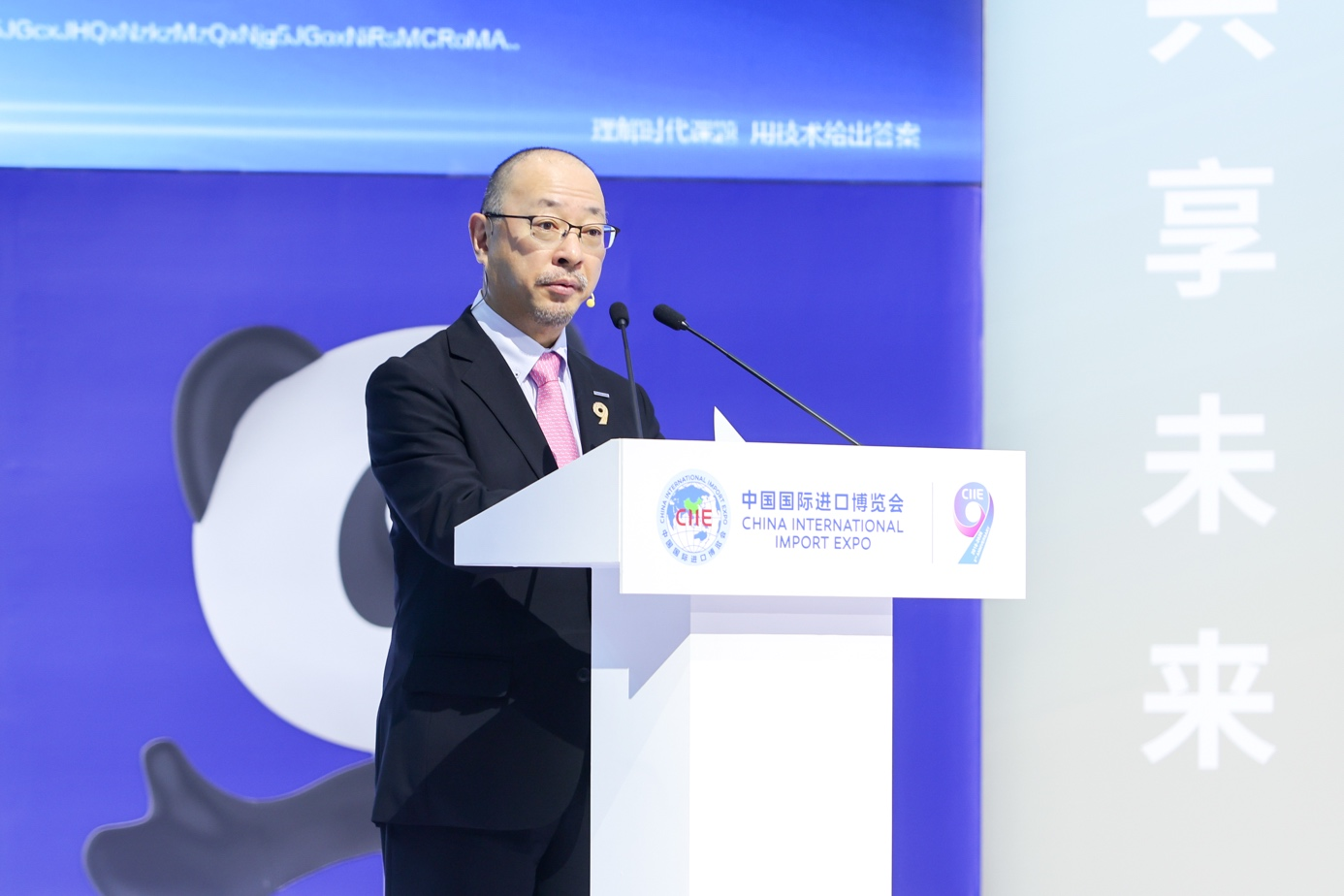
Nakayama Masaharu, executive officer of Panasonic Holdings and chief representative for China and Northeast Asia, said the plan responds to the requirements of China’s fifteenth five-year plan and links to the group’s 2032 global growth strategy.
Advanced manufacturing as the spine
Advanced manufacturing is the centre of gravity. Panasonic is pushing high-speed placement machines, welding equipment and automation control into electronics, new energy vehicles, shipbuilding and large equipment.
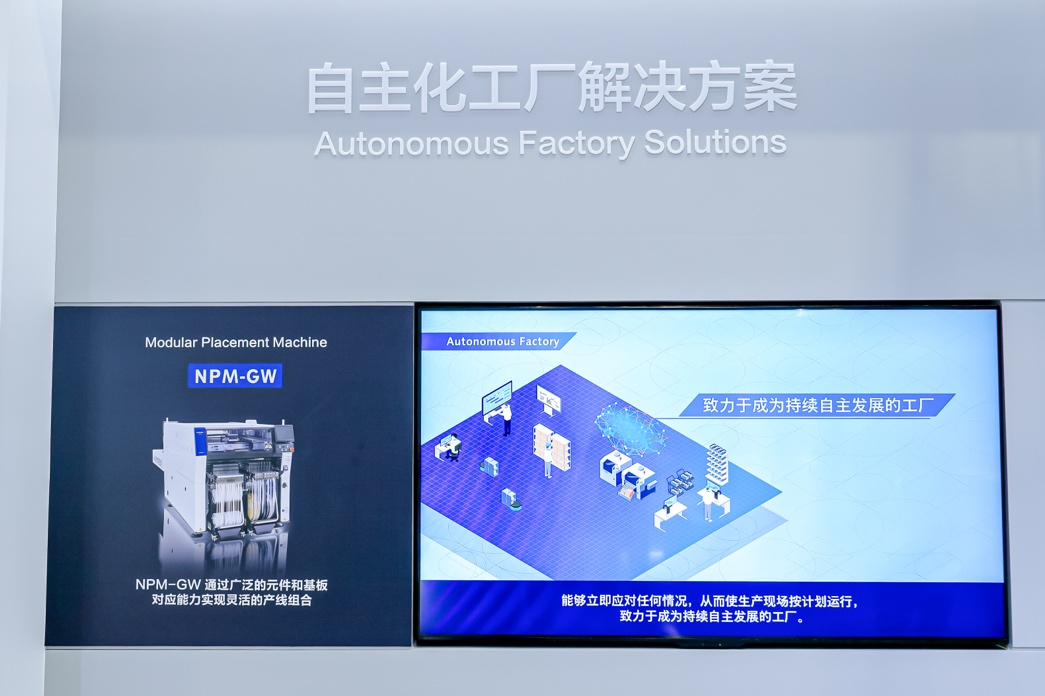
Its NPM-GW series supports printed circuit boards up to 1,500 millimetres long with a load of 10 kilograms, sized for AI server boards and automotive power boards. The machines combine micron-level motion control with high-precision vision, and Panasonic pairs them with real-time monitoring of the five M factors in production, using automation and AI to keep a line running without intervention.
Welding robots for electric vehicles
In automotive, Panasonic is combining its arc welding technology with digital and AI control to advance smart welding robots for new energy vehicles and large equipment, improving weld quality and throughput through connected equipment.
Capacity has been expanded to support the push. A second phase of the Suzhou production technology plant, built with an investment of RMB 240 million, was completed in 2025 and doubled capacity there. Tangshan Panasonic expects sales of RMB 2 billion in the fiscal year 2026.
Materials for AI servers
The AI infrastructure business is scaling alongside it. Panasonic plans to double global capacity for MEGTRON high-performance multilayer substrate materials by 2030, having invested about RMB 2.2 billion across sites in Guangzhou and Suzhou.
Phase one of the new Suzhou electronic materials plant is scheduled for mass production in December, with phase two expected to start in August 2028. The material goes into AI servers and high-speed communications equipment.
The strategy is a quiet admission about where the value sits. Panasonic exited consumer electronics manufacturing in China years ago. What remains, and what it is now expanding, is the equipment and materials layer that Chinese factories buy when they automate, including the factories making the electric vehicles that displaced Japanese brands.
Editor’s note: This is an adapted translation of the original Gasgoo report. It has been trimmed and restructured for readability for an international business audience. The full original (in Chinese) is at https://auto.gasgoo.com/news/202611/6I70477136C103.shtml.