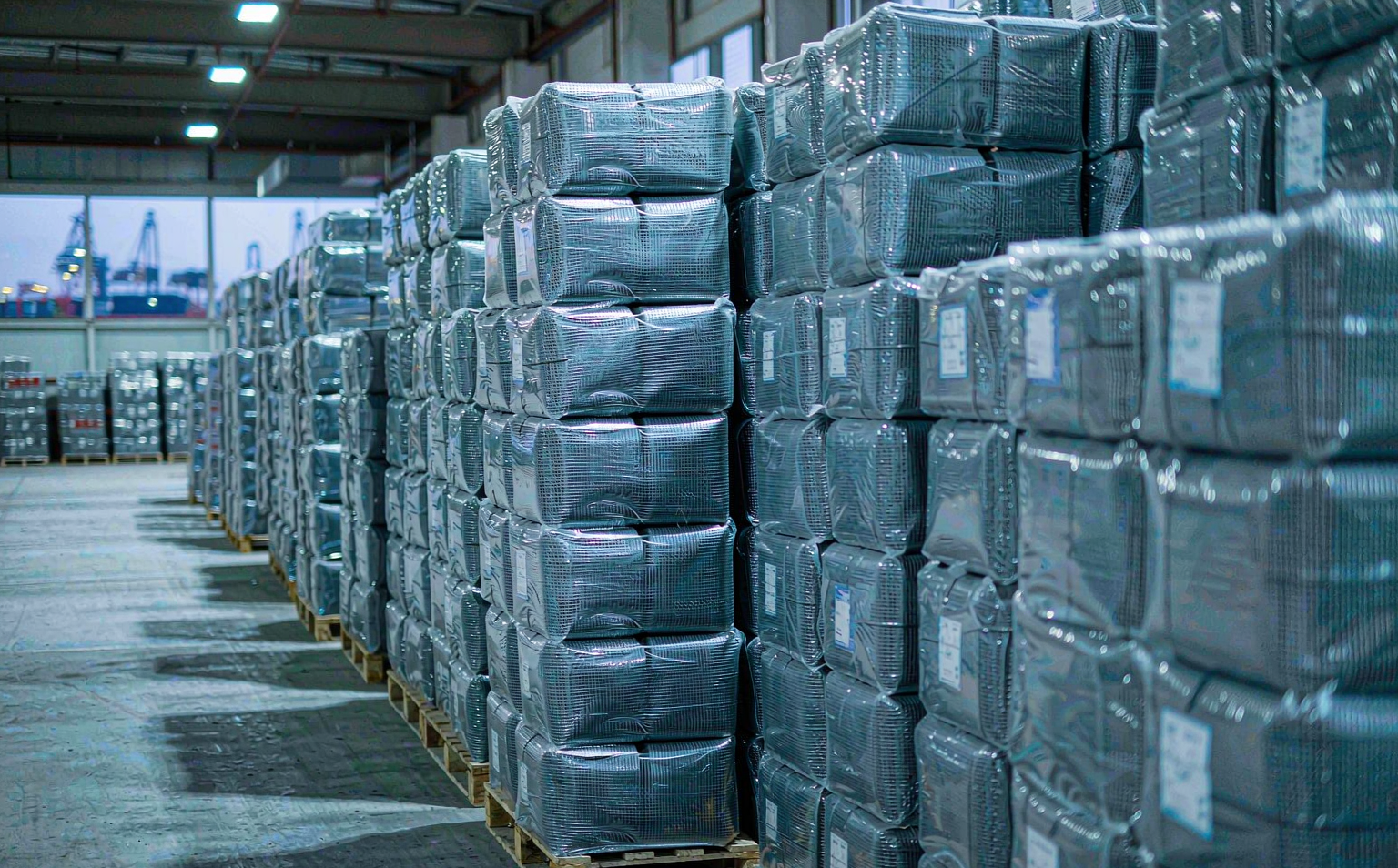
Roughly 600,000 Nvidia H200 accelerators are sitting in Hong Kong because Beijing has not cleared them for entry, according to a Reuters account citing people familiar with the matter. Neither the American nor the Chinese government has confirmed the figure, and Nvidia has not commented on it. The absence of confirmation has not stopped the number from becoming the most quoted figure in the semiconductor trade this month.
How $20 billion of silicon stops moving
The mechanics are mundane, which is what makes the story strange. Export licences were granted on the American side. Payment terms were agreed. The goods were manufactured, boxed and shipped to a free port that has handled exactly this kind of transhipment for four decades. What is missing is an import approval from the receiving side, and without it the cargo simply sits.
At current pricing for the H200 class, 600,000 units represent a book value in the high tens of billions of dollars. That inventory is now carried by distributors and by Nvidia’s channel partners, not by the customers who were supposed to receive it.
The share that disappeared first
The commentary, published by Global Times and carried by Sohu Tech, makes one numerical claim that is easy to check against the company’s own disclosures. Nvidia’s share of China’s AI accelerator market has been compressed to roughly 30 per cent of its former level across successive rounds of American export controls that began in 2022.
Those controls did not stop at the headline ban. Associated entities and overseas subsidiaries of restricted Chinese firms were added. Access routes through offshore cloud rental, which had allowed Chinese developers to rent capacity abroad, were squeezed shut. Even downgraded parts, built specifically to sit under the performance thresholds, found themselves on the wrong side of a later revision.
So the market Nvidia is now being licensed to re-enter is not the market it left. It is roughly a third of the size, and it has spent four years building alternatives.
The logic that changed on the buying side
The argument in the Chinese commentary is not that the chips are unwanted. It is that the criteria for buying them have been rewritten by the four years in between. Supply continuity, the sustainability of a software roadmap and the controllability of the supply chain now come before benchmark performance in procurement decisions, because a buyer who commits a data centre to a part that can be cut off in a policy cycle has bought a liability.
That is a commercial argument, and it holds independently of politics. Any enterprise that watched its accelerator supply disappear twice will discount the third offer, however attractive the price.
The part Washington has not said out loud
The commentary attributes a second motive to the American side: that selling older parts is a way of keeping Chinese workloads inside the incumbent software ecosystem, slowing the iteration of domestic chips and holding a stable gap rather than a widening one. The H200 is two generations behind the current top bin, so the part does not threaten the frontier. It only threatens the business case for replacing the frontier.
What that reasoning did not account for is timing. The window in which a discounted incumbent part can reset a buyer’s roadmap closes as soon as the buyer has rebuilt around something else, and four years is long enough to rebuild.
None of this means Chinese accelerators have caught up. It means the decision to buy is no longer automatic, and an automatic decision was the whole basis of the plan.
Editor’s note: This is an adapted translation of the original Sohu Tech report, which republished a Global Times commentary. Figures attributed to Reuters are unconfirmed by the parties involved. It has been trimmed and restructured for readability for an international business audience. The full original (in Chinese) is at https://www.sohu.com/a/1098116685_122014422.