Tesla intends to begin producing battery cells at its plant near Grünheide, outside Berlin, before the middle of 2027. At that point the European content of a Model Y sold in Europe should reach 90 per cent, above the localisation threshold Brussels is currently drafting.
Andre Thierig, senior director of manufacturing at the Berlin plant, gave the timeline at the Automobilwoche Congress in Berlin on 11 November. Some equipment for the new cell shop is still missing, he said, but full operation is expected before mid-2027.
The European Commission proposed an Industrial Acceleration Act in March this year requiring 70 per cent local content, with battery cells and electric motors made inside the European manufacturing area. The exact boundary of that area is still under discussion.
A supply chain that crosses the Atlantic twice
The current arrangement is unusually circular. Grünheide produces electrolyte, anode and cathode material, sends those to Texas to be processed into finished cells, and brings the cells back to Europe. The plant also uses complete battery packs supplied from Shanghai.
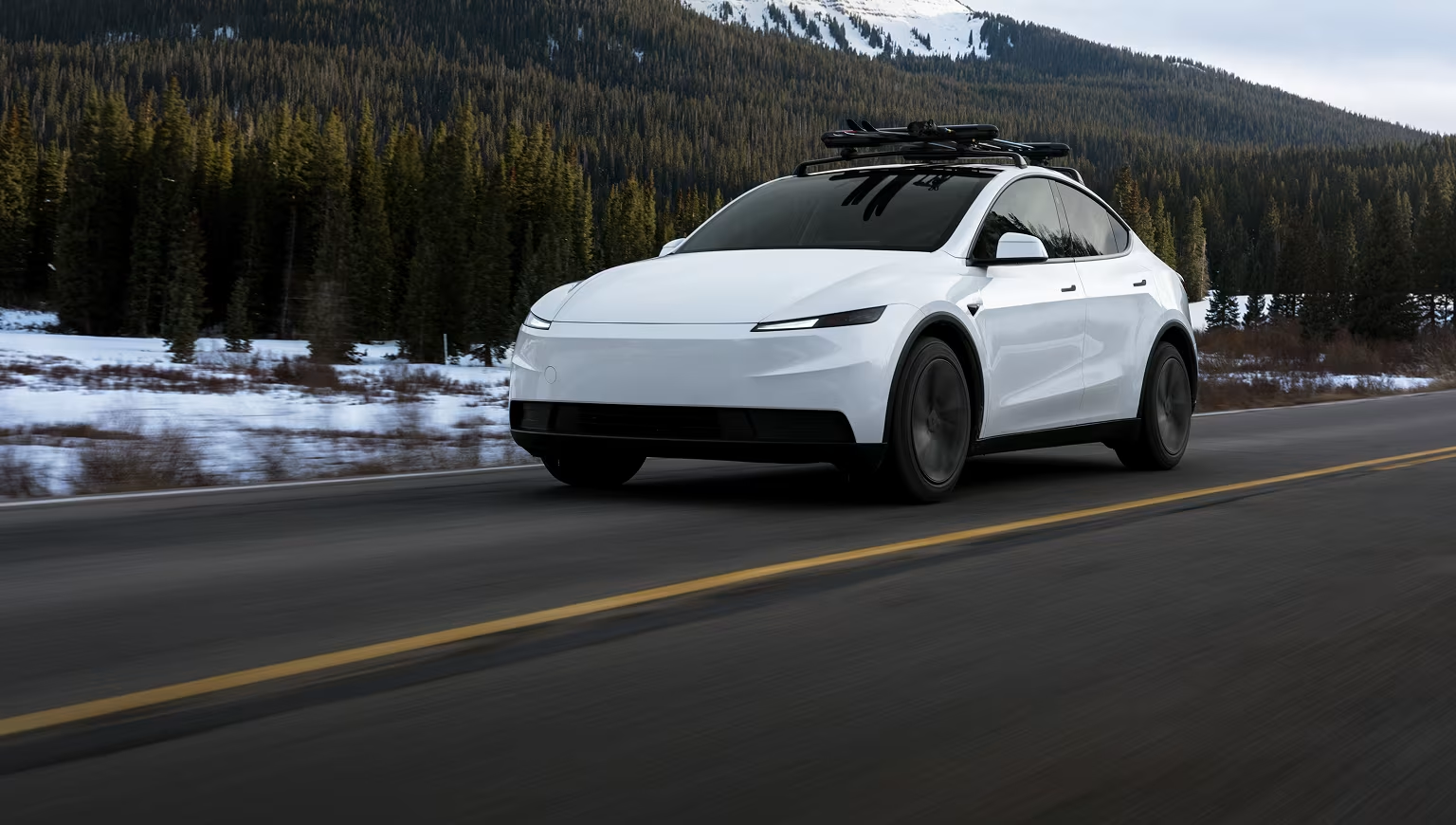
Grünheide already builds electric motors. It builds only the Model Y, which is Europe’s best-selling battery-electric model and also ships to markets including Canada.
Once cell production runs at full rate, Thierig said, Berlin will be the first and only car factory in Europe to complete every step from cell to finished vehicle on a single site.
Fifty per cent more cars, same buildings
Tesla has filed the necessary environmental approvals to raise weekly output by 50 per cent, from 5,000 vehicles to 7,500. On a 48-week production year that lifts annual capacity from roughly 240,000 to about 360,000 vehicles.
The plant currently runs three shifts a day, five days a week, for 15 shifts weekly. Production staff work 38 hours a week, above the 35 hours set by the IG Metall collective agreement, a gap that has been a persistent source of friction with the union. Thierig said the longer week remains a competitive advantage and that Tesla will not give it up.
Tesla said the plant built more than 200,000 cars in 2025 without disclosing an exact figure.
The strategic logic is straightforward. A car assembled in Germany from imported cells is increasingly a car exposed to rules of origin, carbon accounting and tariff risk. A car assembled in Germany from German cells is not. Tesla is buying itself the second version before the rules finish being written.
Editor’s note: This is an adapted translation of the original Gasgoo report. It has been trimmed and restructured for readability for an international business audience. The full original (in Chinese) is at https://auto.gasgoo.com/news/202611/12I70477798C101.shtml.