In January 2026, Silicon Valley robot-brain company Skild AI closed a $1.4bn Series C at a valuation jumping from $4.5bn to over $14bn, without building a single robot. A year earlier, Peking University professor Lu Zongqing was grilled by investors for doing the same: selling only a model.
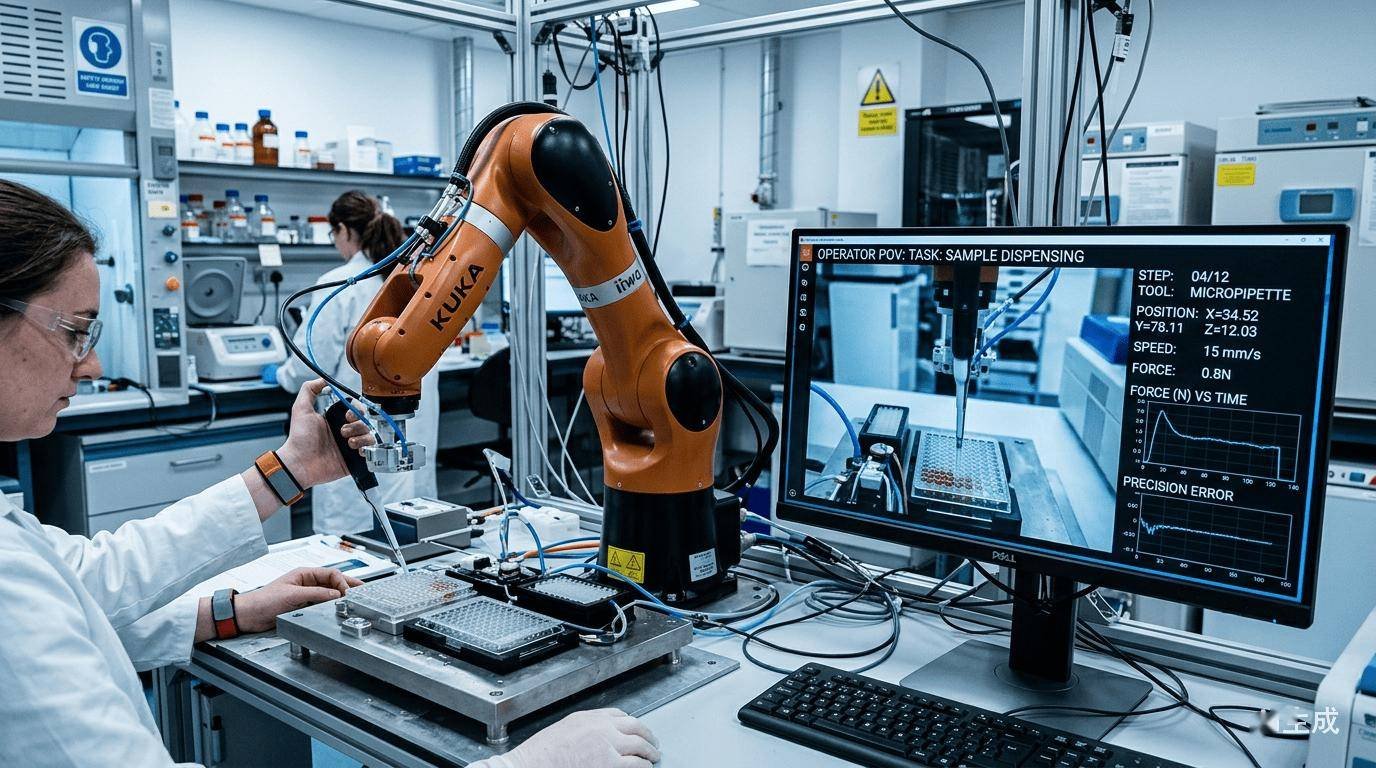
Lu’s company, BeingBeyond, just released Being-H0.8, an implicit tactile world-action model trained on 500,000 hours of first-person human video, the largest such corpus among embodied models globally. Its progression tells the story: H0 at 3,000 hours in July 2025, H0.5 at 35,000 hours supporting 30 robot types in January, H0.7 at 200,000 hours in April, then H0.8.
Lu’s thesis: hardware has not converged, so do not get trapped by it. Simulation and real-robot data are too narrow; human video scales. Meituan, Ant and JD are now crowdsourcing first-person video too. The emerging consensus route is pre-training on human video, then post-training on real or simulated data.
The cost is plain. A pure-model startup sells no hardware, so its revenue lags vertically integrated rivals. But Lu argues a small team cannot master both model and body at once, and real-robot data rots when hardware iterates. His bet is a model that generalises across any body, which forces it to be truly universal to ever commercialise.
Read the original report (Sohu IT)
Translated and adapted from Sohu IT (it.sohu.com).