On 28 July BYD confirmed to Chinese media that its humanoid robot product will officially go to work in August, marking the company’s shift from a carmaker into a broader ecosystem technology group. The same day, the 2026 Fortune Global 500 list landed. BYD displaced Tesla as the world’s top electric vehicle seller and became the only Chinese carmaker inside the top 100.
The timing was not accidental. BYD’s monthly sales reached 403,500 units in June, the only Chinese brand above 400,000 that month, then climbed to 419,200 in July, up 21.75 per cent year on year. Against a domestic market that has been cooling, the numbers read as a statement.
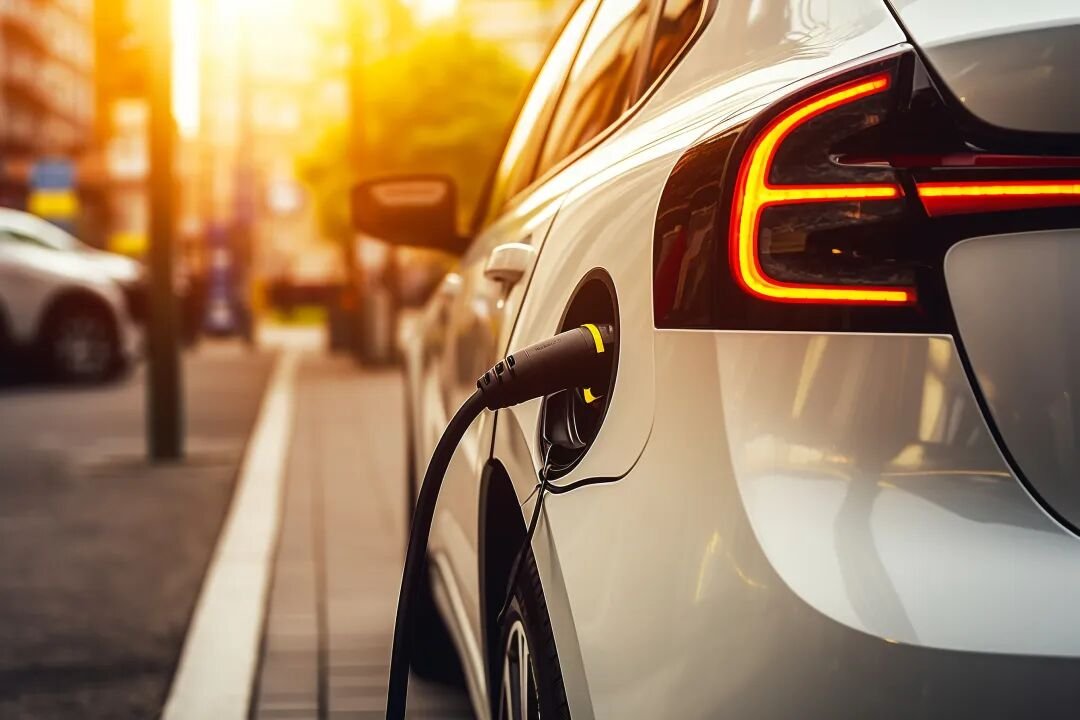
A sales machine under pressure
The backdrop is soft. In June, China’s narrow passenger vehicle retail sales fell 23.2 per cent year on year to 1.602 million units, and the first half came in at 8.701 million, down 20.2 per cent. BYD holding the half-year crown through that downturn is the bright spot the company is leaning on.
Overseas demand carried much of the load. June exports hit 174,900 units, up 95 per cent and 43.4 per cent of total volume, and overseas gross margin runs 6 to 11 percentage points above domestic. In the second quarter BYD delivered 557,000 pure electric vehicles globally, ahead of Tesla’s 480,000. In Australia alone BYD delivered 18,800 units in June, just 243 behind long-time leader Toyota.
The overseas build-out is concrete. BYD is building a wholly owned plant in Szeged, Hungary, with annual capacity of 300,000 units, with vehicle assembly set to begin in the fourth quarter of 2026. Executive vice president Stella Li has said the company plans several models designed and developed specifically for Europe within three years.
What the Fortune ranking really measures
BYD’s net margin reached 4.1 per cent, above the global average of 1.7 per cent and the highest among Chinese vehicle makers, according to the Fortune data. In the first quarter the company posted revenue of 150.23 billion yuan, net profit of 4.09 billion yuan and gross margin of 18.81 per cent, up 1.37 points from the prior quarter. That financial discipline, not just volume, is what earned the top-100 seat.
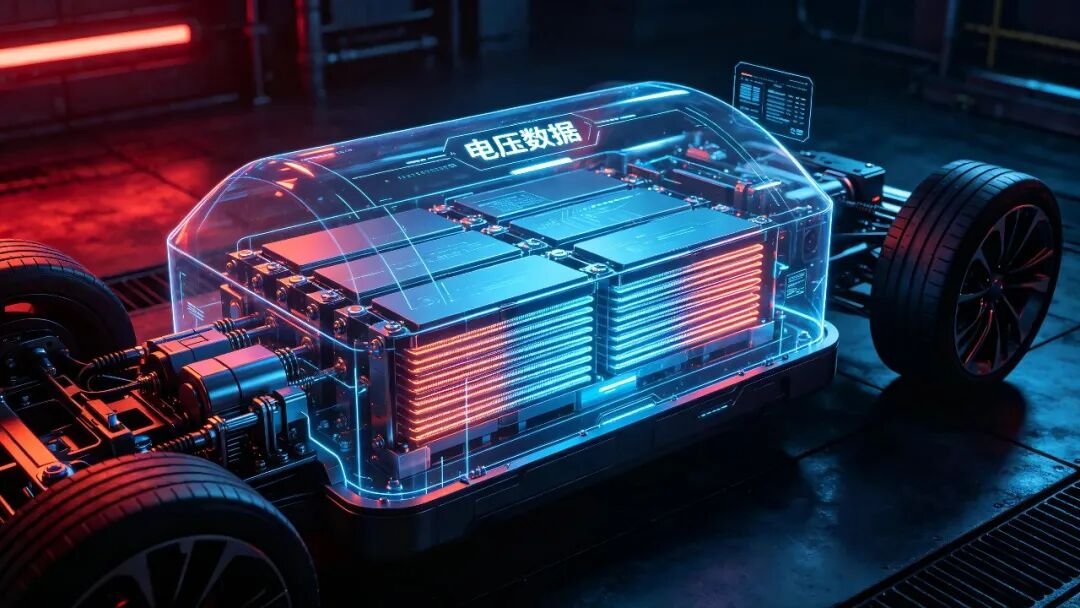
Two technology threads support it. The second-generation Blade Battery launched in March 2026 and went into mass production immediately, with energy density up about 5 per cent and range above 1,000 kilometres. And the Xuanji A3, China’s first 4-nanometre driving chip, supports L3 and L4 autonomy; three of them on one vehicle exceed 2,100 TOPS while cutting power per unit of compute by roughly 20 per cent. Chairman Wang Chuanfu called it as hard to build as a 2-nanometre consumer chip.
The humanoid bet
BYD is not entering robotics as a fashion move. Goldman Sachs expects global humanoid shipments of 51,000 units in 2026 and 76,000 in 2027, up from 15,000 to 20,000 in 2025. BYD argues its existing stack transfers directly: Blade Battery chemistry becomes robot power, servo motors become joint actuators, and battery management, domain control and driving chips become the robot’s intelligence base.
Its vertical integration is the real edge. With dozens of vehicle and battery plants worldwide, BYD has millions of repeated handling, assembly and inspection steps every year, a ready testbed for humanoids, while its dealership network offers a service-robot playground. Few rivals can match that closed loop of build, use and iterate.
The cracks a top-100 label hides
The risks are real. First-quarter net profit fell 55.38 per cent year on year, and per-car profit dropped from 8,500 yuan in 2024 to 4,800. Finance costs swung from negative 1.91 billion to positive 2.1 billion yuan, and inventory reached 160.4 billion yuan. Domestic sales in the first half still fell nearly 40 per cent, with the 100,000 to 200,000 yuan mass market squeezed by Xpeng and Leapmotor.
Research spending hit 11.34 billion yuan in the first quarter, 2.8 times net profit, and the second-generation Blade Battery’s slow capacity ramp has delayed some orders. Overseas, the European Union’s anti-subsidy investigation, US legislation and rising tariffs all cast shadows, while receivables grew 19.5 per cent to 44.2 billion yuan. The debt ratio, at 70.94 per cent, is down from recent highs near 77 per cent but still elevated.
BYD sits at a crossroads of honour and challenge: a Fortune 100 seat, a global sales crown and a new driving chip on one side; squeezed margins, fiercer competition and overseas shoals on the other. It has shown China can stand on the global stage. Whether it can keep evolving there is the question the next decade will answer.
Editor’s note: translated and adapted for RobotBelt from OFweek Robotics. Read the original report here.