Aishida, once spoken of in the same breath as Supor as a defining Chinese cookware brand, is at an awkward crossroads. Its legacy cookware business is fading, while a robotics bet it has held for a decade has yet to pay back.
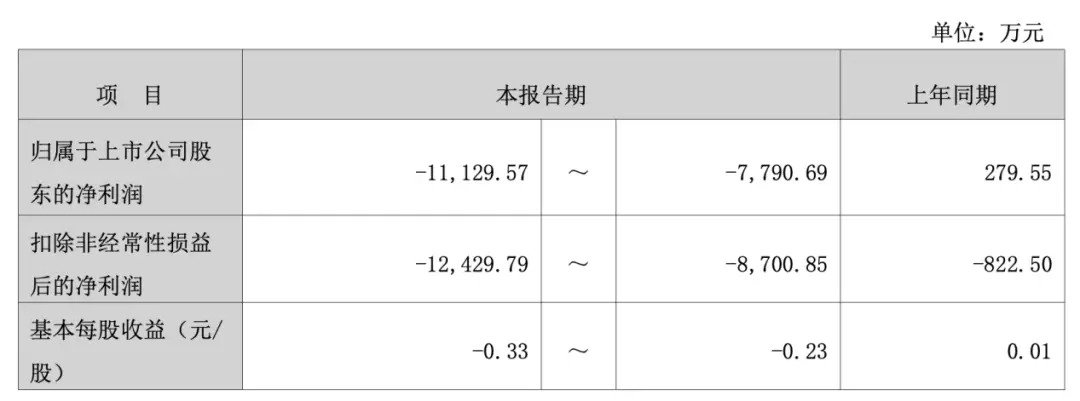
On 14 July 2026 Aishida issued a first-half profit warning: net loss attributable to shareholders of RMB 77.9 million to 111 million, swinging from profit to loss. Ex-one-off net loss is guided at RMB 87.1 million to 124 million, more than ten times the RMB 8.225 million loss a year earlier.

Six and a half years of losses
The losses are not new. From 2020 to 2025, Aishida’s ex-one-off net profit was negative every year, at RMB 184 million, 132 million, 98.75 million, 401 million, 34.73 million and 239 million, a cumulative hole above RMB 1 billion. Three pressures landed together in the first half: export weakness, rising costs, and a concentration of impairment charges.
Overseas sales, still 40.92 per cent of revenue, fell about 15 per cent as foreign offline consumption stayed soft and a stronger yuan added exchange losses. Raw-material costs for aluminium and stainless steel rose 3 to 4 per cent. Selling expenses reached RMB 544 million in 2025, up 11.39 per cent, and RMB 144 million in the 2026 first quarter, up 18.28 per cent.
The robotics story that has not landed
Aishida bought a 51 per cent stake in Qianjiang Robot in 2016 and lifted it to 97 per cent by 2025. In July 2026 it signed a strategic pact with AgiBot to handle assembly, quality control and batch delivery of embodied-intelligence robots. It calls robotics its “second growth curve”, targeting core components, complete machines, integration and service.
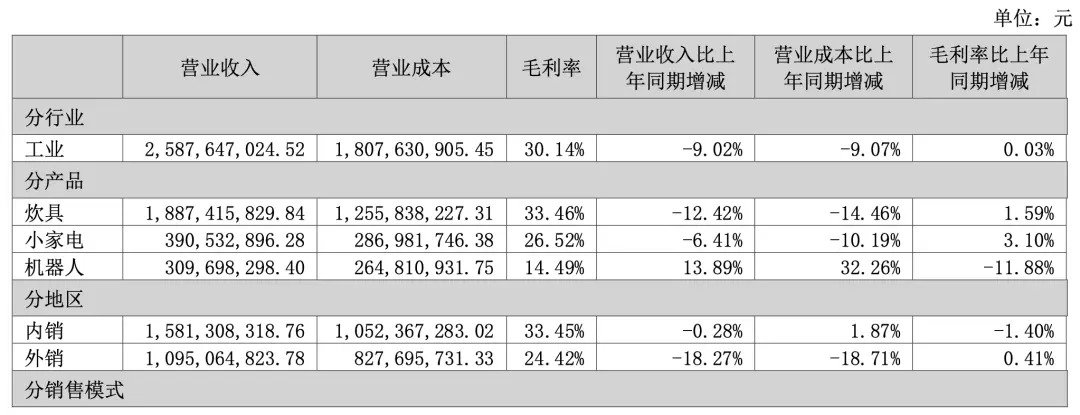
The results tell a harder truth. In 2025 the robotics segment earned just RMB 310 million, up 13.89 per cent but only 11.57 per cent of total revenue, and its gross margin fell from 26.37 per cent to 14.49 per cent. Qianjiang Robot itself lost RMB 56.559 million, 66.375 million, 41.527 million and 74.486 million from 2022 to 2025, about RMB 239 million cumulative. Aishida conceded in May that the humanoid business is still in investment mode and will not materially help 2026 results.
The balance-sheet squeeze
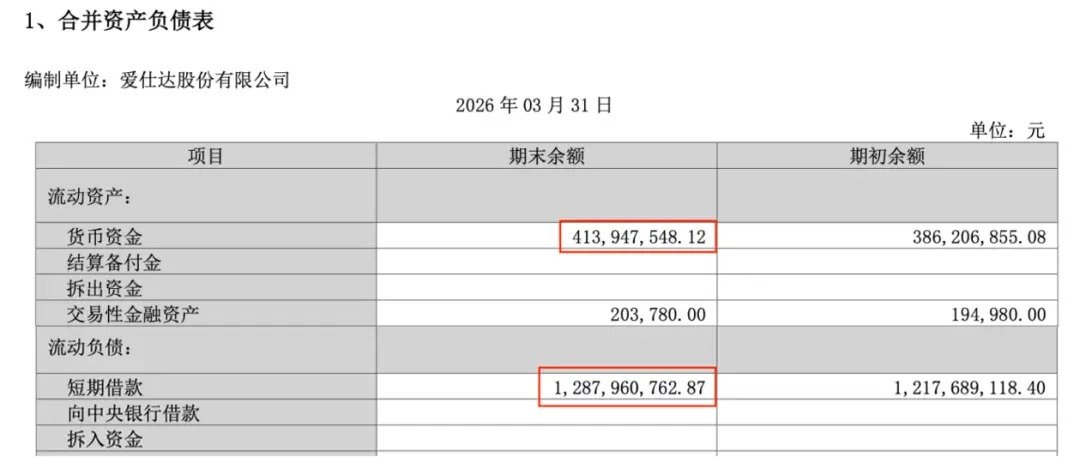
Cash on hand was only RMB 386 million at end-2025 against RMB 1.218 billion of short-term borrowings; by the 2026 first quarter cash had risen to RMB 414 million but short-term debt to RMB 1.288 billion. The debt-to-asset ratio hit 70.12 per cent. Aishida wants to push online sales to 70 per cent of the channel in three years, lift R&D, and build a Vietnam plant with up to RMB 150 million, all while bleeding cash.
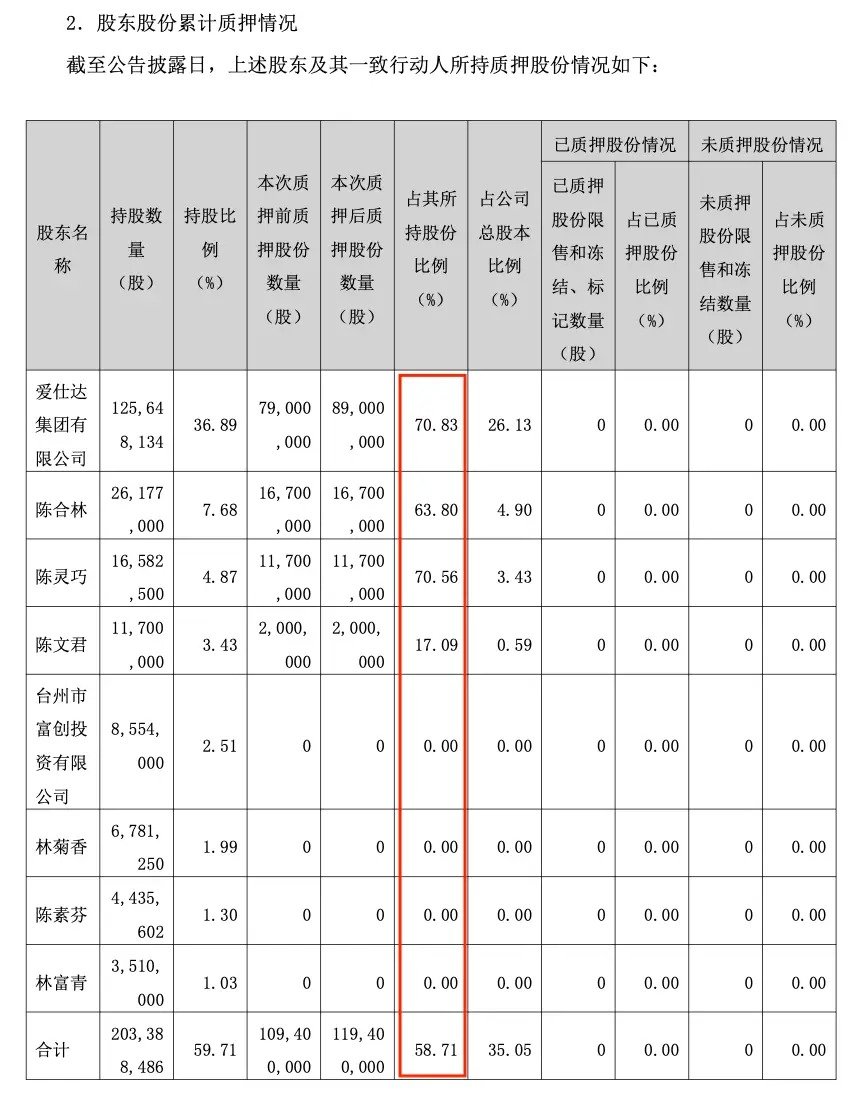
In August 2026 the controlling shareholder pledged 10 million shares to a bank, bringing total pledges to 89 million shares, 70.83 per cent of its holding and 26.13 per cent of total equity. The founder’s pledge ratio is 63.80 per cent; his daughter’s is 70.56 per cent. When the family has pledged more than six tenths of its stake, the question is whether there is enough capital left to fund a robotics curve that has burned for a decade.
Editor’s note: This is an adapted translation of the original OFweek report. It has been trimmed and restructured for readability for an international business audience.