China’s long-awaited mandatory national standard for L3 and L4 autonomous driving has finally got a launch date. The Ministry of Industry and Information Technology has opened the draft compulsory safety standard for autonomous driving systems to public comment.
The standard replaces a voluntary guideline and, for the first time, sets a legally binding floor for L3 and L4. Companies must comply, and products that fail cannot be produced or sold. It is scheduled to take effect on 1 July 2027. With the rule in place and city licences rolling out, the industry shifts from racing features to proving safety, stability and the ability to iterate over a full product life.
Algorithm, data and compute hit an inflection point
Autonomous driving is at the hinge between L3 and L4. The three pillars, algorithm, data and compute, are all changing. Rule-based code is giving way to AI-native approaches: end-to-end models, world models, vision-language-action models and reinforcement learning. Models now read the world and reason about physics instead of following hand-written rules.
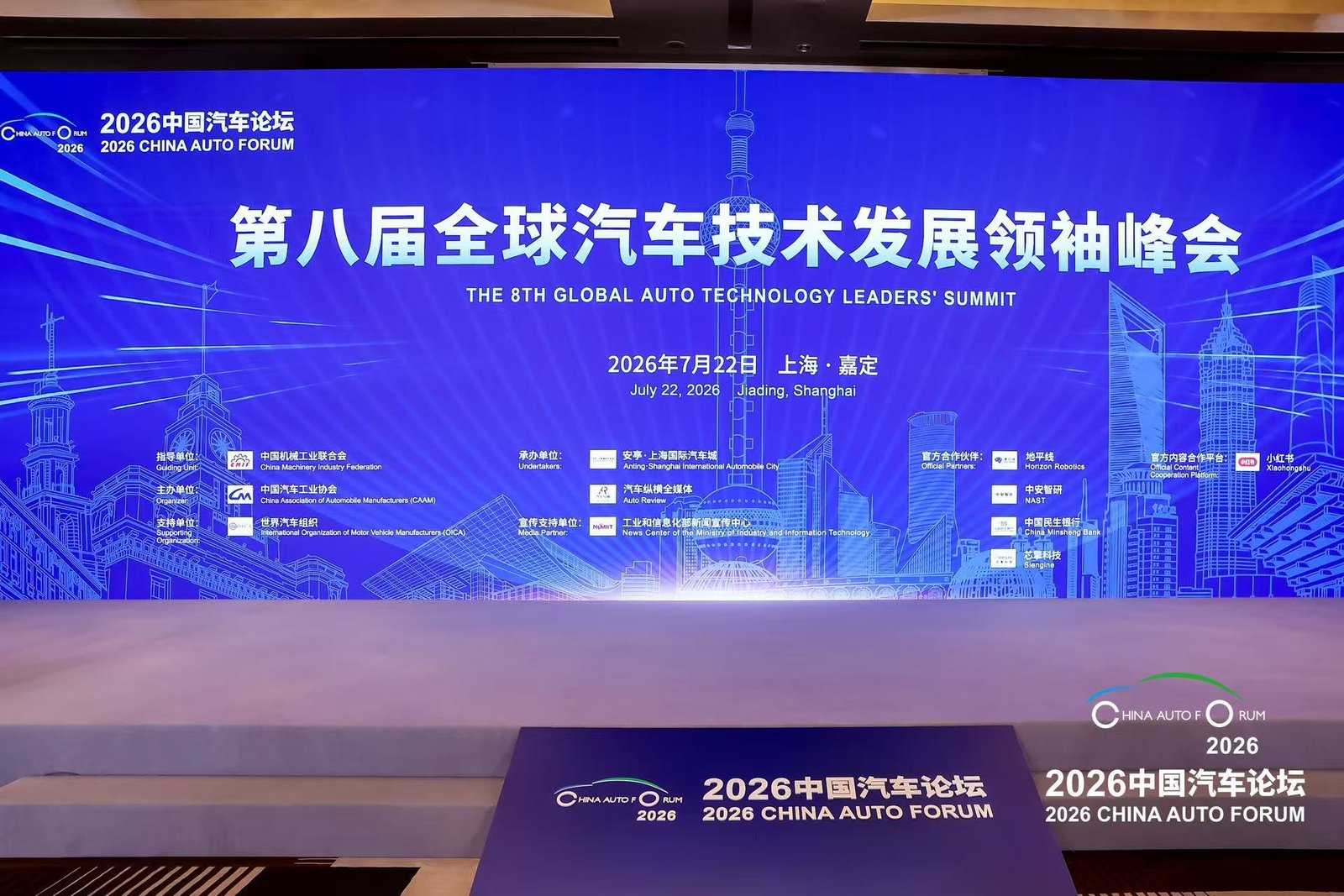
That shift drives compute demand up exponentially. Desay SV senior engineer Peng Xueming, speaking at the 2026 China Auto Forum, argues that algorithm, data and compute are ‘simultaneously approaching the inflection point of a new cycle’. XPeng chief He Xiaopeng predicts L4 or even L5 within three to five years. Horizon founder Yu Kai gives a tighter cadence: hands-off driving in 2028, eyes-closed L4 in 2030, and sleep-driving by 2035.
2,000 TOPS is the L3 entry ticket, L4 needs more than 6,000
So what does L3 actually require. Peng is clear: 2,000 TOPS is the starting line for an AI-native L3 system. L4 is far heavier. It carries more responsibility, faces messier roads and more complex scenes, so its compute climbs again. Peng’s view is that an L4 vehicle brain must evolve toward more than 6,000 TOPS across the whole domain.
One big brain is better than a big and small pair
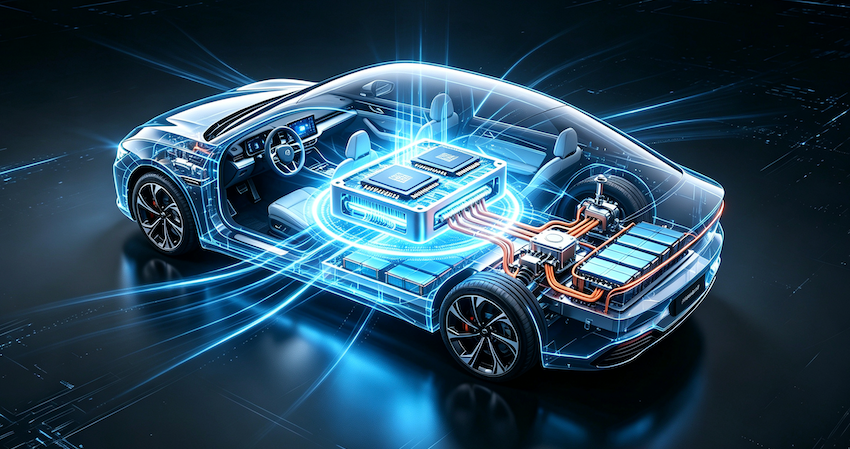
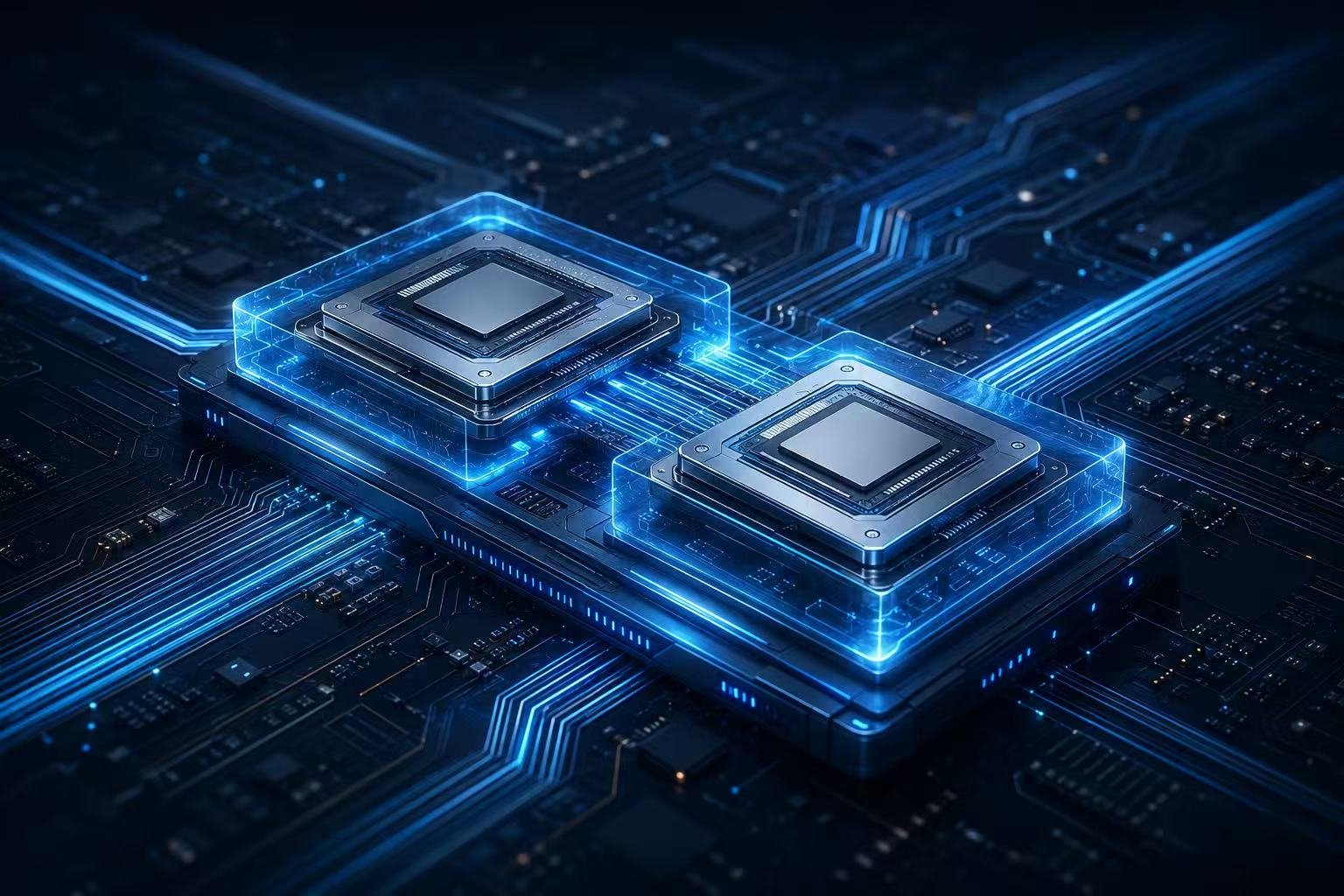
No single chip delivers that today. Moving toward L3, the industry adopted a ‘big brain and small brain’ layout: two chips of different compute, each running its own software, with the smaller one as safety backup. But for L4, a big and small pair is not enough. Desay SV’s answer is a ‘big big brain’: two large compute chips sharing one software stack, separated only by hardware partitions for fault isolation.
The advantage shows over time. The big big brain meets L3 redundancy needs and scales smoothly to L4 without a platform rebuild. The big and small pair, by contrast, likely needs a full re-architecture to reach L4, with new algorithms, tools and validation. A unified high-compute central brain looks like the better long-term bet.
This is not a short-term cost game
Over a long horizon, the two L3 paths differ like a mortgage versus rent. The big and small route has a low entry cost but recurring bills. The big big brain costs more upfront and then stops charging for architecture upgrades. Either way, safety and reliable iteration are non-negotiable, and both need a compute foundation solid enough to carry them.
Editor’s note: This is an adapted translation of the original CheDongXi report. It has been trimmed and restructured for readability for an international business audience.