Half a century ago Japan defined the humanoid robot. Half a century later Japan is taking Chinese humanoids apart, hunting for a route back.
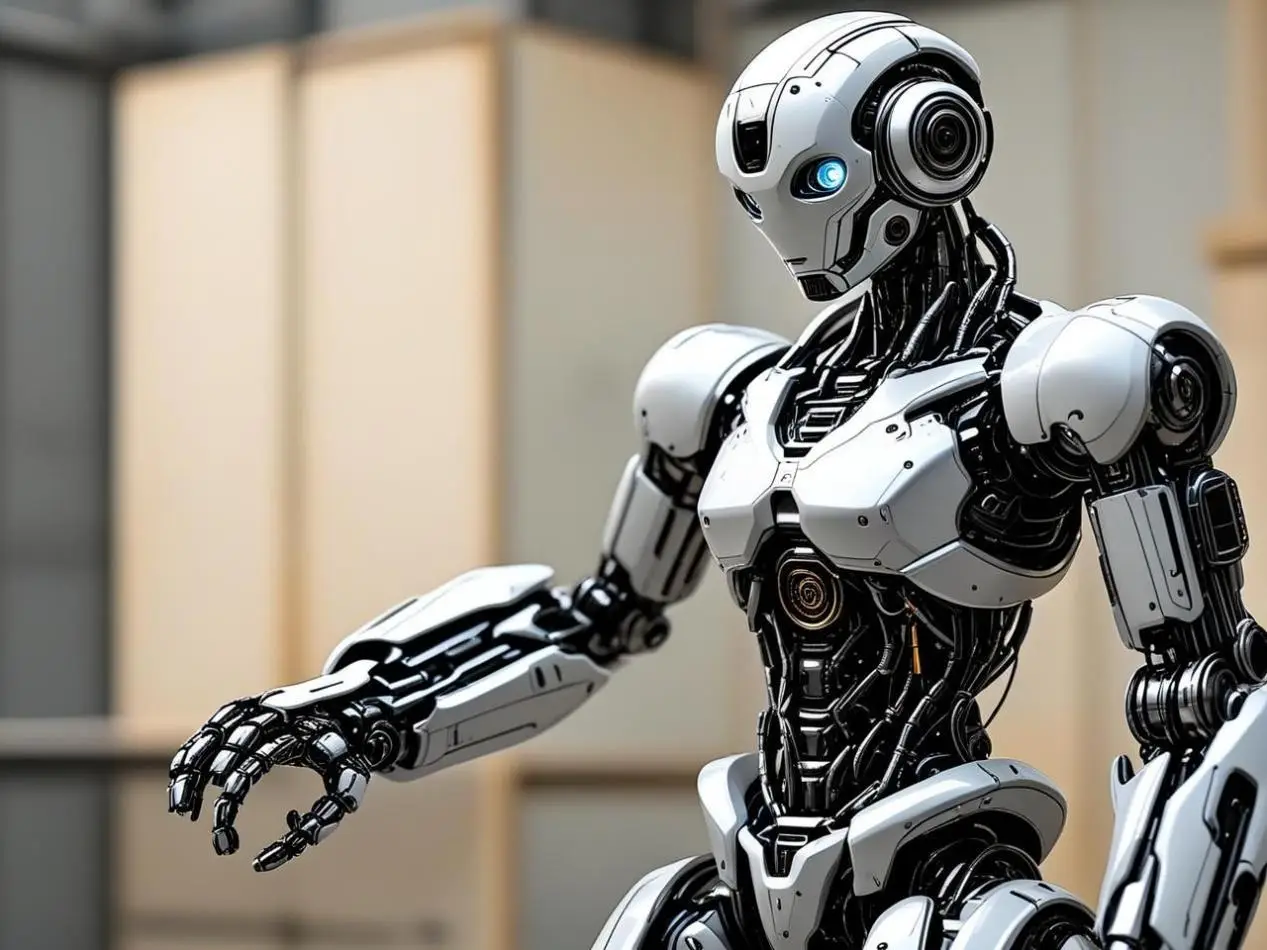
Nikkei xTECH recently posted video of Japanese engineers stripping a Unitree G1 from head to toe, concluding plainly that China’s R&D has moved past the “demo only” stage. This year Japan has moved fast: Noetra, backed by over 380 billion yen in first-year government money and 44 firms including SoftBank, Honda and Sony, is pooling the country’s AI talent to build foundation models for physical AI and robotics. Japan is also backing wafer fab Rapidus to rebuild advanced-chip capacity. The ambition is loud.
No stage to perform on
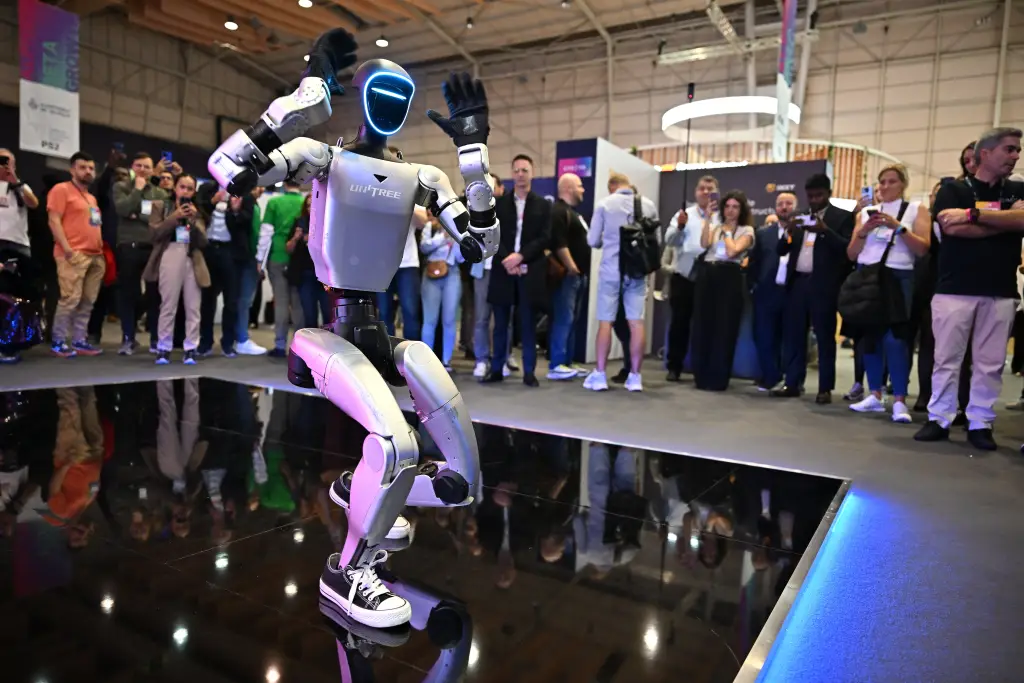
The logic of the industry has flipped. Product first, data grows the model, the model upgrades the product. China found the first commercial opening through a Spring Festival Gala traffic spike and then built an entertainment-and-performance scene that turns robots into a real business. In 2025 Chinese humanoid demand was led by entertainment and performance at 36.8 per cent, then research and education at 24.6 per cent, data collection 17.0 per cent, guiding 10.9 per cent and industrial 9.2 per cent.
By April 2026 China had at least 90 humanoid data-collection and training centres in use or planned. UBTECH alone signed at least six big data-centre contracts in three months last year, closing a clean loop: robot firms sell machines to centres, centres train and label data, then the firms buy the data back.

Japan has no such loop. Its humanoid industry, after production halts and sell-offs, has been sent to the cold storage, with government support sharply reduced. No market means no data, and without data the machines are expensive toys.
Will the otaku buy?
UBTECH’s super-bionic U1, priced from 119,800 to 990,000 yuan, drew more than 13,000 orders and opened a consumer companion front beyond industry. Japan started earlier on androids: ERICA, the “world’s most beautiful robot” from Hiroshi Ishiguro, was research-only and never for sale despite viral claims of “sold out in Japan”. A custom intelligent robot there typically costs above 10 million yen, about 630,000 yuan.
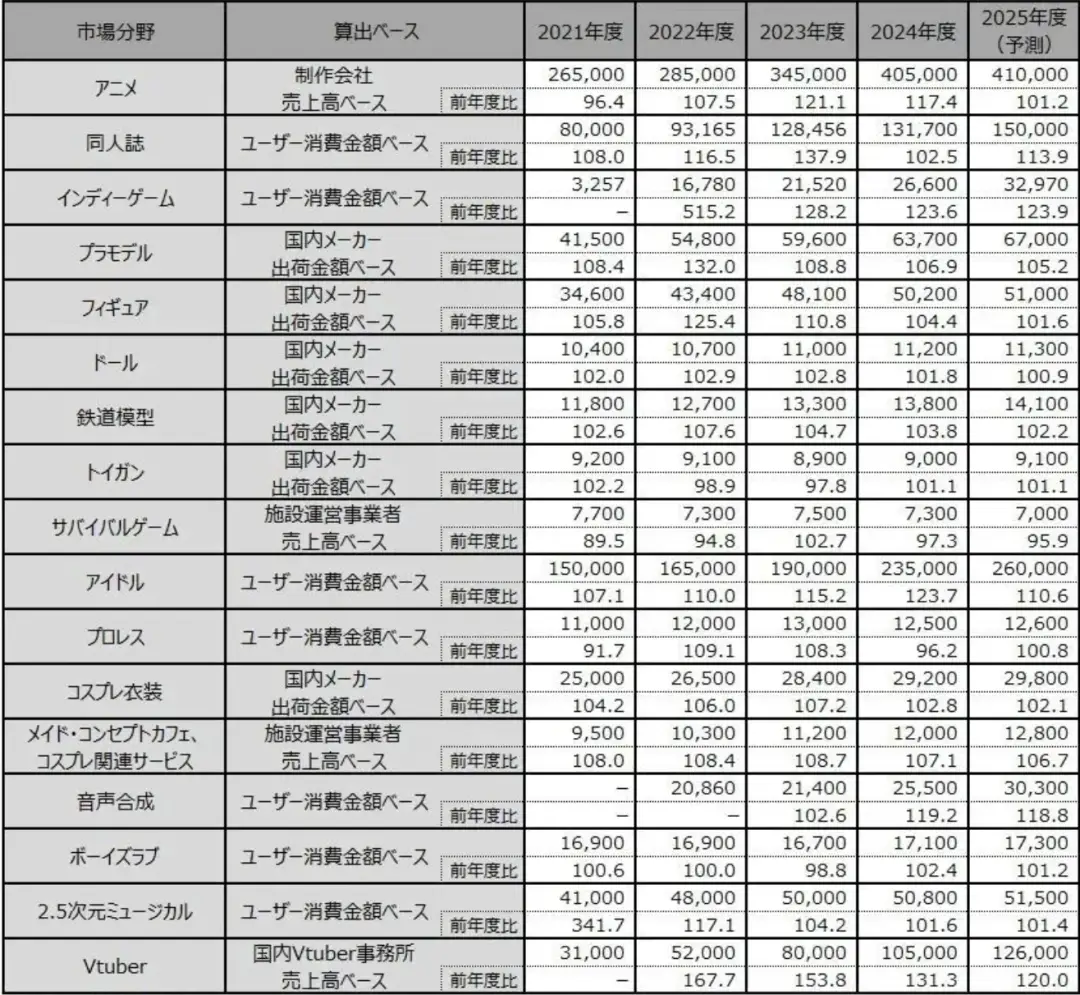
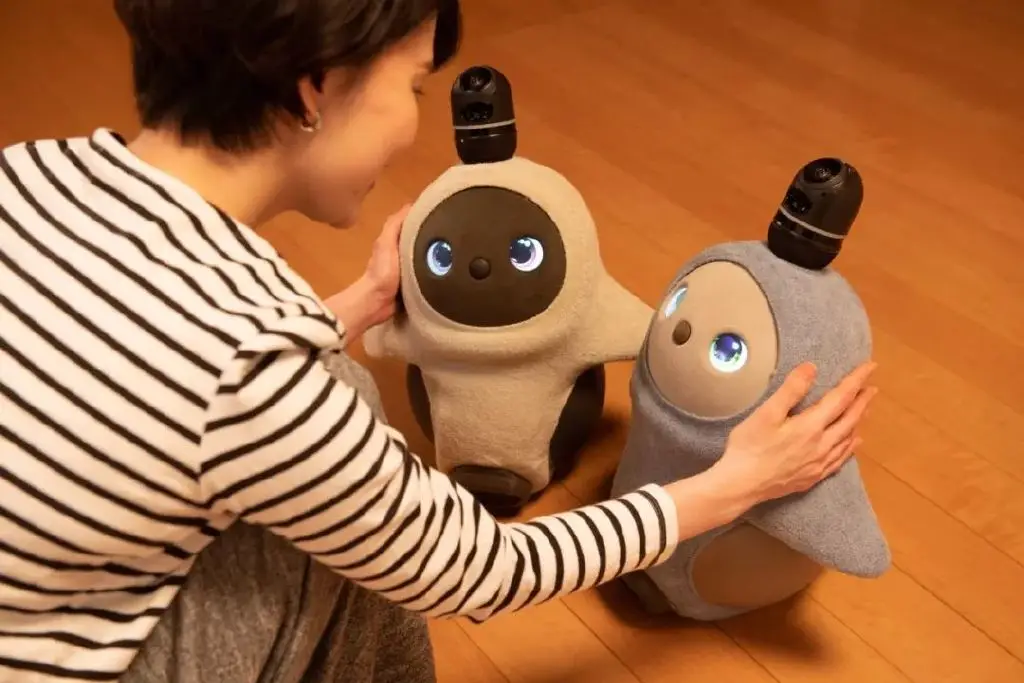
Yet demand may not arrive even at lower prices. Japan’s otaku already spend on anime, doujin, idols and VTubers; a Yano Research report puts those 17 core fields at 1,292.77 billion yen, about 57 billion yuan, in fiscal 2025, up 7.23 per cent, with the idol economy alone at 235 billion yen, up 23.7 per cent. Lonely young and old Japanese are more likely to cuddle a fluffy robot: Lovot sold over 15,000 units at 498,800 yen, and Ropet nears 20,000 units, mostly in Japan and the US.
Not necessarily wrong, just far behind
Unitree’s 1.7 billion yuan revenue and 60 per cent gross margin show a commercial path, but even it sells mostly to universities and labs, not factories. The deeper question holds for both China and the US: with AI models, does the machine even need to be human-shaped? Japan is not chasing generalisation. Kawasaki’s Kaleido enters disaster sites to clear rubble and carry casualties; Waseda’s AIREC aids turning and folding for an ageing society. Scenario-specific, not general.
Japan may have chosen a different, not wrong, route. But it is chasing not a product but an entire AI-rooted era. The real win or loss still lies ahead.
Editor’s note: This is an adapted translation of the original OFweek report. It has been trimmed and restructured for readability for an international business audience.