Three Hong Kong filings, cash under 50 million yuan and cumulative losses above 400 million yuan. Standard Robots’ path to an IPO has been rough.
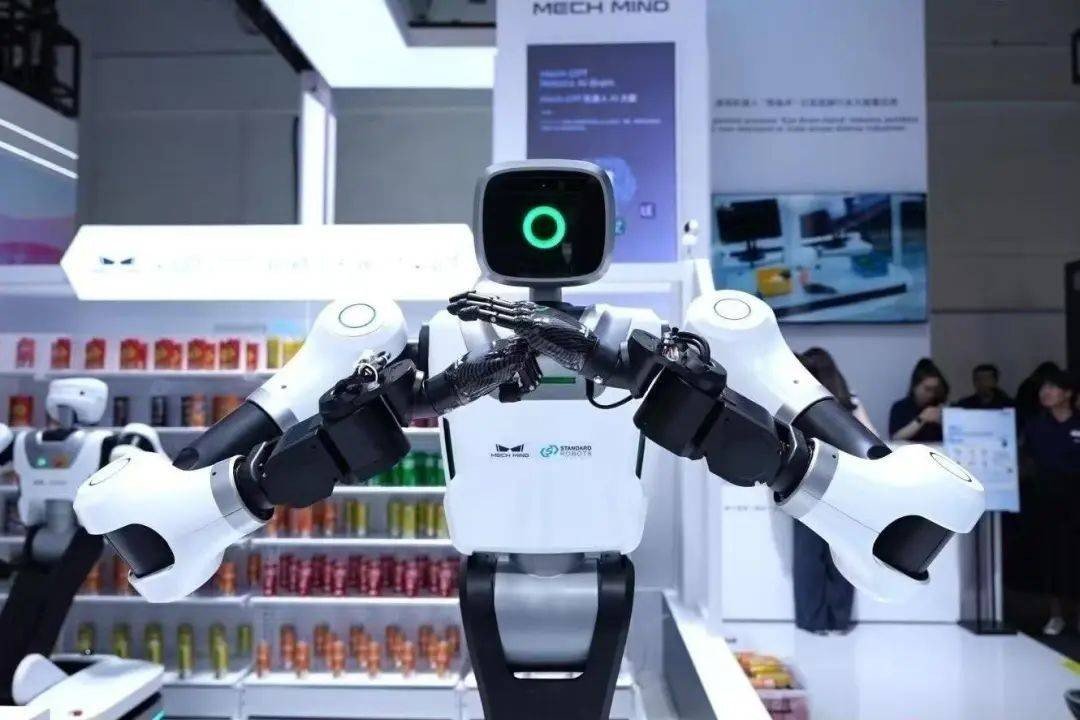
The company first filed with the Hong Kong exchange in June 2025 as an “industrial intelligent mobile robot solution provider” under the 18C specialist-tech track. After two follow-on applications lapsed when hearings were not completed within six months, it refiled on 4 January and again on 27 July 2026. The latest prospectus upgrades the story to “industrial embodied-AI pioneer” riding the smart-manufacturing wave.
The sexy narrative cannot hide the operating reality: weak self-generated cash flow and a persistently tight balance sheet.
Growth that does not reach profit
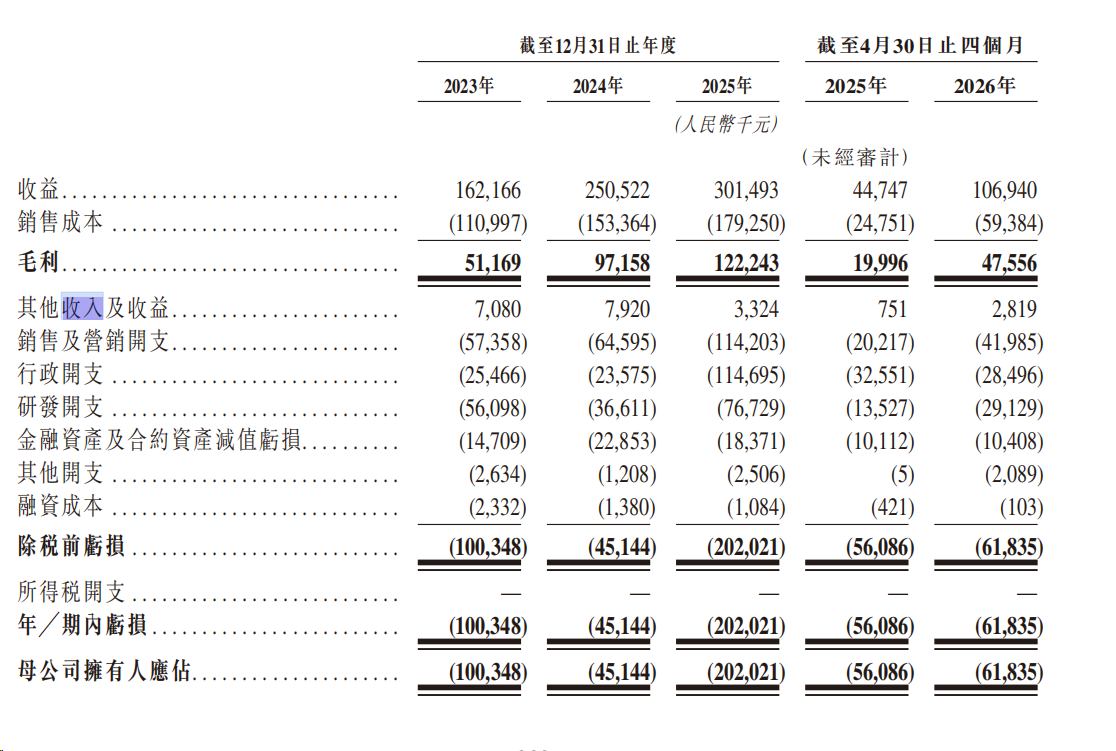
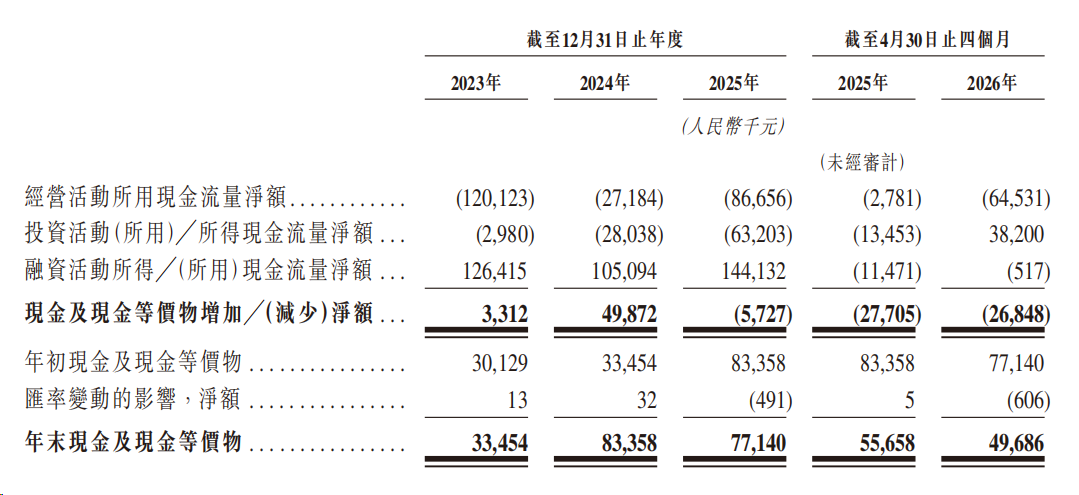
Revenue rose from 162 million yuan in 2023 to 251 million in 2024 and 301 million in 2025, a three-year compound rate of 36.3 per cent. In the first four months of 2026 revenue jumped 139.1 per cent year on year. Yet from 2023 through April 2026 the firm posted cumulative net losses above 400 million yuan, with operating cash flow negative three years running. Cash at end-April 2026 was just 49.69 million yuan.
The 2025 net loss widened nearly 3.5 times. Stripping out 147 million yuan of share-based pay, the adjusted net loss still exceeded 35 million yuan, the core business trapped in a “sell more, lose more” loop. Full-year 2025 gross profit was only 122 million yuan while selling, administrative and R&D costs hit 306 million. Operating cash outflow reached 230 million yuan cumulatively, another 65 million in early 2026.
Trade receivables now take 272.5 days to collect. Growth is propped up by one big customer: the top five clients supplied 68 per cent of early-2026 revenue, the largest over a third.
A fragmented, brutal market
Global industrial AMR solutions were worth about 15.3 billion yuan in 2024 and are forecast to hit 81.4 billion by 2029, a 39.8 per cent compound rate. Yet the top five vendors hold only 35.6 per cent; Standard Robots sat at 2.6 per cent in 2025, fifth globally and fourth in China, a mid-tier player far from the leaders.
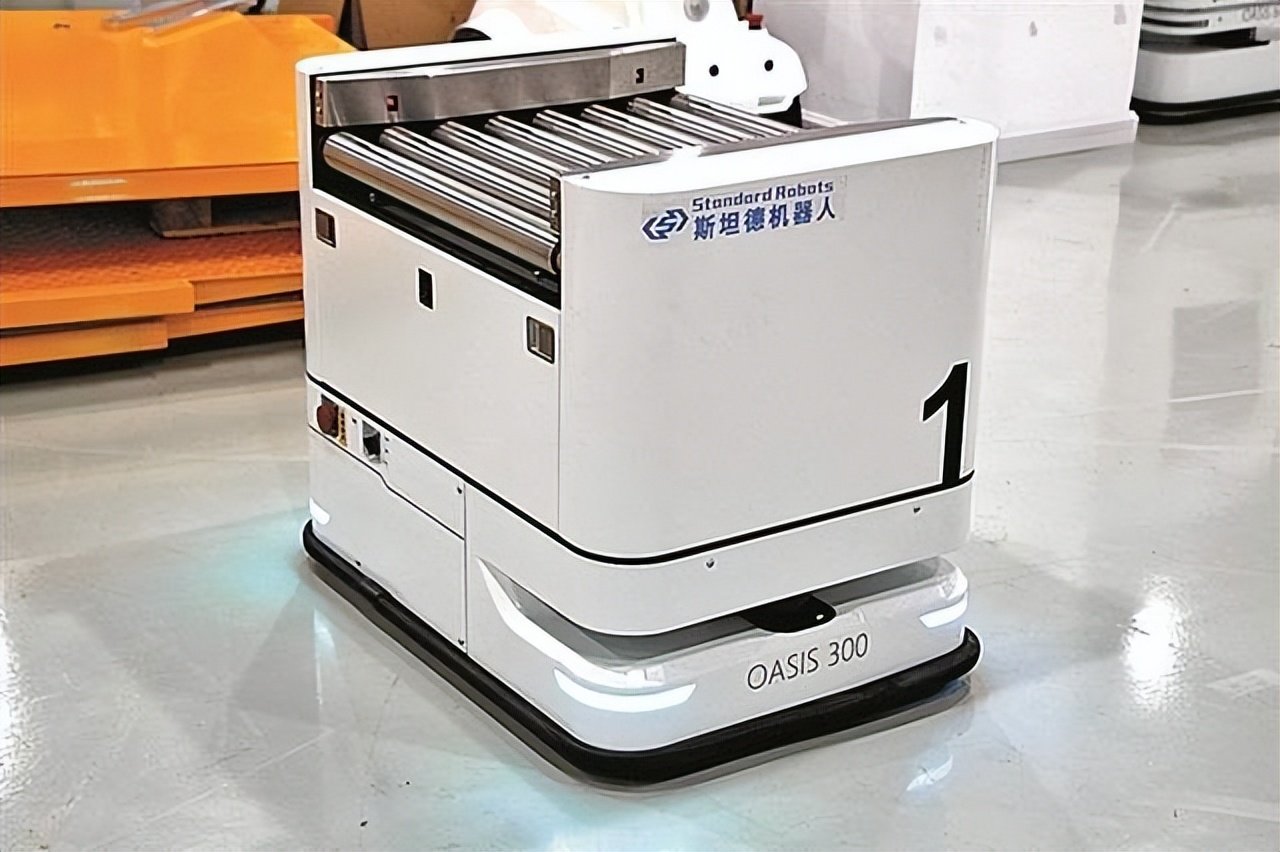
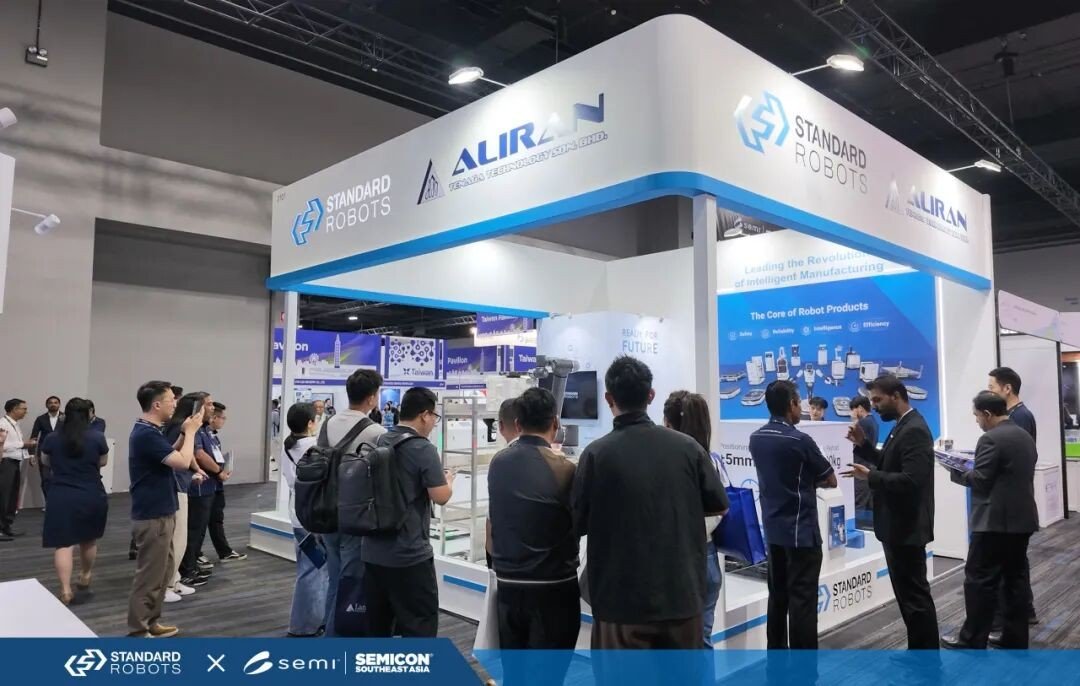
The first tier, above 1 billion yuan in revenue, is Hikrobot, Geek+ and Quicktron, backed by big groups or deep capital with locked-in new-energy and auto orders. Standard Robots sits in the second tier alongside Linking, Bluecore and others, differentiated in a niche but capped in scale. A third long-tail of integrators competes on price and dies first in any shakeout.
What it has going for it
Standard Robots is not without teeth. It was among China’s first to build its own industrial robot OS, with a “1+N+S” stack: self-made core controller, the SROS operating system and navigation algorithms, plus RoboVerse fleet scheduling that coordinates over 2,000 robots in one scene. That lifted gross margin from 12.9 per cent in 2022 to 40.5 per cent in 2025 and let it avoid pure-hardware price wars. It also planted flags in three high-barrier fields, 3C electronics, automotive and semiconductors, ranking top three globally in the first two and fifth in the third.
Capital is fleeing the middle
In the first half of 2026 the global mobile-robot sector closed 35 rounds totalling about 6.498 billion yuan, with 17 at the 100-million level, 48.57 per cent of deals. Money is moving from broad bets to concentrated bets on proven business models, while mid-tier AMR funding has dried up. That is exactly why a mid-tier player is in a hurry to list.
Standard Robots has raised about 747 million yuan across seven rounds. Its valuation swung from a 2.1 billion yuan peak in 2021, down to 1.35 billion in 2023, back to 2.1 billion in 2024, mapping the hard-tech capital cycle from mania to freeze to wary recovery. The 18C chapter requires a minimum market cap of HK$4 billion, about 3.6 billion yuan; at a 2.1 billion yuan valuation it must nearly double to qualify. Peers Quicktron, HAI Robotics and YouiBot are all rushing to Hong Kong too. Everyone is racing the clock before the cash runs out.
Editor’s note: This is an adapted translation of the original OFweek report. It has been trimmed and restructured for readability for an international business audience.