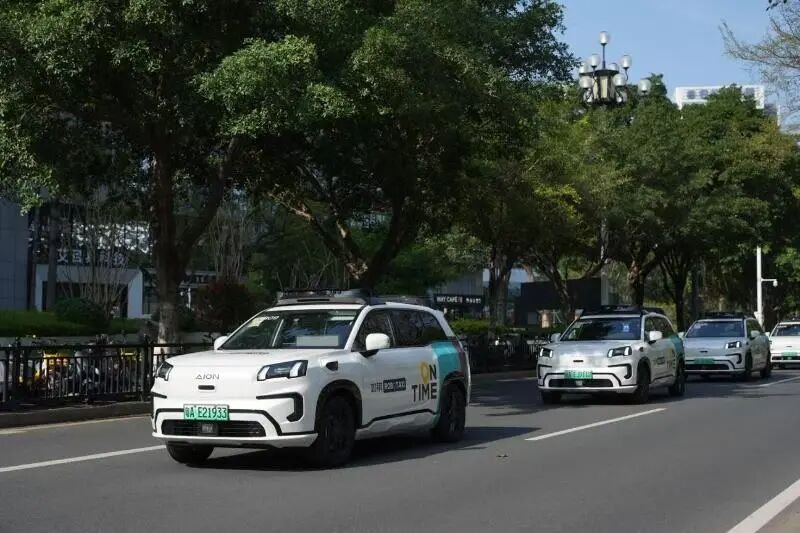
Shenzhen News reported on 12 August that Ruqi’s Robotaxi fleet capacity has been connected to Tencent’s Travel Service WeChat mini-program. In zones including Guangzhou’s Nansha and Science City, users can now hail a Ruqi Robotaxi through the Tencent entry point.
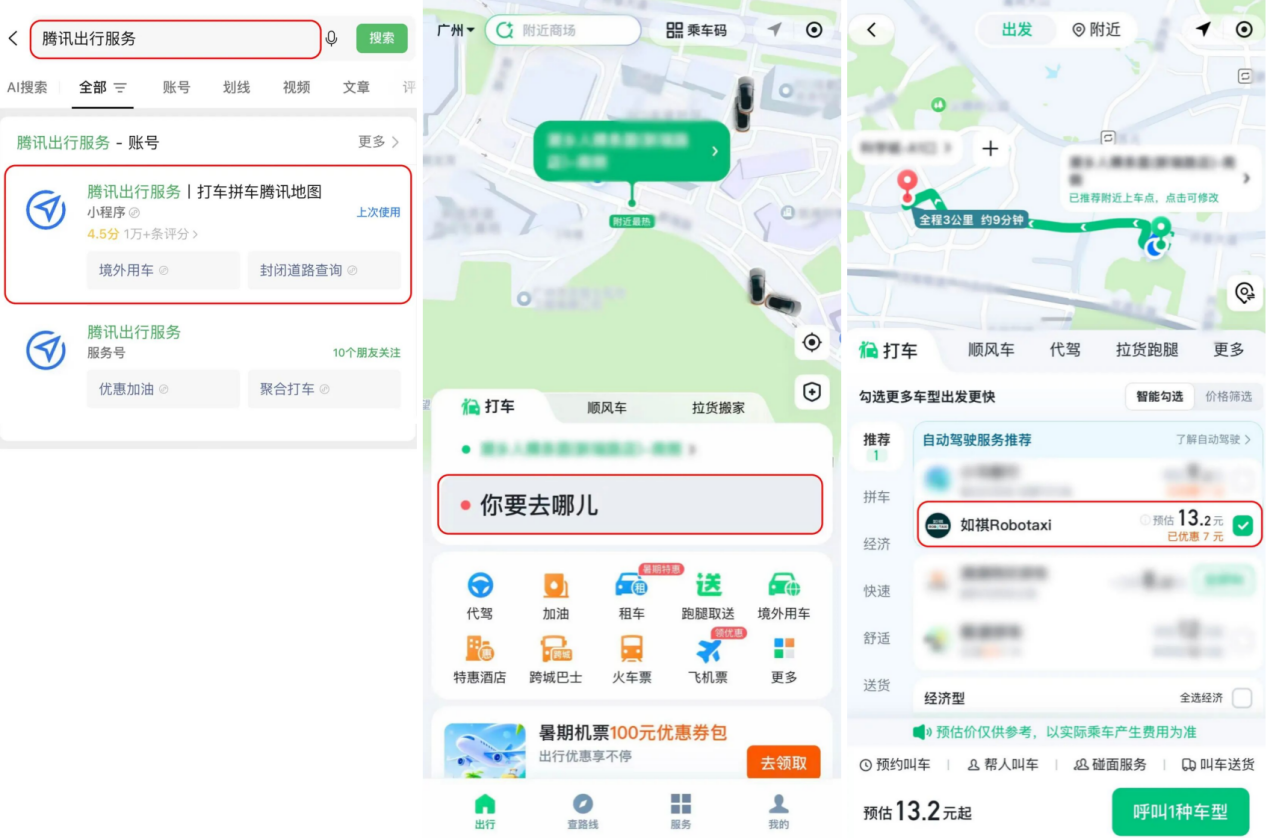
Inside WeChat, users can search for Travel Service or open Me, Services, Travel, then enter a pickup and destination; if the trip falls within coverage, they can select Ruqi Robotaxi and place the order. This is the first time Ruqi has connected to an aggregation ride-hailing platform. Combined with its own app and third-party entries such as Alipay, Ruqi has built an own-plus-third-party matrix that lowers the barrier to trying autonomous rides inside the social and payment scenes people already use.
Ruqi and Tencent have worked together since 2022 across travel service, cloud, map data and security, accelerating the commercialisation of Level 4 autonomy. The Tencent link also extends Ruqi’s Robotaxi-plus strategy, launched in July 2025, which packages solutions for regulators, autonomous-driving companies and ecosystem partners.
In March 2026, Pony.ai’s new-generation Robotaxi joined the Ruqi fleet. In April, Ruqi partnered with Black Sesame Technologies on a production-grade Robotaxi. It has since added both Alipay and Tencent Travel. By the end of 2025 Ruqi operated more than 300 Robotaxis across Guangzhou, Shenzhen and the Guangdong-Macao cooperation zone in Hengqin, becoming the Greater Bay Area’s home-grown autonomous ride.
The plan is to expand over the next five years to 100 core cities and build a fleet above 10,000 vehicles with partners, backed by a billion-yuan-class investment in a three-tier maintenance network across 100 cities supporting as many as 100,000 Robotaxis a year in offline upkeep.
Editor’s note: This is an adapted translation of the original Shenzhen News report. It has been trimmed and restructured for readability for an international business audience.