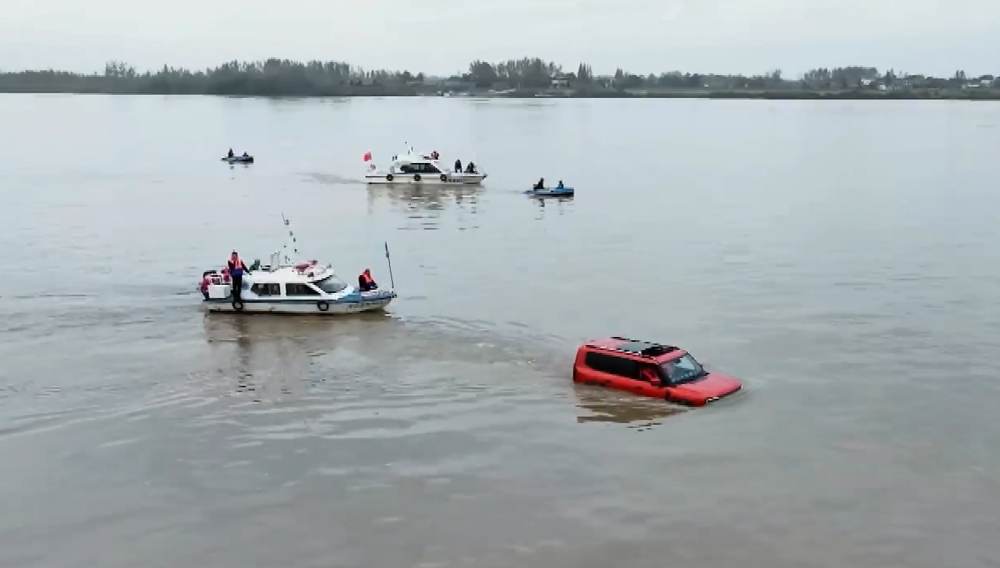
When typhoon White Dolphin landed in early August, cities from Shanghai to Beijing flooded and thousands of cars sat submerged. The annual question returned: can a car actually ford standing water? For petrol cars the answer is fixed by the air-intake height. For electric cars, the answer has quietly moved.
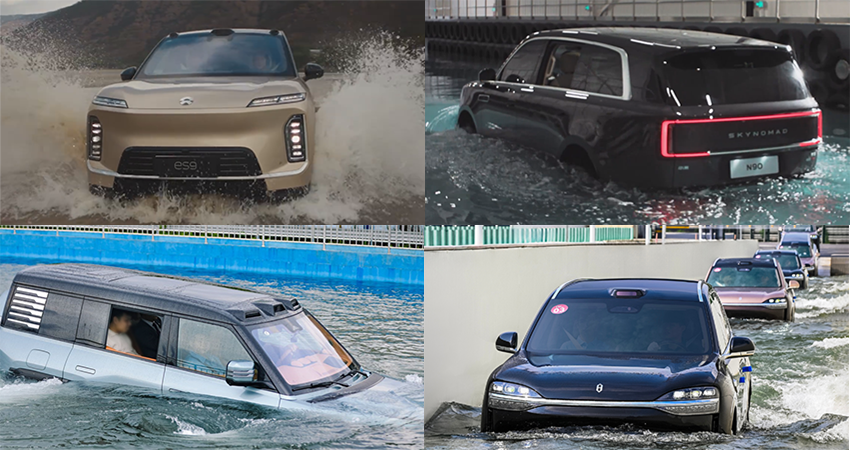
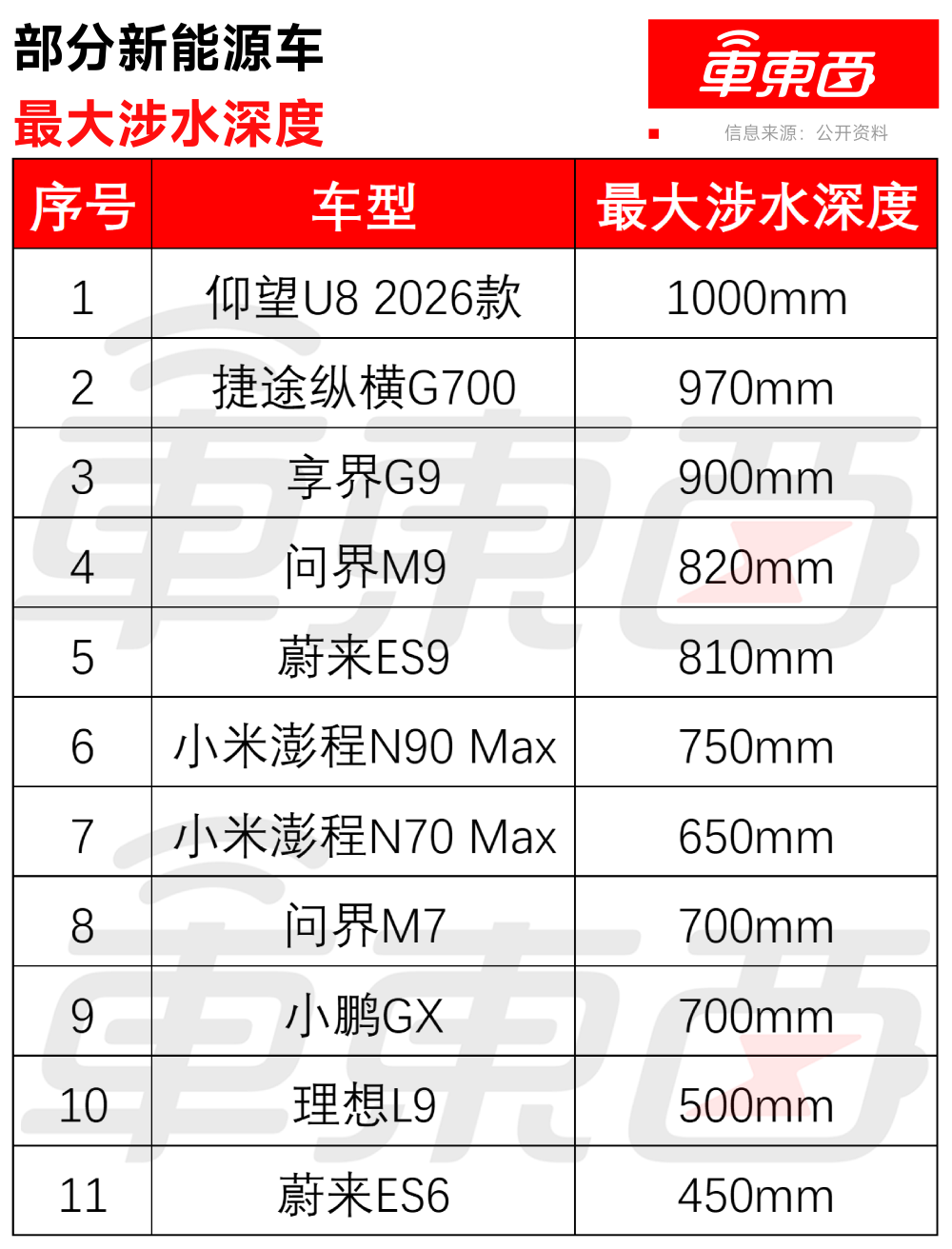
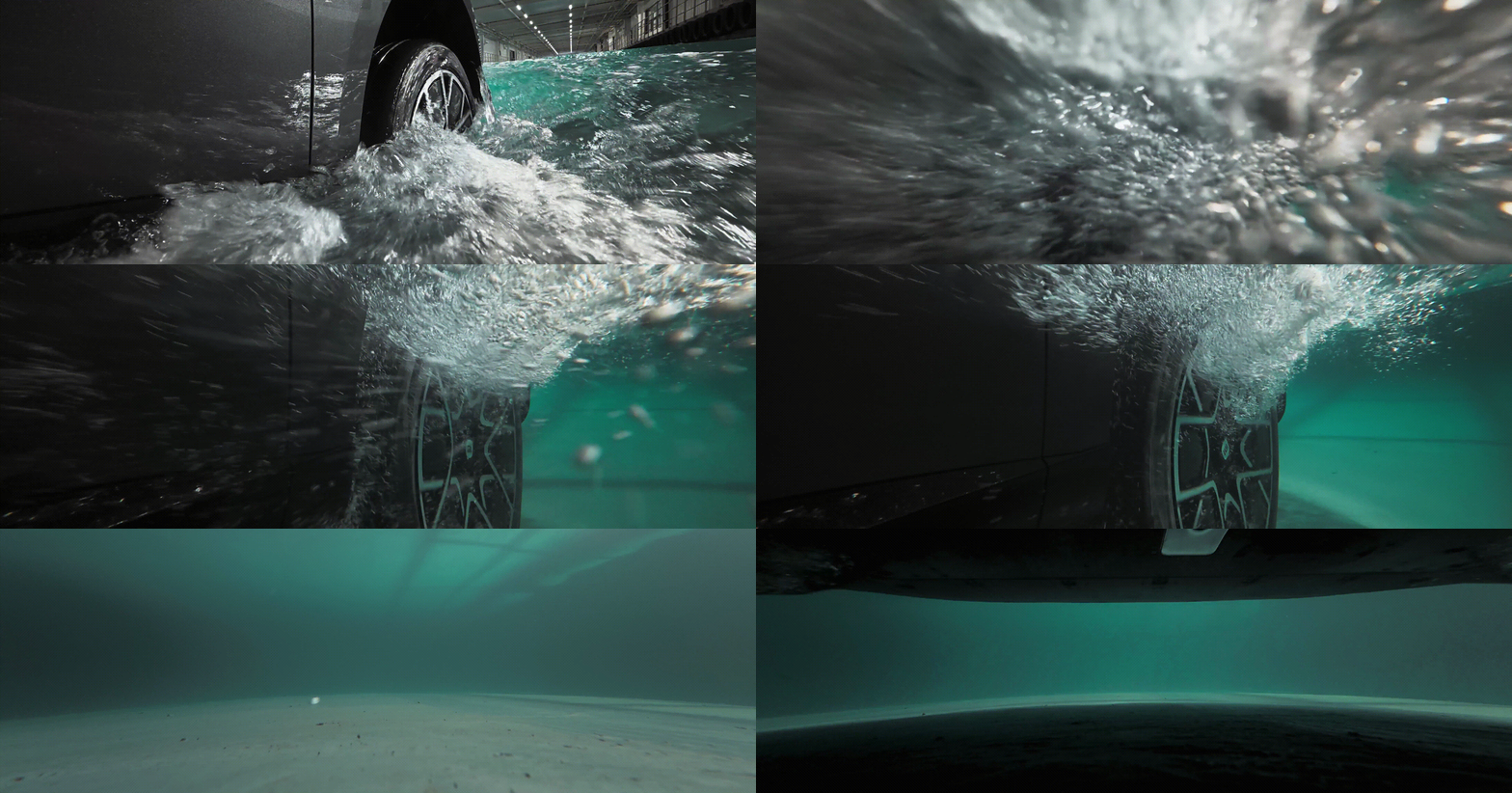
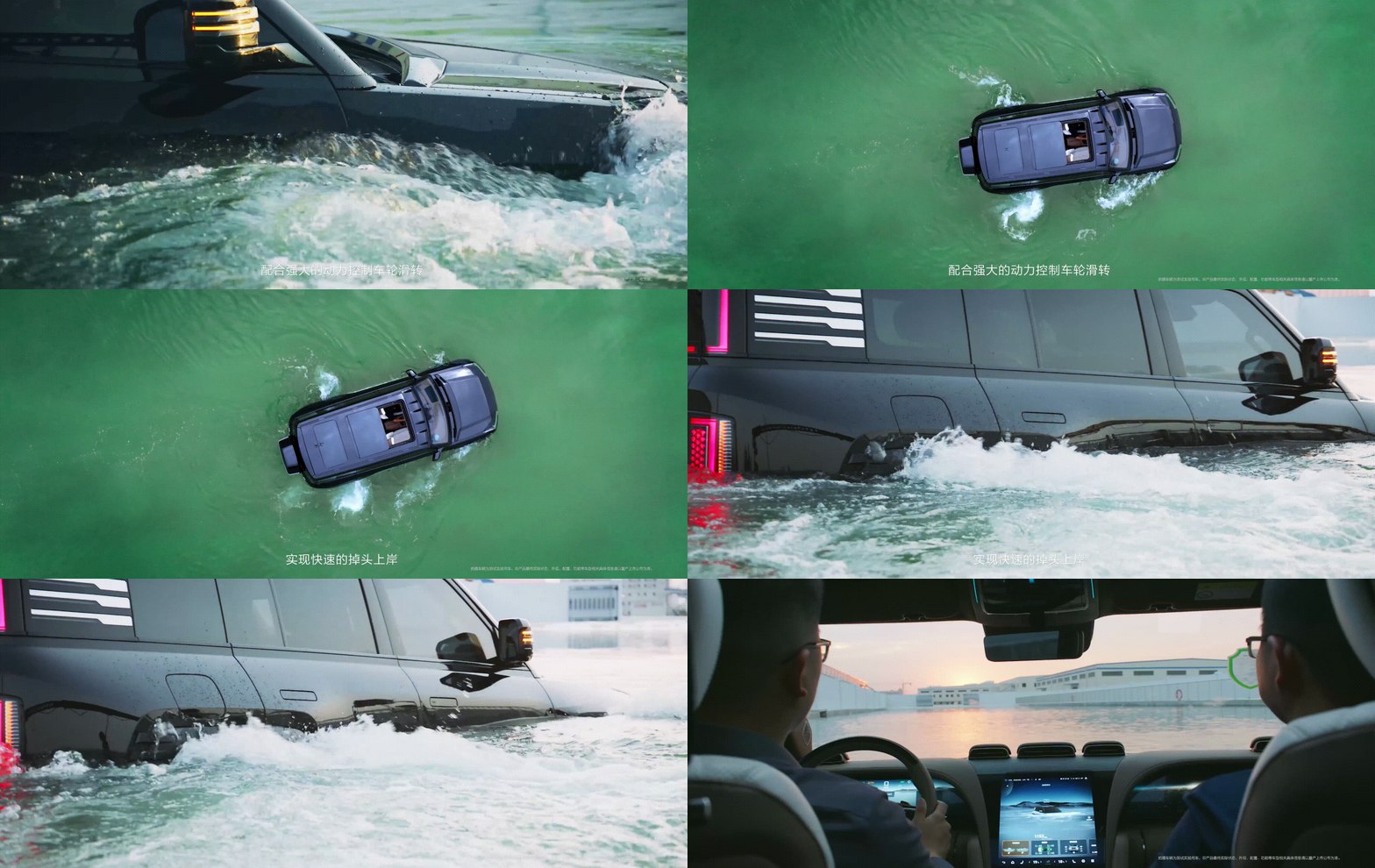
Lei Jun posted that drivers should mind wading ability in heavy rain, and showed the Pengcheng N90 Max clearing 750 mm with a battery rated IPX8 and IPX9K. The law now agrees it matters. From 1 July 2026 the Electric Vehicle Safety Requirements standard (GB18384-2025) lifted the wading test from 100 mm to 150 mm. Real cars go far past that: the NIO ES9 reaches 810 mm, the Huawei-backed Xiangjie G9 hits 900 mm, and the floating-capable Yangwang U8 and Jetour G700 sit near 1,000 mm.
Sealing is the core
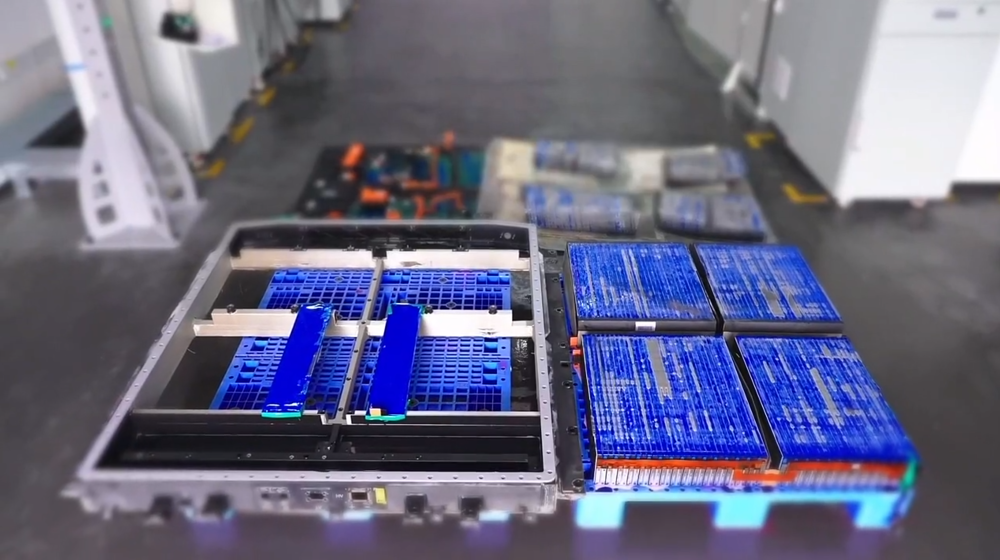
An EV’s heart is the battery pack, and that is the part most afraid of water. Mainstream packs use cast aluminium housings with multi-layer seals and breathable valves, and most reach IPX8, meaning a 48-hour soak at one metre, with IPX9K adding high-pressure hot spray. Motors get magnetic-fluid seals that block water at the spinning shaft. High-voltage connectors carry water sensors that tell the battery manager to cut power on intrusion.
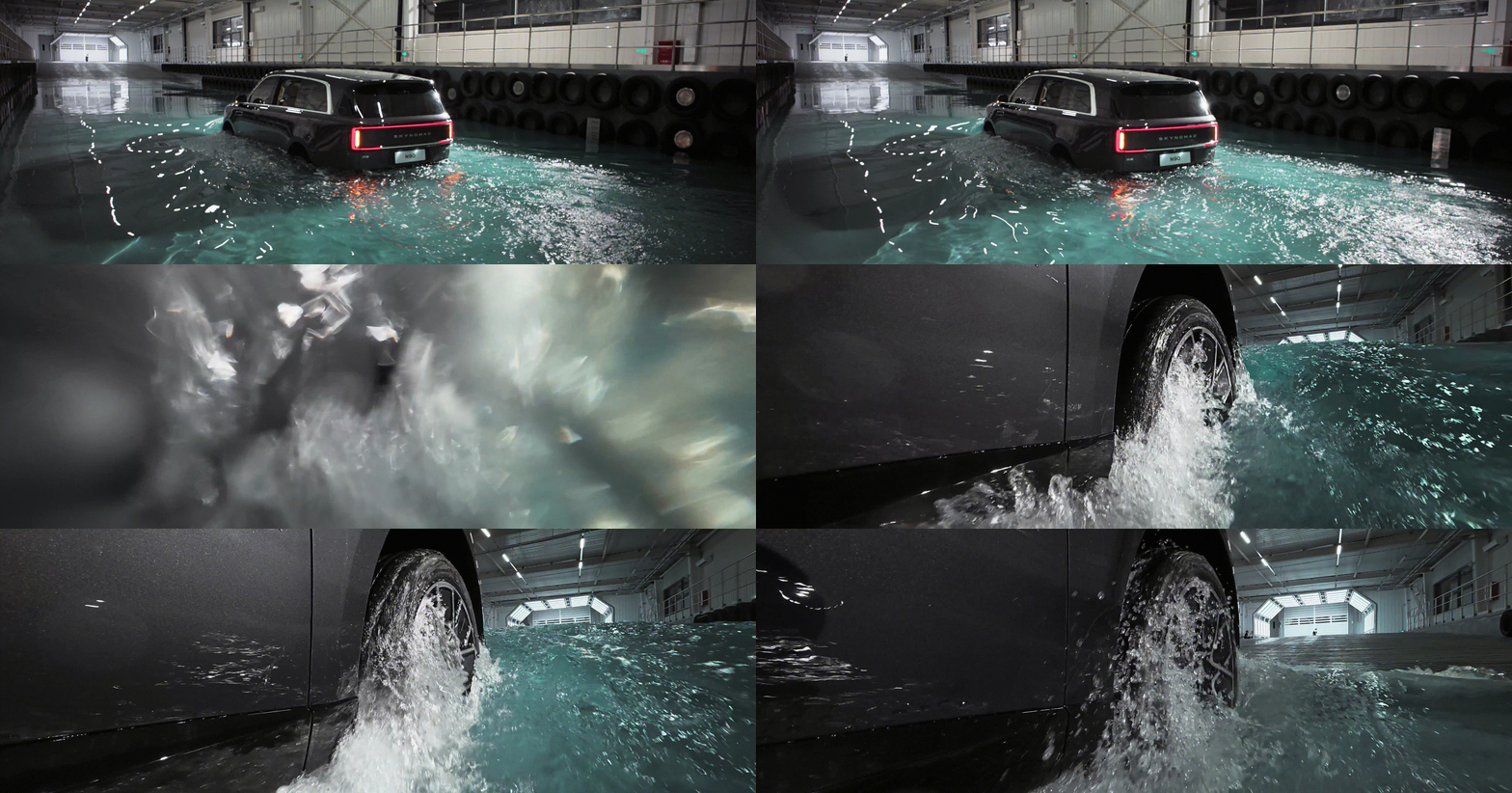
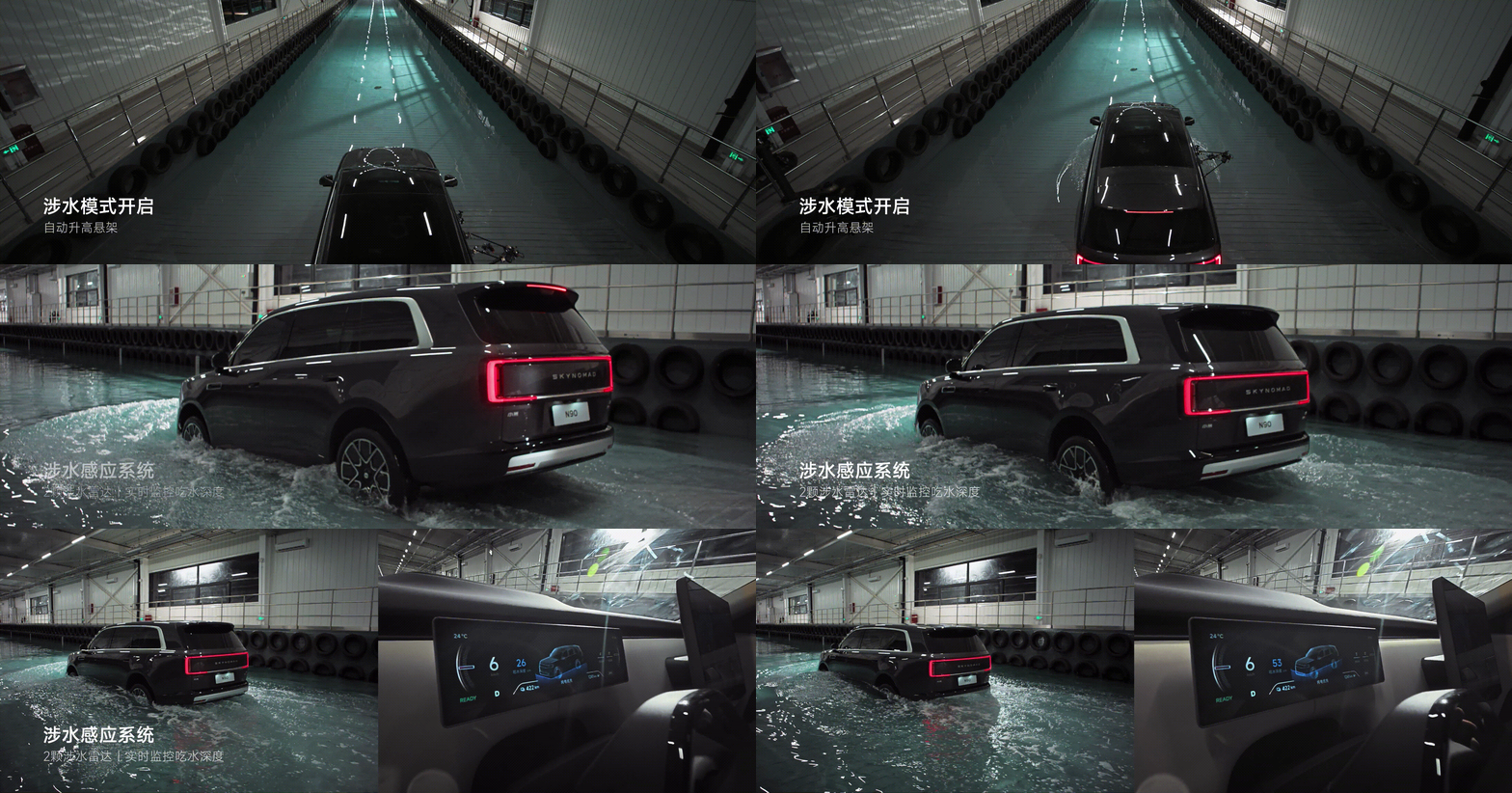
Sealing alone is passive defence. The deeper design is systemic. The Pengcheng N90 Max, a range-extender, raises its engine air intake to 1,109 mm off the ground and moves the cabin relief valve to 950 mm, 250 mm higher than usual. In wading mode the air suspension lifts to maximum, the climate goes to internal recirculation, windows crack for breathing, and the screen shows live depth from sensors. Xiaomi reworked 27 waterproof plugs and double-sealed the pillars with two layers of EVA foam to slow cabin flooding and buy escape time.
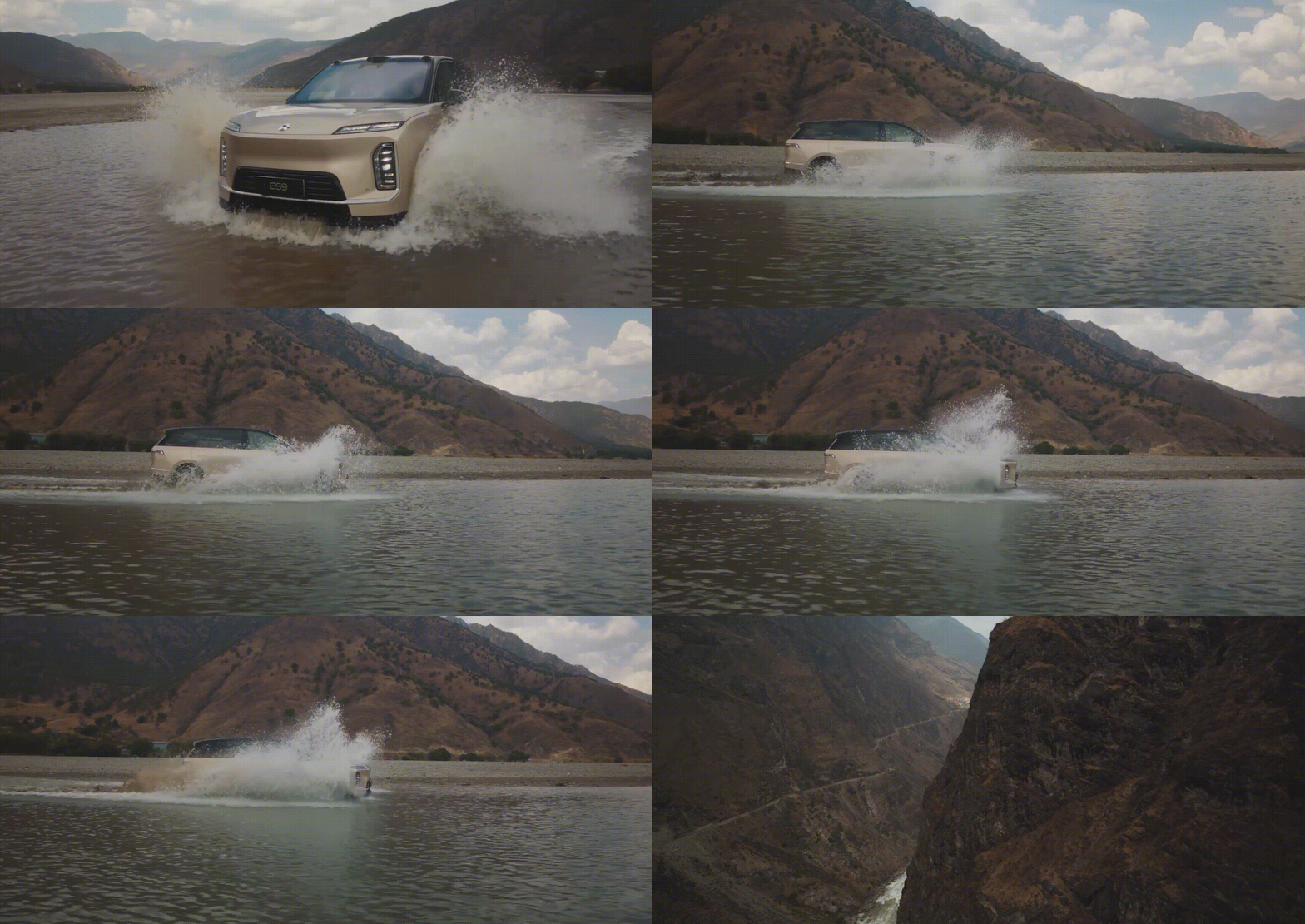
The pattern is the same across makers: not a part made waterproof, but a whole system that drops into a defensive posture the moment water rises. For European buyers, the practical point is that a modern Chinese EV often out-fords the petrol SUV beside it, and the gap is widening as range-extenders and floating modes reach a full metre. Water, long the petrol car’s hard limit, is becoming an EV spec sheet line.
More images
Editor’s note: This is an adapted translation of the original CheDongXi report. It has been trimmed and restructured for readability for an international business audience.