China built 34.53 million vehicles in 2025, the 17th year it has led the world, with new-energy output up 29 per cent year on year. The more consequential contest, though, is the silicon behind the wheel. Horizon Robotics says its Journey series of autonomous-driving chips has now passed 15 million units shipped, and the pace is accelerating: the first five million took nearly four years, the third five million took about one.
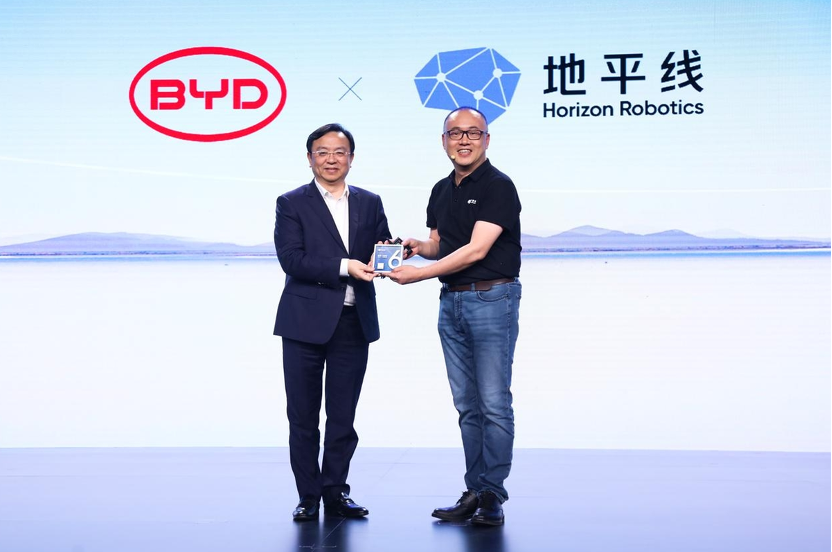
That means more than ten million Chinese cars now run on a domestically designed driving chip, from budget commuter models to 300,000-400,000 yuan flagships. Every one of China’s ten largest carmakers has signed on: BYD, Geely, Changan, Chery, SAIC, GAC, FAW, Dongfeng, Great Wall and JAC. The question of why is answered by Horizon’s eleven-year climb from outsider to supplier.
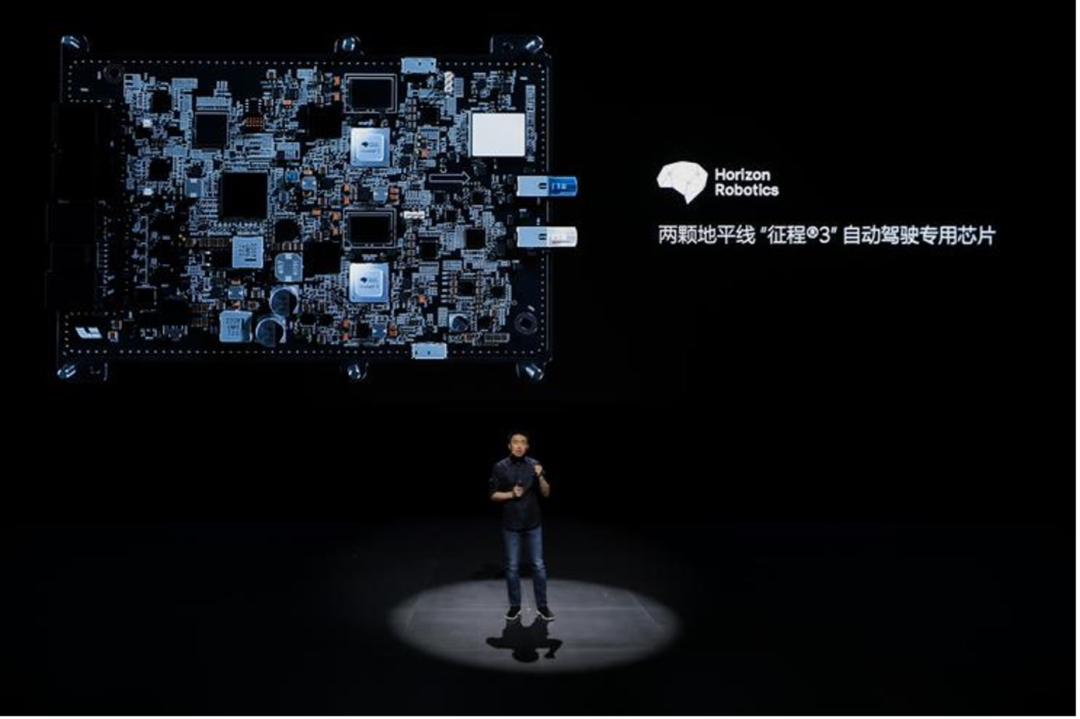
The Journey 2, launched in 2019 at just 4 TOPS and 2 watts, was the first mass-produced domestic automotive-grade driving chip. Journey 3 was the first to support an 8-megapixel front camera. Journey 5, in 2021, jumped to 128 TOPS to challenge Nvidia’s Orin. The real statement came with Journey 6 in April 2024: its 6P variant delivers 560 TOPS on a single chip, more than two Orin-X parts combined, letting carmakers replace a two-chip board with one.
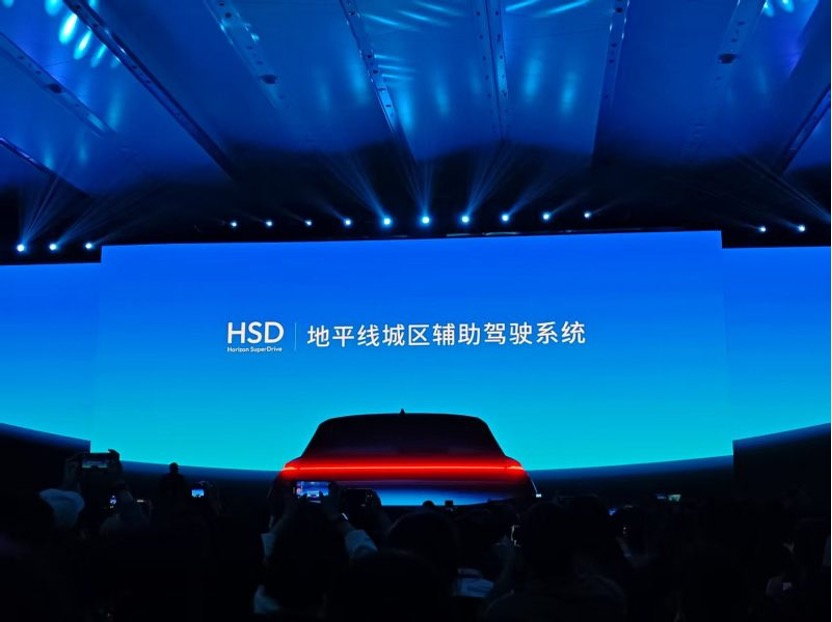
Alongside the hardware, Horizon now ships Horizon SuperDrive (HSD), a full-scene assistance system, extending the offering from compute to “chip plus driving software”. HSD has been designated for more than 20 models, covering China’s top five home brands and its two largest joint ventures. The company counts more than 200 ecosystem partners.
More from the original report
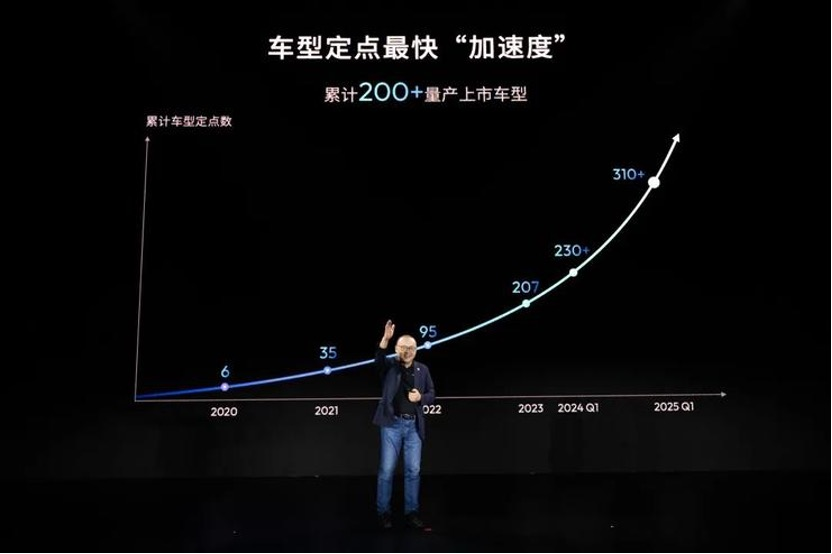
According to Bernstein, in the second quarter of 2026 Horizon held 32 per cent of China’s L2-plus driving-chip market, edging out Nvidia’s 28 per cent for the first time. The four-point gap is small, but it marks the first time a local chip pulled ahead of the foreign incumbent on its home turf. For years “twin Orin” and “508 TOPS” were the shorthand for premium autonomy; Chinese carmakers now pair local silicon with domestic algorithm firms and Tier 1 suppliers to build their own stack.
The next front is global. By the first half of 2026 Horizon covered all six of China’s top export groups across 24 brands, with more than 60 export-model design wins spanning Asia, Europe, the Middle East, South America and Australia. The clearest signal: Volkswagen’s software arm CARIAD formed a joint venture with Horizon to build advanced-driving systems for China and take them to global markets. For the first time, Chinese driving technology is entering a global carmaker’s core architecture, not just riding out on Chinese brands.
Horizon is not uncatchable. Nvidia still holds nearly 40 per cent of the high-end urban-noa segment, and Journey 7, due in 2027, will face Nvidia’s Thor. But the milestone stands: in a field long dominated by foreign giants, a Chinese company reached 15 million units and the top of the chart by its own architecture, engineering and an open ecosystem.
Editor’s note: This is an adapted translation of the original Leiphone report. It has been trimmed and restructured for readability for an international business audience.
Translated and adapted from Leiphone (https://www.leiphone.com/category/transportation/DMdDed44liSYTSBx.html).