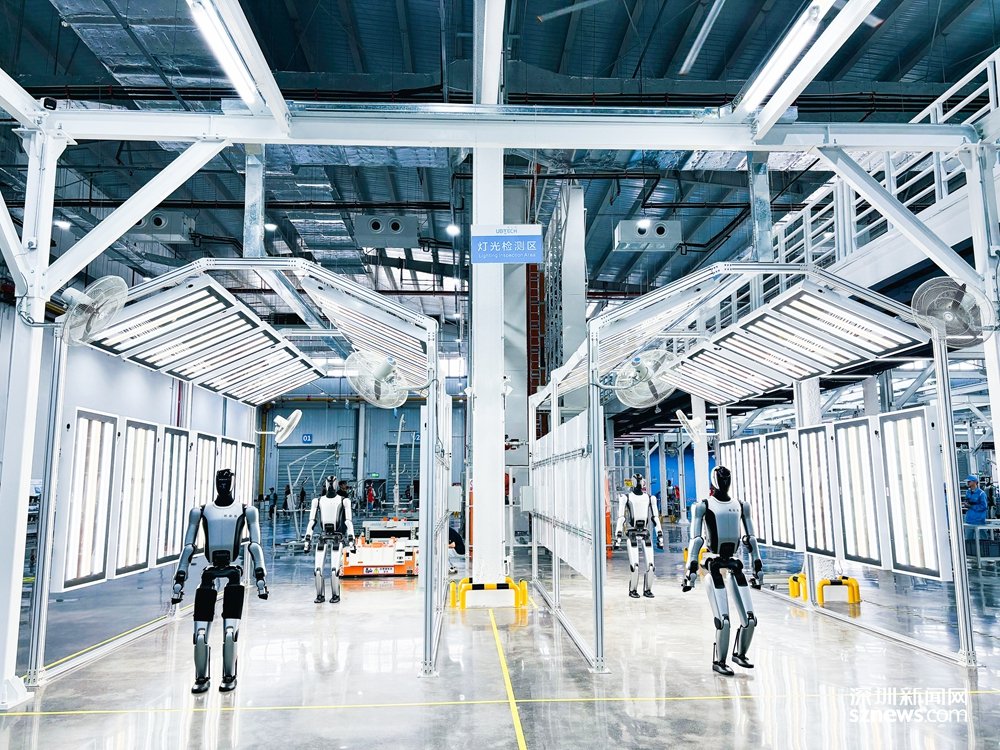
UBTECH’s industrial humanoid-robot super factory began production on 12 September in Liuzhou’s northern eco-industrial new area in Guangxi. The plant, the first humanoid-robot smart-manufacturing benchmark built for ten-thousand-unit capacity, runs on industrial simulation planning and a digital scheduling brain, putting the “robots building robots” model into practice. It marks the shift of China’s humanoid industry from prototypes and small batches into scale, standardisation and digital mass production.
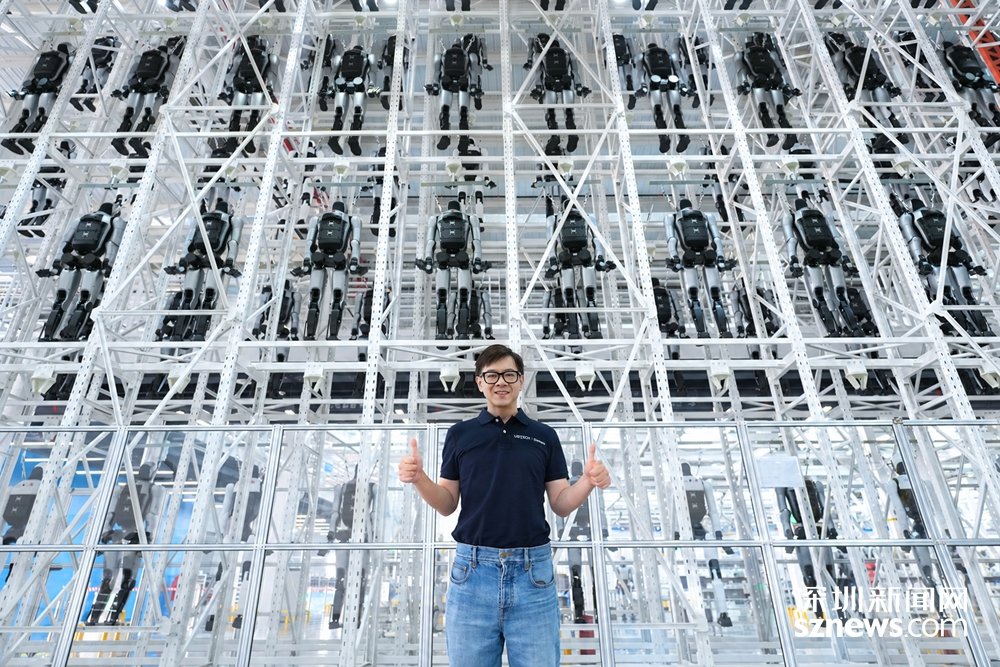
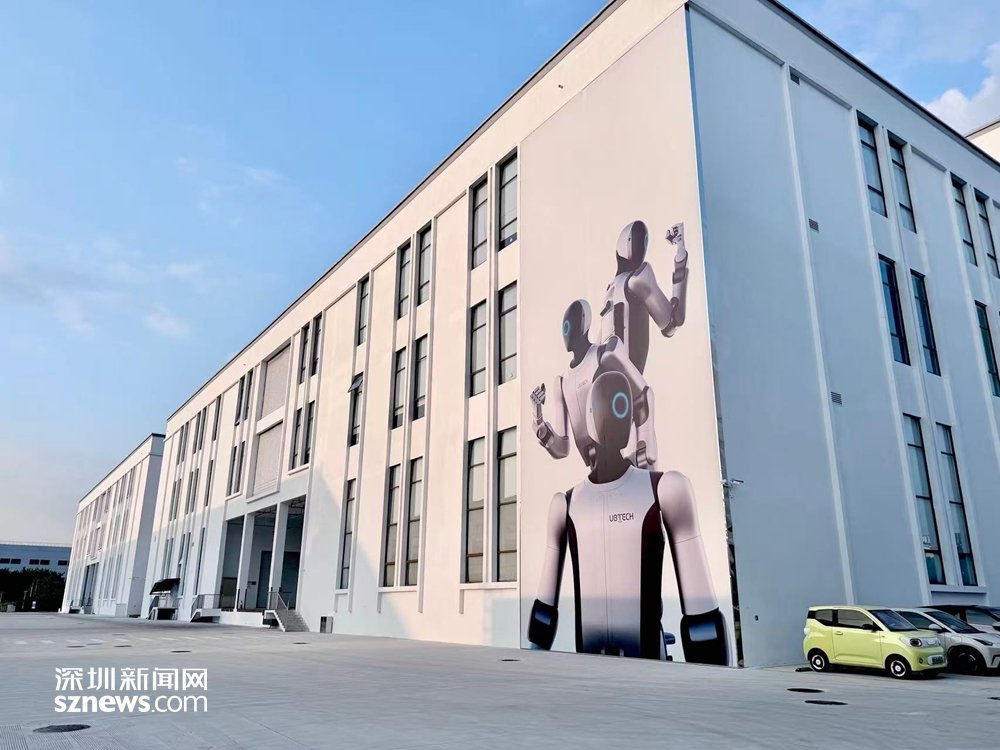
The factory covers 14,000 square metres with a height of 13.8 metres and mainly produces the Walker S and Cruzr series of embodied intelligent industrial humanoid robots. At its designed cadence it rolls out one unit every ten minutes, with planned annual capacity above 10,000 units, giving scale a production base.
The launch is the result of deep strategic cooperation between UBTECH and Siemens Digital Industries Software. The two worked together on plant planning, product lifecycle management, digital twin simulation, intelligent systems, production scheduling and full-chain quality control to build a digital manufacturing base designed specifically for humanoids, tackling the pain points of many parts, frequent transfers, high assembly precision and fast product iteration.
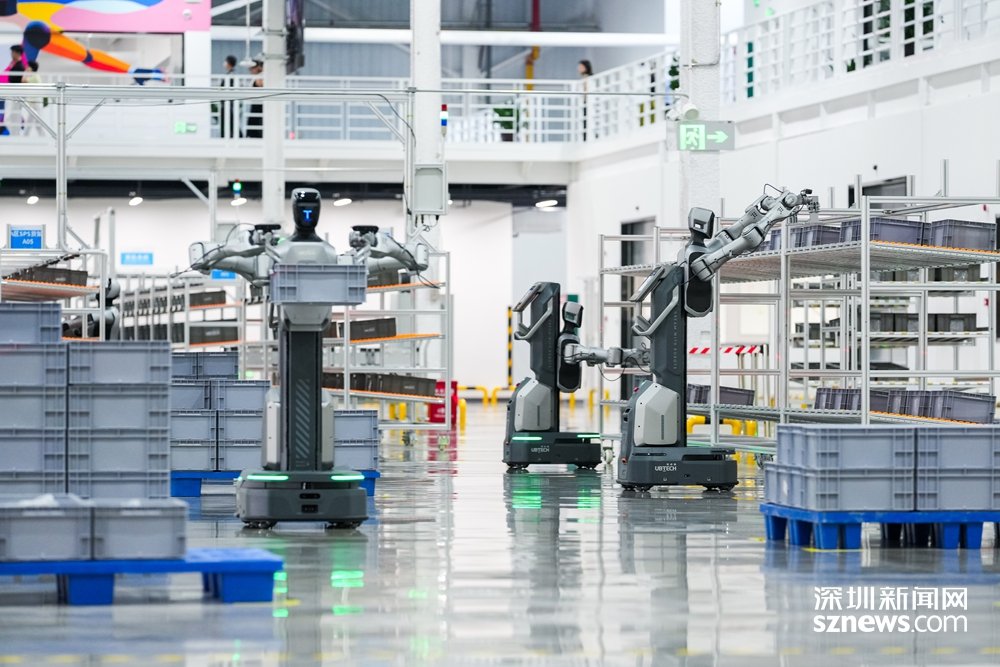
With the digital system coordinating the floor, UBTECH has embedded several of its own embodied intelligent humanoids into production. In material supply, Cruzr Y1 and Cruzr S2 handle depalletising, palletising, loading and transport, using 3D vision and embodied decisions to cope with box offsets and shifting stack patterns, keeping material flowing around the clock.
Final assembly abandons the traditional fixed line for collaborative robots, assistive manipulators, driverless logistics vehicles and 360-degree rotating fixtures. The setup solves the heavy manual handling and difficult assembly of large components, allows precision assembly from multiple angles in place, supports fast changeovers and lets Walker and Cruzr models run flexible mixed-model production.
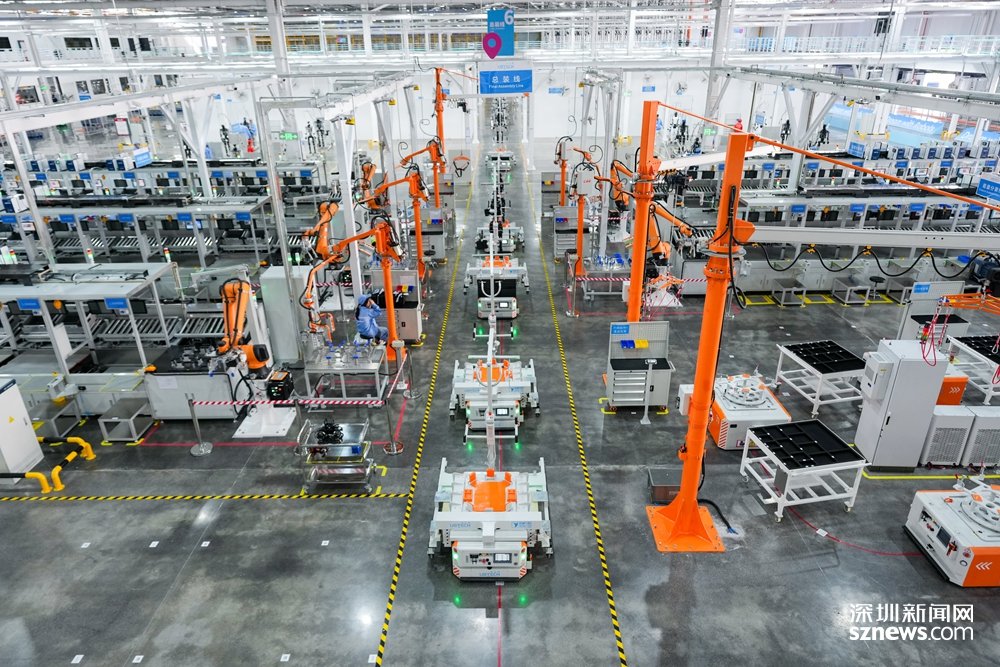
A first-of-its-kind assembly display rack supports self-driving movement, 360-degree rotation and automatic arm alignment, while RFID tags feed the Yanshee MOM manufacturing operations system for full digital tracking of products, fixtures and equipment. For the more than 2,000 screws across 50-plus specifications in each humanoid, the plant deployed an industry-first smart tightening system that manages screw supply, torque matching, tightening and data retention end to end, preventing wrong fits, missed fasteners and torque faults and feeding every record back to Yanshee MOM.
This human-machine collaborative manufacturing system is UBTECH turning its embodied intelligence on its own production. Robots move from end product to core tool, letting the same technology build and be built. It cuts manual labour intensity and lifts precision, efficiency and quality, giving the humanoid industry a replicable template for standardised and intelligent mass production.
Editor’s note: This is an adapted translation of the original Shenzhen News report. It has been trimmed and restructured for readability for an international business audience.