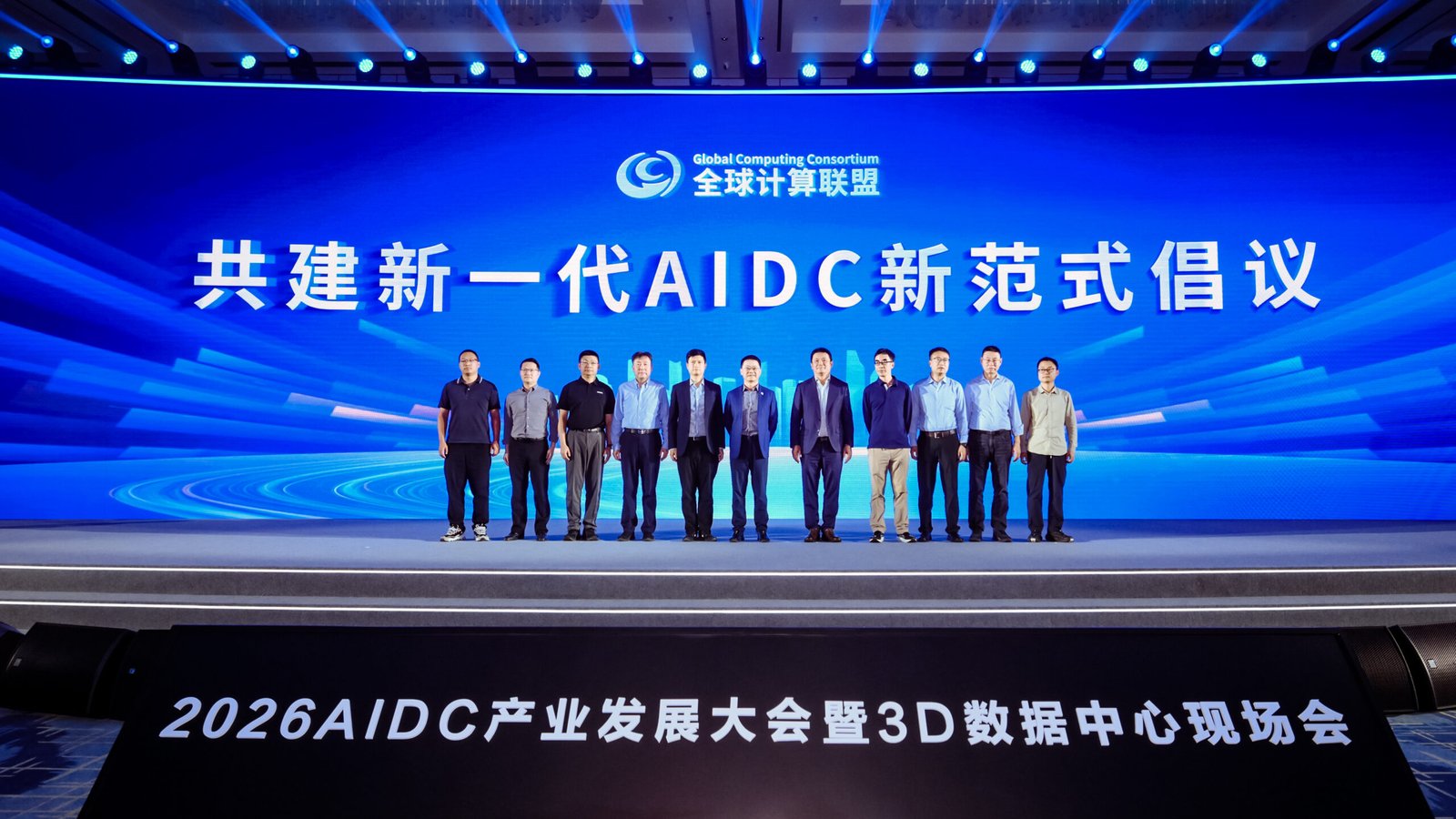
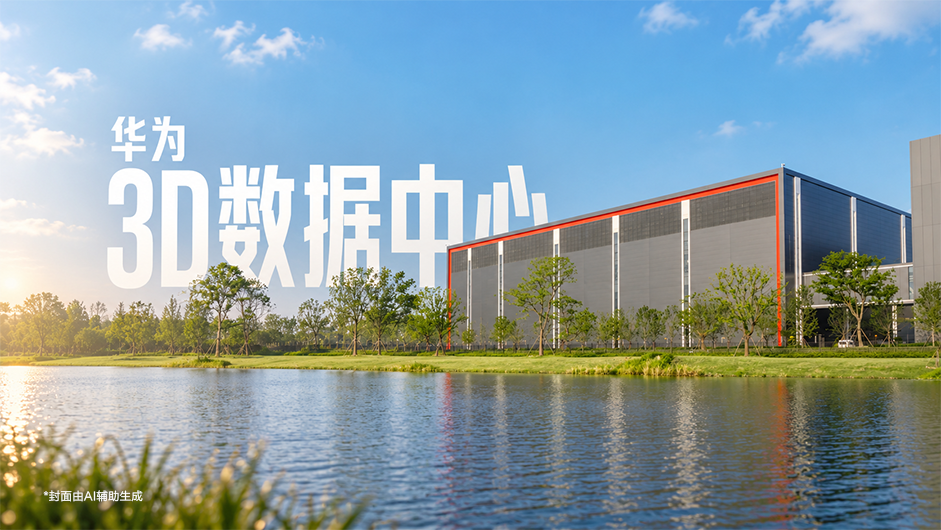
On 22 September Huawei released what it calls the world’s first 3D data centre, reshaping AI data-centre infrastructure by stacking functions vertically instead of spreading them horizontally, decoupling cooling, power, backup and IT equipment to break the space, power and heat bottlenecks of the AI compute era.
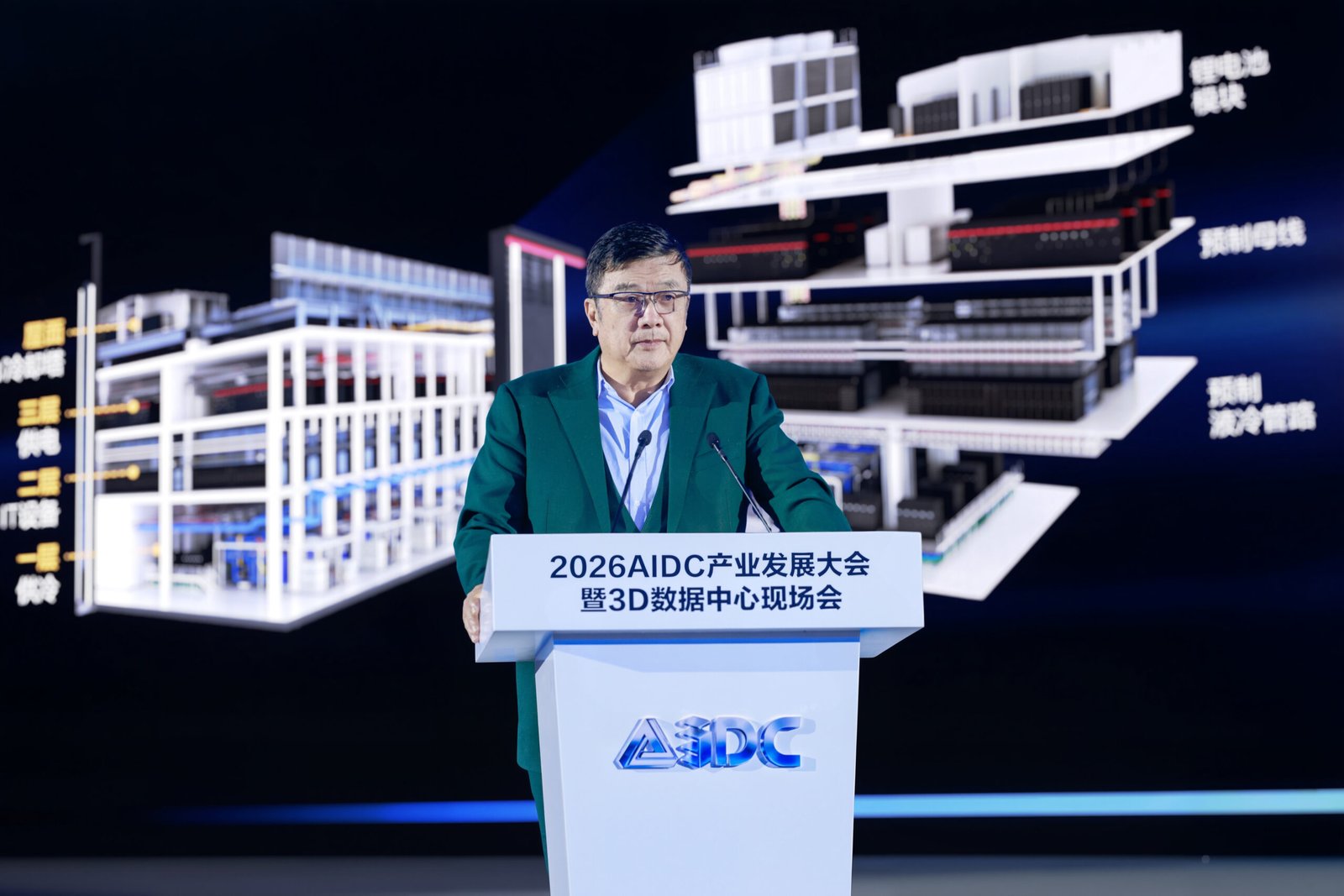
The design borrows the chip-factory idea of separating a power layer from a production layer. Traditional horizontal functions are stacked: a cooling layer at the bottom, an IT equipment layer, a power layer and rooftop backup. Vertical power and cooling mean the shortest links and the least loss, supporting dense AI compute clusters while leaving headroom for future upgrades.
Single-rack power has climbed from a few kilowatts to 100 kW and 200 kW, and clusters are moving from ten thousand to one hundred thousand cards. Huawei makes the core electromechanical systems into standard PODs, the smallest independently runnable unit, prefabricated, assembled and tested in the factory, with only assembly and connection left on site. Prefabrication exceeds 90 per cent, and electromechanical delivery drops from about six months to three.
From 2D to 3D
The four-layer architecture addresses high density, fast iteration and rapid delivery. The cooling layer uses a thermal-management controller as the liquid-cooling brain, with AI for leak detection and a seven-day advance warning on coolant health, shifting maintenance from reactive to predictive. The IT layer packs liquid-cooled racks and a high-speed switch fabric near the cluster’s geometric centre to shorten node links.
The power layer uses an integrated converged design, high density and fast to deploy. Vertical power cuts the distance from power module to rack from 17 metres to 5, and lifts IT capacity from 76 MW to 168 MW in the same footprint. The rooftop backup layer runs SmartLi lithium with separate rooms, temperature and gas detection, two-level fire suppression and venting, plus smart boost and remote deployment to avoid thicker cables.
POD productisation also bounds failure. Layered isolation keeps a fault in one unit from spreading, and separated teams cut misoperation risk. Huawei feeds AI into equipment and behaviour recognition, flagging cold-plate fouling or abnormal site work before it bites.
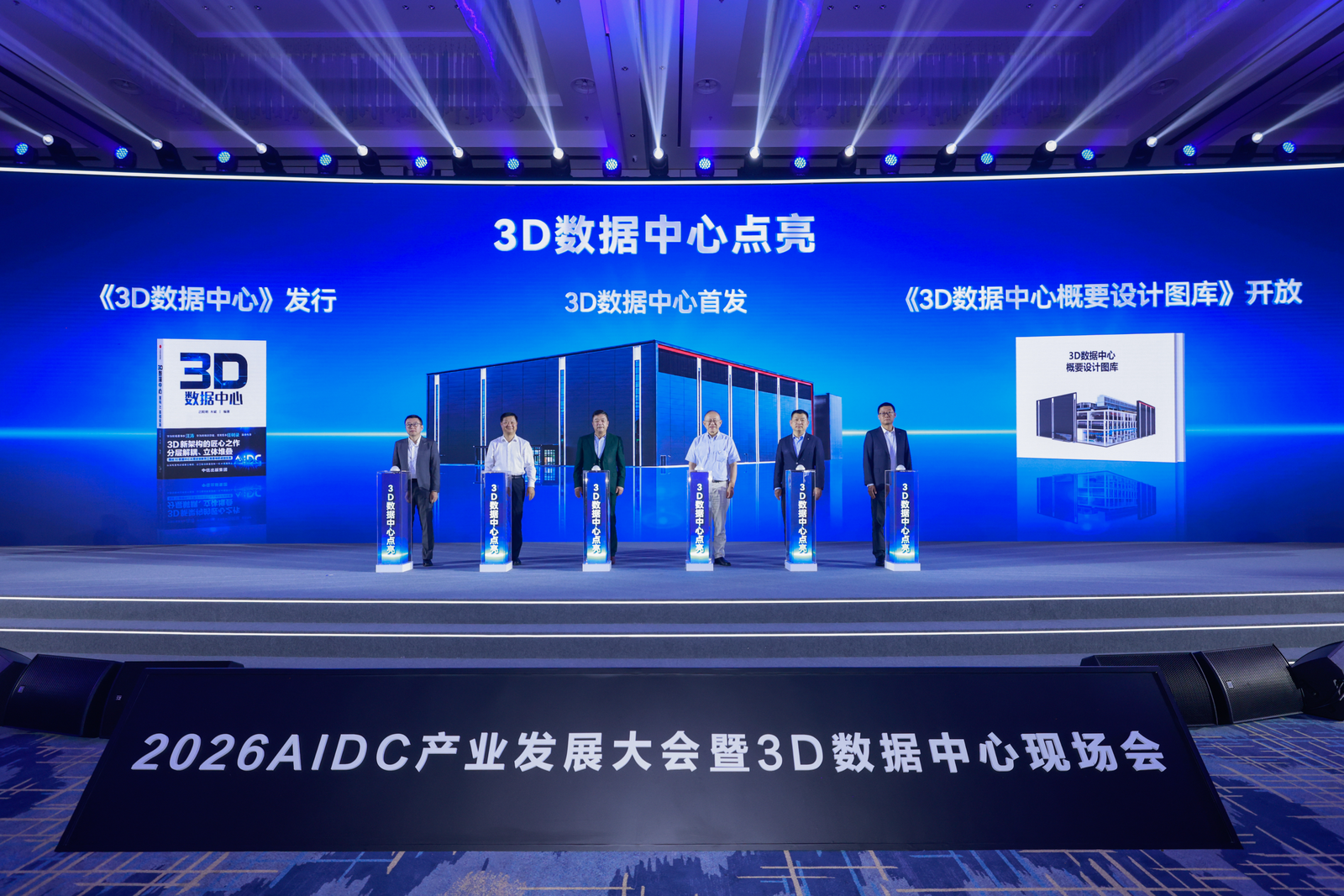
Beyond the project, Huawei opened its design library and a book on the 3D data centre, pulling AIDC construction toward a batch-replicable standard product. As AI clusters grow and compute gear iterates faster, infrastructure must move from custom engineering to standard product, ready ahead of the silicon.
Editor’s note: This is an adapted translation of the original Zhidx report. It has been trimmed and restructured for readability for an international business audience. The full original (in Chinese) is at https://www.zhidx.com/p/596478.html.
Image gallery