Aion opens Ray7 pre-sales from 128,800 yuan
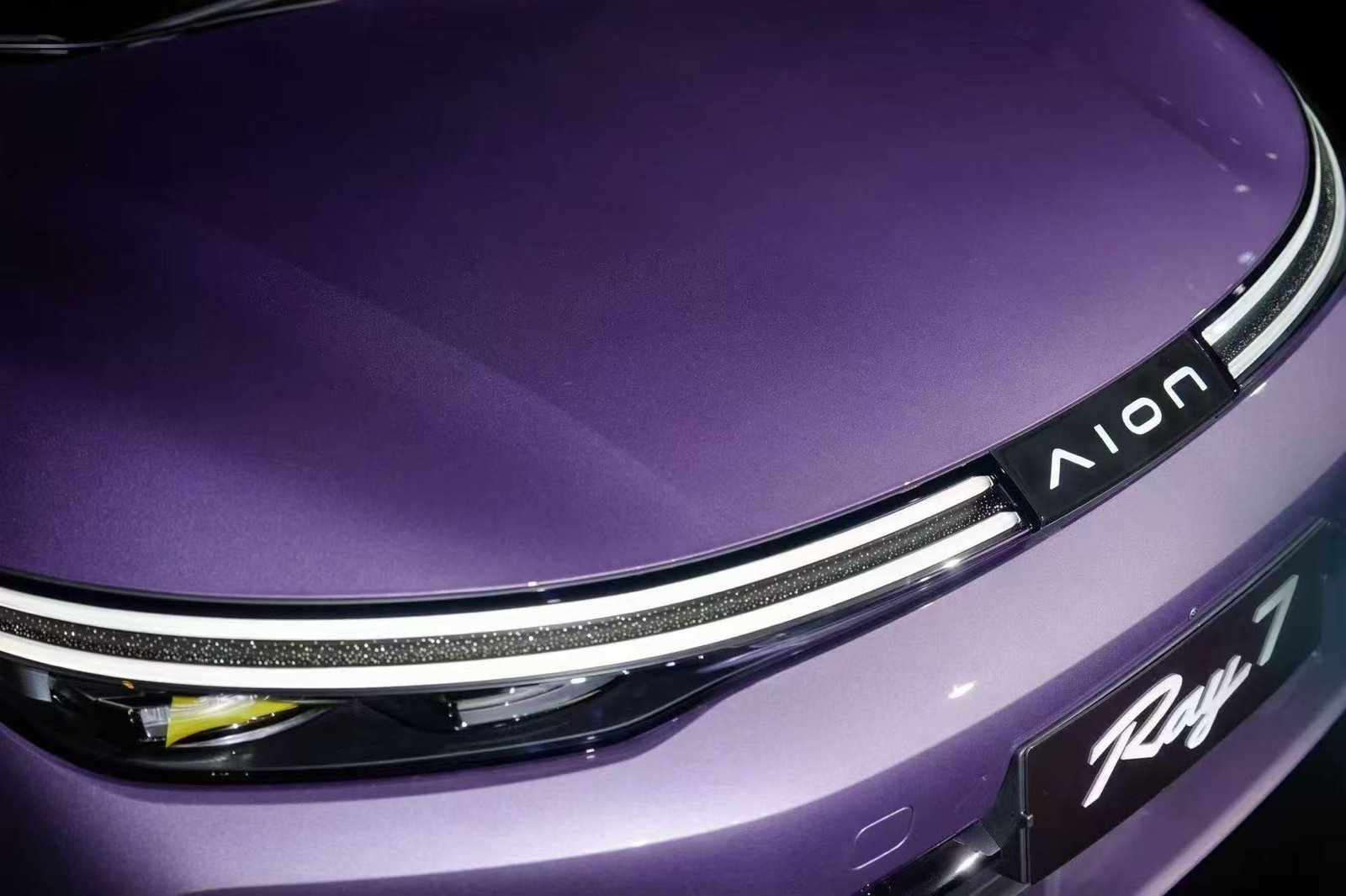
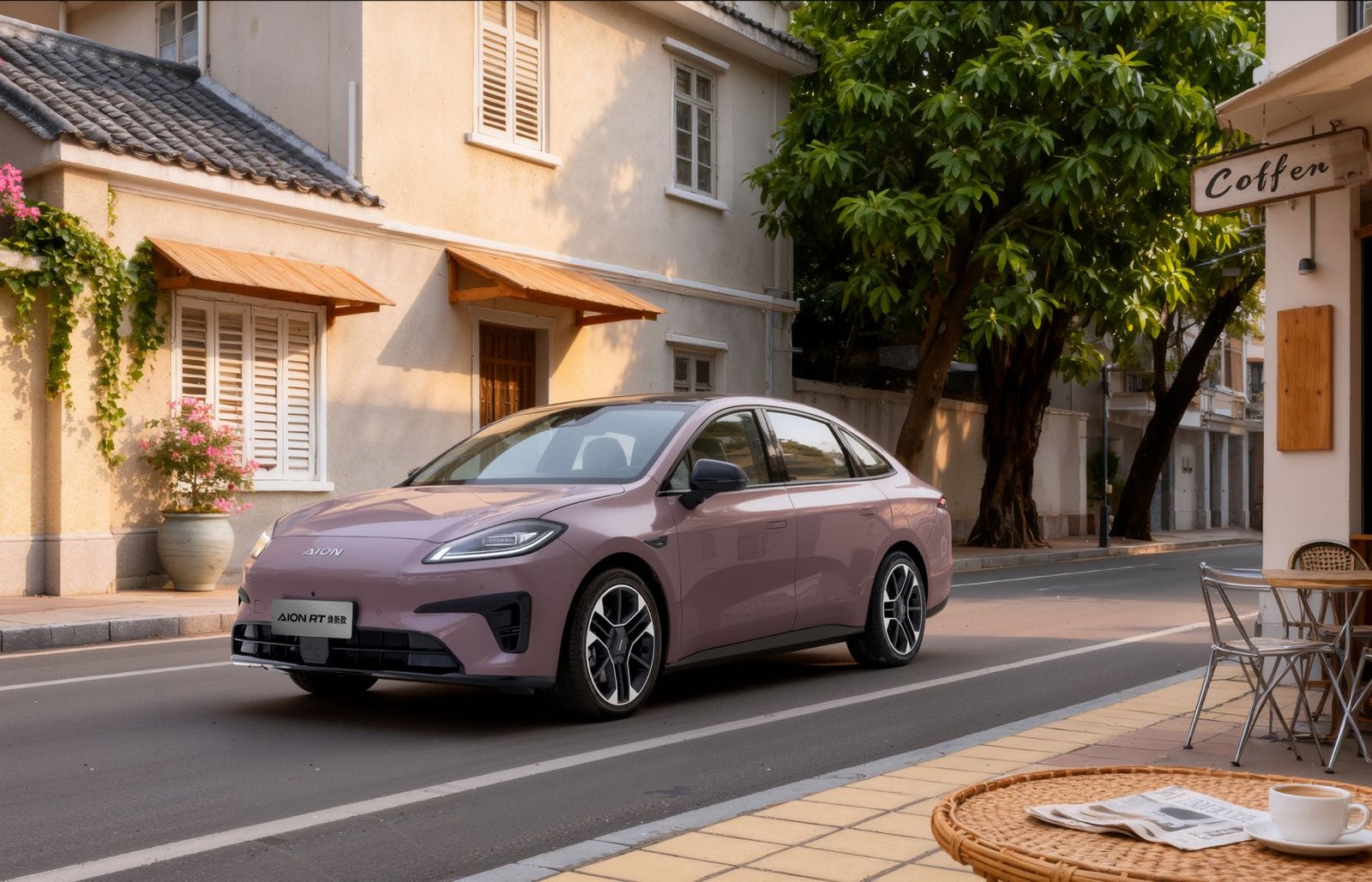
On 17 October, GAC’s Aion brand opened pre-sales for the Ray7, a 4.9-metre fastback sedan with a wheelbase of 2.9 metres, starting at 128,800 yuan. The front end carries a 3.25-metre dual-ring light strip that Aion calls the signature of its ten-year design refresh.
Battery, range and chassis
The car uses CATL cells paired with GAC’s in-house Amplified Battery 2.0 chemistry, offered in 45.58 kWh and 62.98 kWh variants. Claimed range reaches 702 kilometres, and the drag coefficient is a low 0.22. A Huawei DriveONE multi-in-one electric drive and Huawei’s chip-level drive-control fusion architecture deliver a 100 km braking distance of just 32.8 metres. The chassis pairs high-performance front and rear stabiliser bars with a five-link rear suspension for higher cornering limits and cleaner damping.
Huawei drive, WeRide brain
Intelligence is the headline. The Ray7 carries 27 vehicle-grade full-view sensors and runs a large model shared with WeRide’s L4 robotaxi fleet. That lets the car reuse the massive scenario library accumulated at L4 level, so it can handle complex urban moves such as U-turns and detours. Since GAC launched its Panyu Action in 2025, the Haobo-Aion business unit has shortened research, production and sales cycles, and the Ray7 is the first model of the new Ray line, a key step in Aion’s push to court younger buyers and GAC’s move into the 200,000-yuan segment.
The segment is not an easy one. Xpeng’s P7 and Zeekr’s 007 have already staked out positions. For the Ray7 to win a place with young buyers, Aion cannot simply stack specifications. It has to turn the smart cockpit, assisted driving, three-electric safety, replenishment speed, running cost and price into an experience users can feel, trust and keep.
Image gallery
Editor’s note: This is an adapted translation of the original Leiphone report. It has been trimmed and restructured for readability for an international business audience. The full original (in Chinese) is at https://www.leiphone.com/category/transportation/F3nQwjeqDO0BtrQ0.html.