DeepSeek plans to lead a seed round in Winverse AI, a robotics AI company founded only months ago, at a post-money valuation of about $400 million, or roughly 2.7 billion yuan, Bloomberg reported on 12 October. The round itself is in the tens of millions of dollars. Meituan’s Longzhu fund has committed to follow.

The transaction has not closed. Valuation and the final investor list can still change. If it completes, it would rank among DeepSeek’s largest investments since the company was founded in 2023.
DeepSeek was already inside the hardware layer
Corporate filings show DeepSeek holds 0.2308 per cent of Unitree, or 933,399 shares. The two companies have a cooperation agreement on embodied intelligence models. The Winverse AI cheque extends a position that already exists rather than opening a new front.
Bloomberg has also reported that DeepSeek is raising at least 80 billion yuan ahead of a listing planned for early 2027. Most of that capital is earmarked for model training and data centres, with a portion reserved for external startups.
The founder is the asset being priced
Winverse AI was founded in 2026 and works on robot AI models. It operates quietly and has disclosed very little about its product.
Its founder, Hu Han, is one of the more recognisable technical names in Chinese AI vision. He took a bachelor’s degree at Tsinghua in 2008 and a doctorate there in 2014 under Professor Zhou Jie. Before founding Winverse AI he was a Distinguished Scientist at Tencent, running both the Hunyuan vision-language model team and the embodied foundation model team, and had earlier led Hunyuan’s language model work and built its speech team.
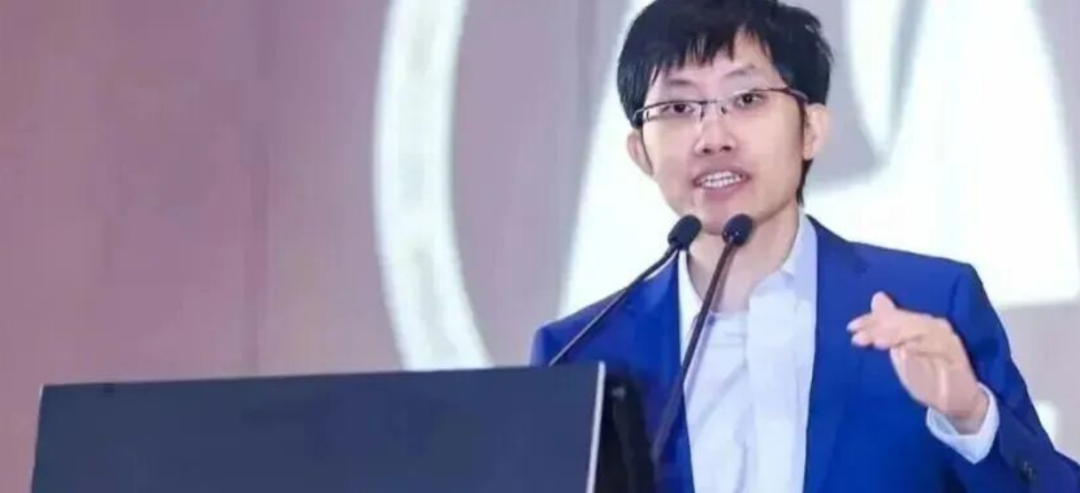
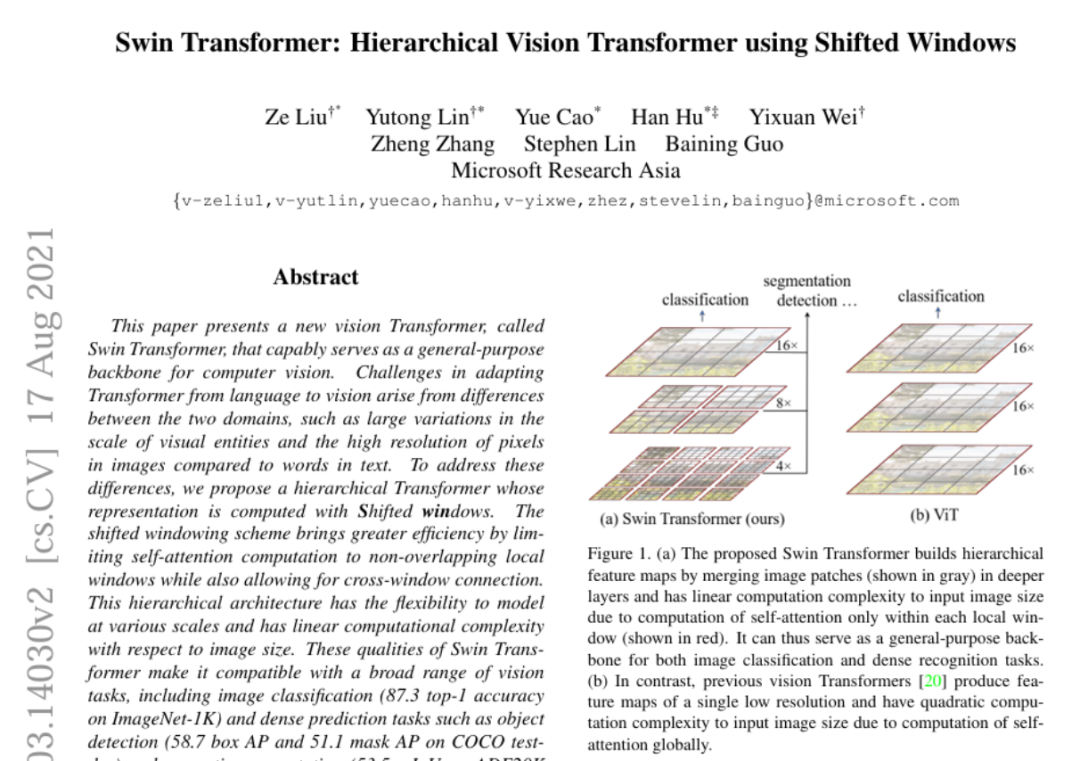
Before Tencent he worked at Microsoft Research Asia as a principal researcher and research manager, and at Baidu. He co-authored Swin Transformer, which won the Marr Prize for best paper at ICCV 2021, and was named to the MIT Technology Review 35 Under 35 list for China in 2022.
What the cheque actually buys
Chinese firms have proven they can build robot hardware. The constraint is the intelligence layer that lets a machine operate in an environment it has not seen. Large models supply comprehension and reasoning. Robots supply the body. Connecting the two is the open problem in the sector, and Western AI labs are hunting for robot partners for the same reason.
The risk sits in the same place as the valuation. A company with no shipped product is being priced at 2.7 billion yuan on the strength of its team, and the deal is not yet signed.
Three things follow if it lands. Large model companies get a lower-risk route into embodied AI than building hardware themselves. Top researchers leaving platform companies for vertical startups becomes the normal path rather than the exception. And capital starts valuing the software stack behind a robot at least as highly as the hardware specification on the brochure.
Editor’s note: This is an adapted translation of the original OFweek report. It has been trimmed and restructured for readability for an international business audience. The full original (in Chinese) is at https://robot.ofweek.com/2026-10/ART-8321205-12003-30706826.html.