Chinese humanoid robotics shares went vertical on 20 October, and Unitree Technology led the move. The stock touched 549.44 yuan intraday, a gain of more than 10 per cent on the session, and closed three trading days up more than 35 per cent. Its market value passed 220 billion yuan.
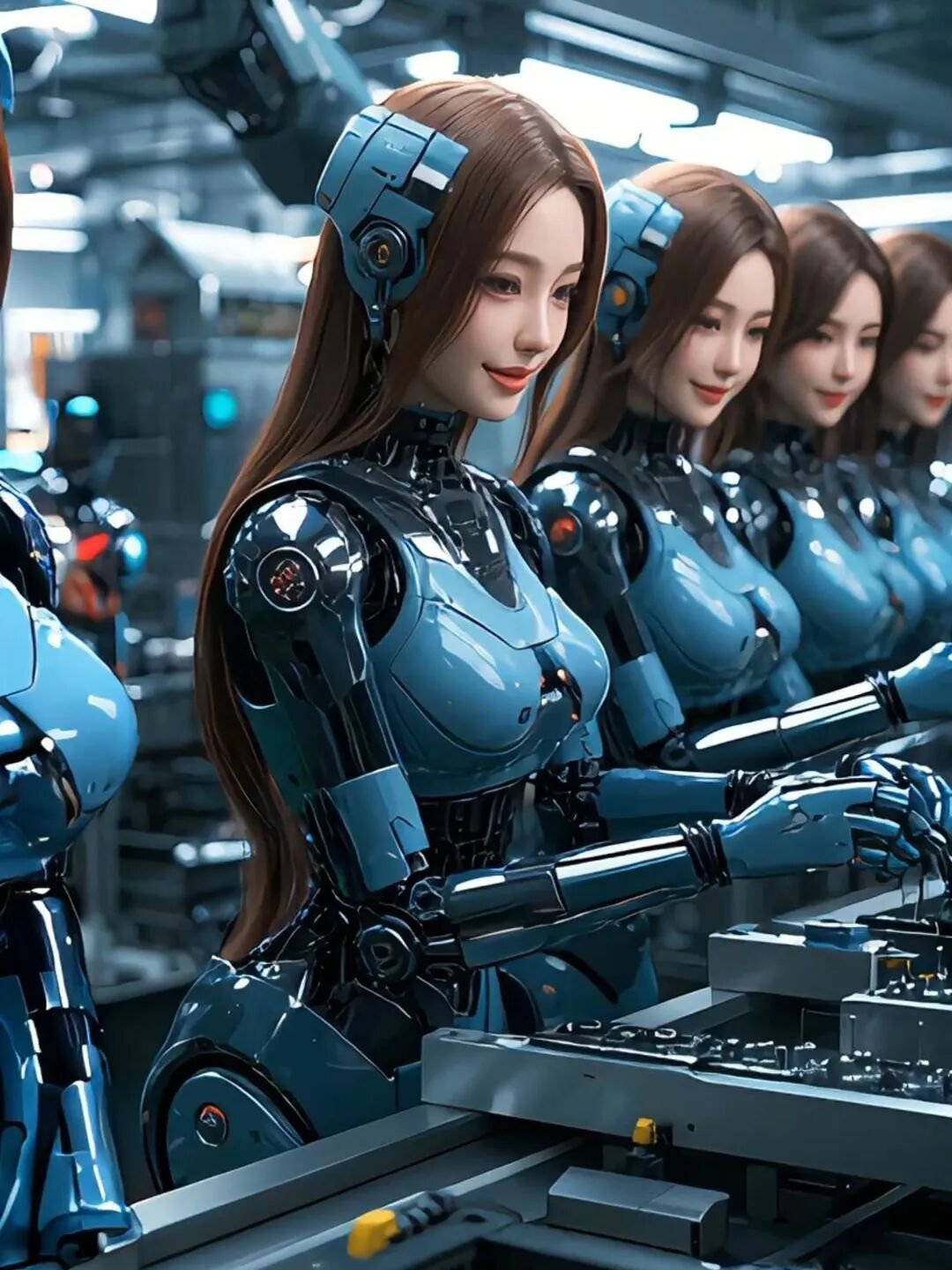
The rally spread well beyond the obvious names. Changying Precision, a precision structural components supplier, hit the 20 per cent limit. Zhejiang Rongtai, Fulaixin Material, Ningbo Dongli and Daye Group also closed limit up. Not one of them builds a humanoid robot.
Three catalysts, one afternoon
The first came from policy. The Ministry of Industry and Information Technology disclosed that Chinese manufacturers released more than 400 humanoid models in the first half of 2026 and produced over 40,000 units. The ministry expects full-year output above 100,000 units and plans to publish a national standards framework for the sector.
The second came from abroad. Nvidia devoted its GTC keynote to physical AI and robotics, with Jensen Huang on stage. OpenAI separately confirmed it is working on humanoid research.
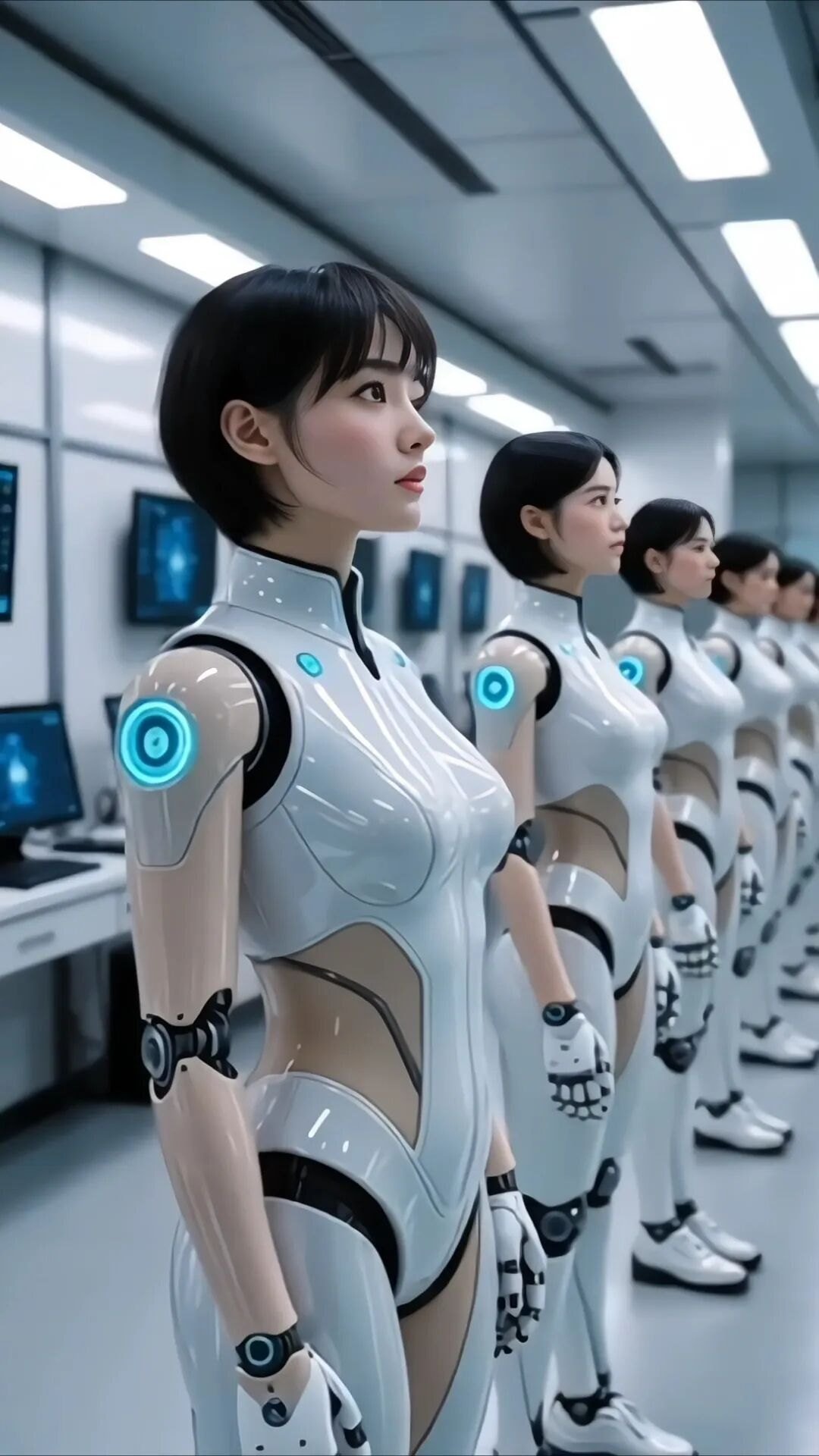
The third came from the supply chain. Tesla has largely frozen the hardware design of Optimus V3 and is moving into volume production, with upstream component orders already booked into 2027.
Stack those three together and the story writes itself. 2026 is the mass-production year.
What 399 times buys
Unitree now trades at a price-to-earnings ratio of 399. Flat profits at that multiple means 399 years to earn back the share price.
Growth stocks are not valued on trailing earnings, and the market is pricing the production ramp instead. The awkward part is that the ramp is still early. Tesla’s Optimus remains in yield improvement. AgiBot has rolled out its 20,000th unit, but hardware output is moving slower than the valuations being assigned to it.
The quality of the limit-up list matters more than the index move. Changying Precision genuinely supplies precision structures. Others have answered an investor question by saying their products could theoretically be applied to robotics.
Every robotics cycle produces a cohort that rises on adjacency and falls on clarification.
Where the divergence lands
Two kinds of company can convert this cycle into earnings. The first is the component supplier inside Tesla’s Optimus programme or a leading Chinese humanoid platform, with order visibility stretching to 2027. The second is the assembly supplier that can run continuous, automated volume production rather than batch builds.

For the rest, the first quarterly report with real delivery numbers will do the sorting. Scarcity premiums on a first listing have an expiry date. Once output is disclosed quarterly, the market stops believing the story and starts checking the figures.
The mass-production year is real. The money in it is not evenly distributed.
Editor’s note: This is an adapted translation of the original OFweek report. It has been trimmed and restructured for readability for an international business audience. The full original (in Chinese) is at https://mp.ofweek.com/robot/a756714027687.