The 26th China International Industry Fair closed at the National Exhibition and Convention Center in Shanghai with robots working as guides and wheeled humanoids hauling industrial bins. The demonstrations on the stands depend on something less visible: how fast a design revision becomes a physical part.
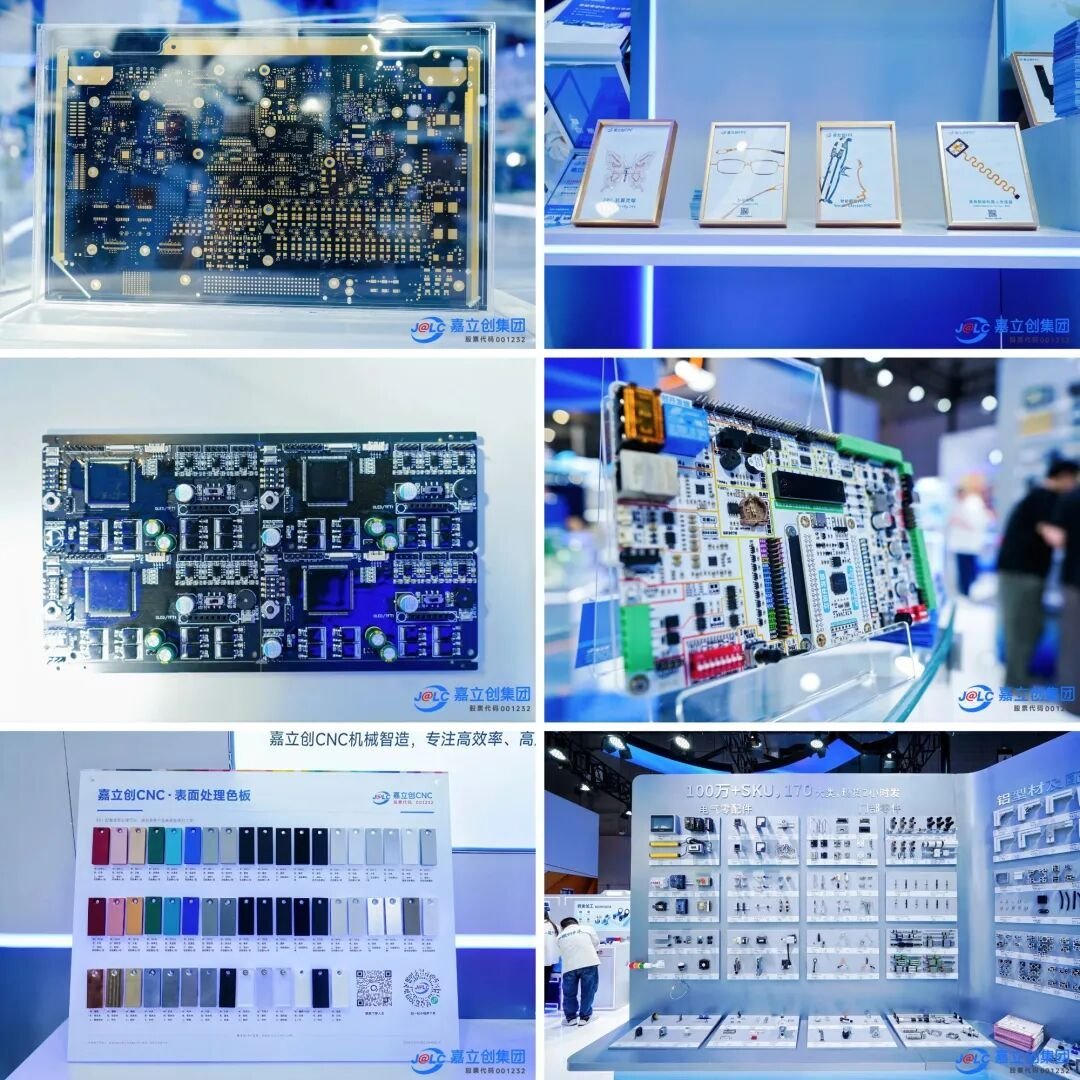
Control circuits, drive systems, sensing modules and mechanical structures have to move together. Shenzhen-based JLC used the fair to present a one-stop service spanning circuit design, component sourcing, electronics manufacturing and machining for embodied AI developers.
One or two parts, delivered in three days
A dexterous hand looks small and is revised one joint at a time. Its frame can now be produced by industrial 3D printing, many parts are needed one or two at a time, and the drive section needs custom boards.
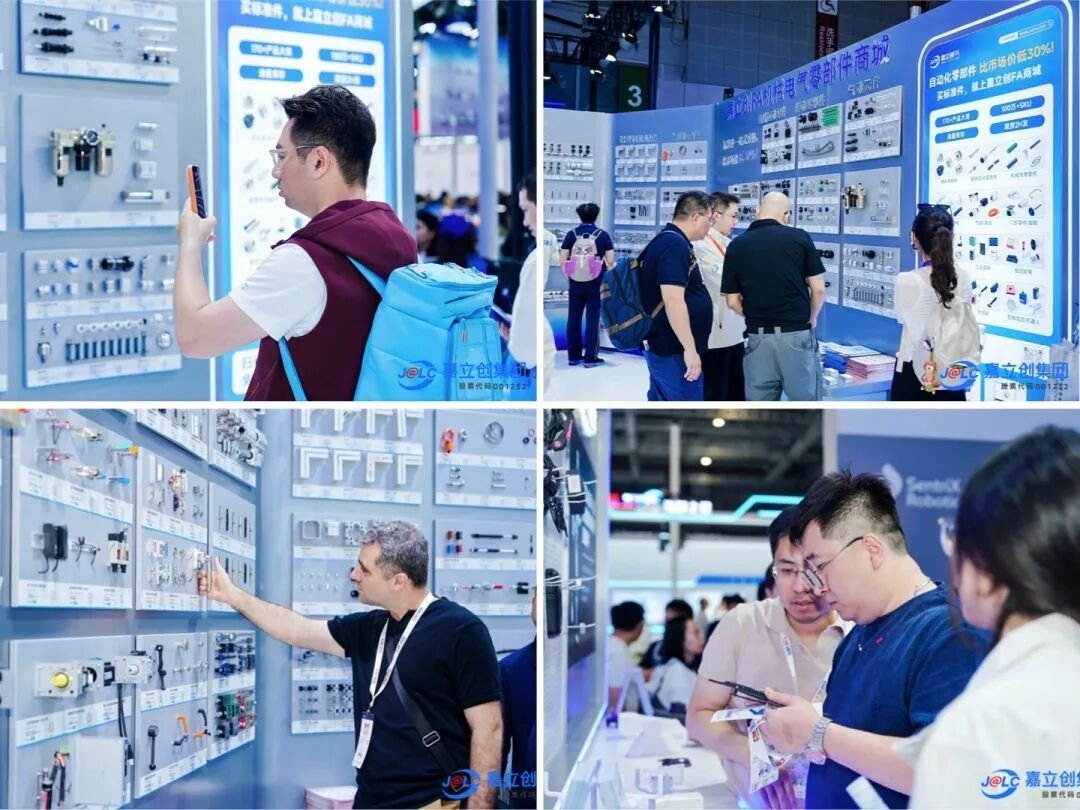
Teams using JLC’s service can collect key parts in three days and move into assembly and testing. Interstellar Lightyear, a dexterous hand developer, places orders every few days and can receive samples within a day. Benmo Technology uses the same platform for PCB design, prototyping, SMT placement, 3D printing and CNC machining.
The point is not cost. Traditional supply chains treat small-batch, high-mix orders as an inconvenience and cannot promise a date. When small batches are accepted, a design gets physically tested sooner.
From drawing to running
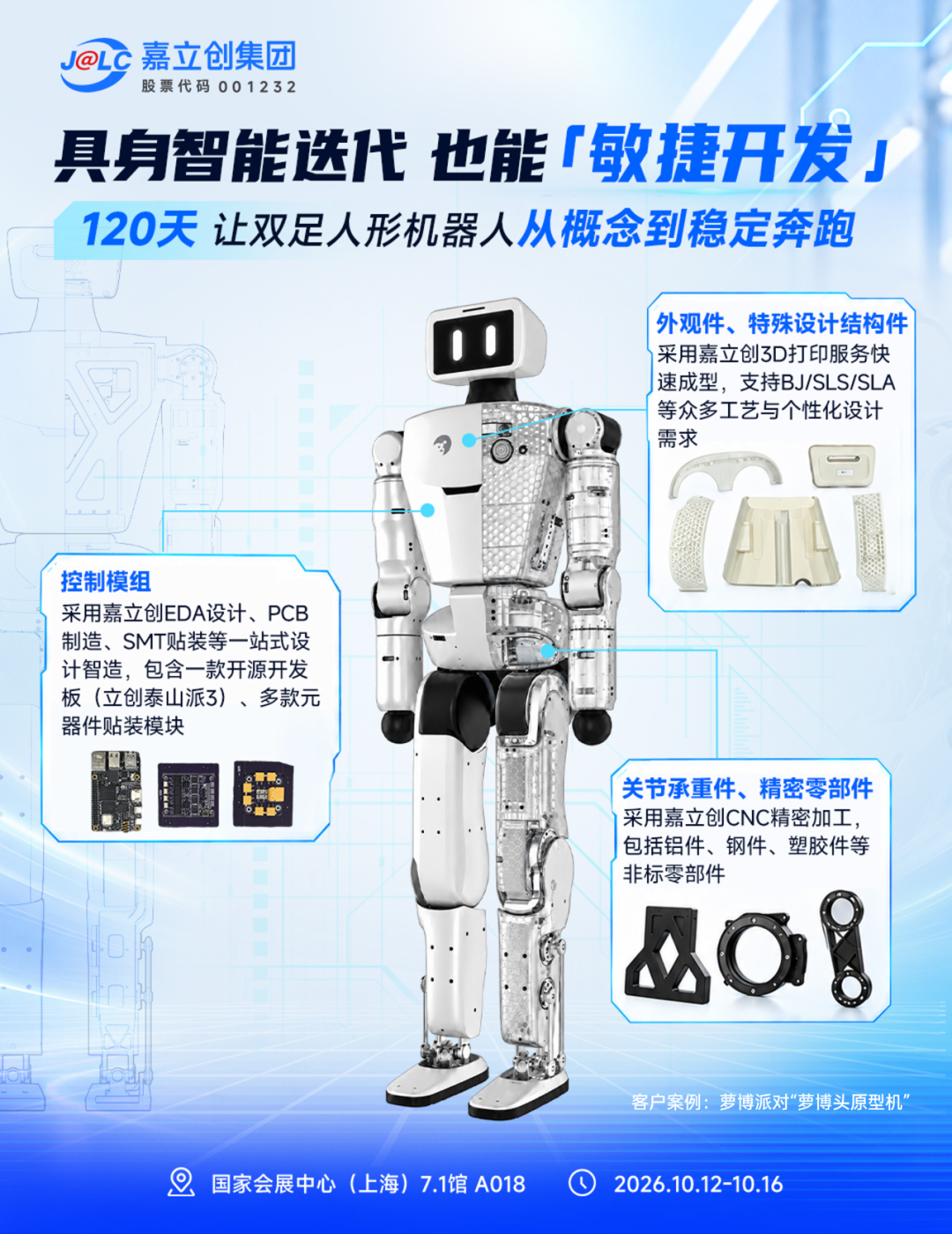
Once parts exist, a robot still has to be assembled, debugged and validated. The Luobo Party team took a fully open-source biped, Luobo Tou, from concept to stable running in about 120 days, using high-layer-count PCB prototyping, precision CNC and industrial 3D printing. Its hardware engineers described revising a drawing at night and receiving parts within a day or two.
AgiBot is part of the same supplier chain. LimX Dynamics uses the platform to develop humanoid control modules on one to two week design, build and test cycles. AgiBot’s industrial humanoid, Lingshu, went from design through training to deployment in 25 days, entering semiconductor fabs and power plants.
The number that matters
IDC data puts global humanoid shipments in the first half of 2026 at close to 25,000 units, more than four times the year-earlier level. China accounted for over 19,000 of those, about 78 per cent of the total. TrendForce expects the Chinese humanoid market to reach 15 billion yuan this year.
That is the shift from validation purchasing to volume delivery, and it turns hardware iteration speed into the variable that decides which companies arrive first.
Editor’s note: This is an adapted translation of the original Shenzhen News report. It has been trimmed and restructured for readability for an international business audience. The full original (in Chinese) is at https://www.sznews.com/news/content/2026-10/21/content_32197073.htm.