Tesla closed a $30 billion package of new loans and credit facilities on 29 September, earmarked for Full Self-Driving, the Cybercab robotaxi, Optimus humanoid production and AI compute infrastructure.
Most coverage stopped at the number. The detail that matters sits in a single word: undrawn.
Not a dollar has been pulled. Tesla has said it does not intend to draw on the facility at any point during 2026. The package replaces an existing $5 billion line, which lifts net available borrowing capacity by $25 billion. This is not money raised. It is a credit card left face up on the table.
Why hold a facility you do not need
Companies arrange large standby facilities when they expect to walk into a cash-burning stretch, not when they are short today. Short is a drawdown. Anticipation is a facility.
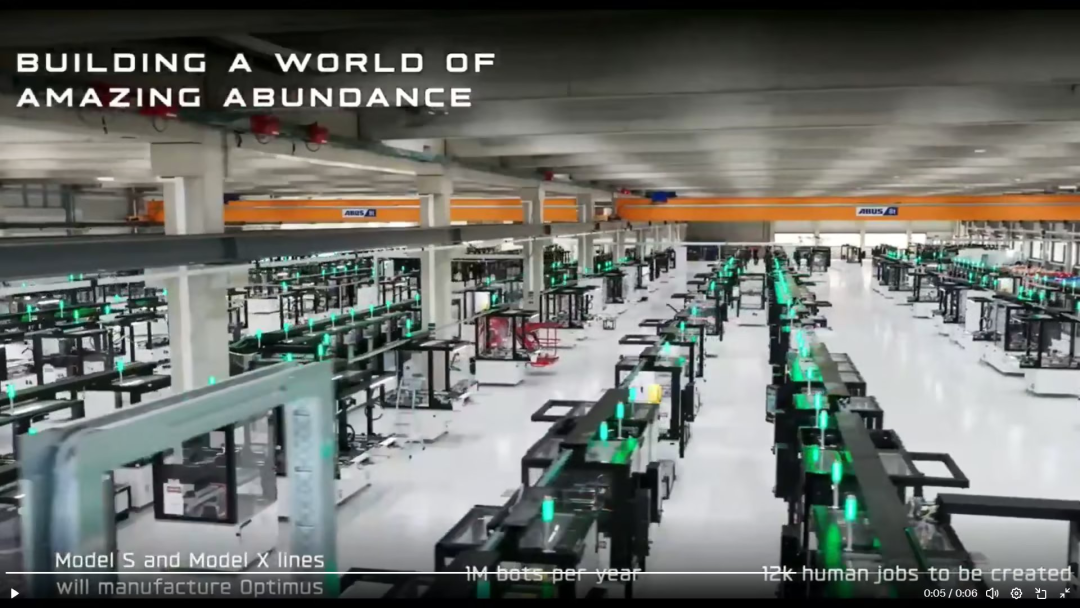
Tesla knows better than anyone what the stretch between a debugged production line and volume ramp costs. Tooling, line conversion, yield iteration and training compute are each an open-ended bill. Locking the facility in early tells suppliers and public markets one thing: expand capacity, we will not run dry halfway up the hill.
Musk pulled Tesla out of its earlier production hell with the same play. Money not yet in hand, posture already in place.
Global capital is building the same levee
The credit line did not land alone. In the same week, German humanoid maker NEURA closed a Series C of up to $1.4 billion, led by Tether, with Amazon, Nvidia and the European Investment Bank on the register. OpenAI was reported to be raising $30 billion at a $1.4 trillion valuation. XPeng’s robotics business took over $900 million in its first round at a $6.3 billion post-money valuation.
Brains, bodies and carmakers all raised the water level at once. Capital always arrives before product. Electric vehicles in 2010 and autonomy in 2015 opened the same way.
The difference this time is who is doing the believing. A bank extending a facility is not writing a venture cheque on narrative. It is running the robot story through a credit risk model. That kind of conviction costs far more to obtain.
The secondary market already priced it
Chinese A-shares reacted on 30 September. The humanoid robot sector rallied through the afternoon session, with Rujing Technology up more than 10 per cent intraday and names such as Ningbo Dongli and Siling Zhiqu moving in turn.
The logic along the Tesla supply chain, actuators, ball screws and dexterous hands, is quietly changing gear. The old question was whether Optimus would reach volume. The new question is whether the funding to reach volume is already in place.
A facility is not an order book, and it should not be read as one. It sets a floor under the timetable rather than a ceiling on demand, which is a meaningful anchor for valuation, but only that.
What to watch instead
The $30 billion carries no drawdown, no interest expense and no corresponding procurement plan. Treating it as a profit signal misreads the filing.
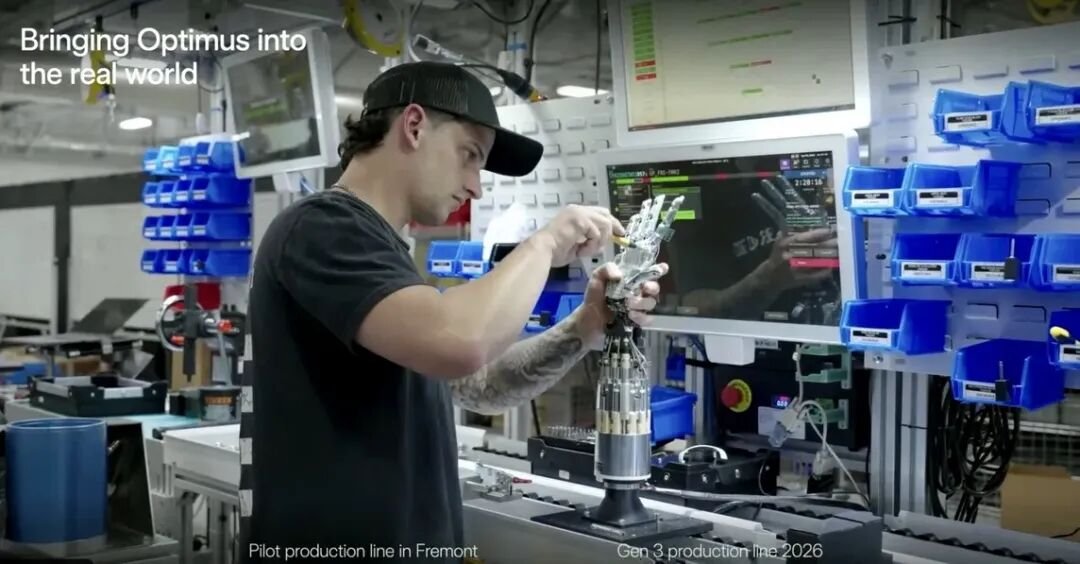
One leading indicator is worth tracking: the ramp slope of the Optimus line at Fremont, and the quarter-on-quarter direction of capital expenditure on Tesla’s income statement. The facility is the option. The line is the exercise.
So what is Tesla waiting for while holding $30 billion unspent? For Optimus to prove it deserves the money. The banks, the venture funds and the retail crowd have already paid in their confidence on its behalf.
Editor’s note: This is an adapted translation of the original OFweek report. It has been trimmed and restructured for readability for an international business audience. The full original (in Chinese) is at https://robot.m.ofweek.com/2026-10/ART-898890-8460-30708398.html.