Bosch will move its German mobility business into a separate limited liability company, the group said on 22 October, a structural change that leaves Europe’s largest car supplier answering to a shorter chain of command while its margins keep thinning.
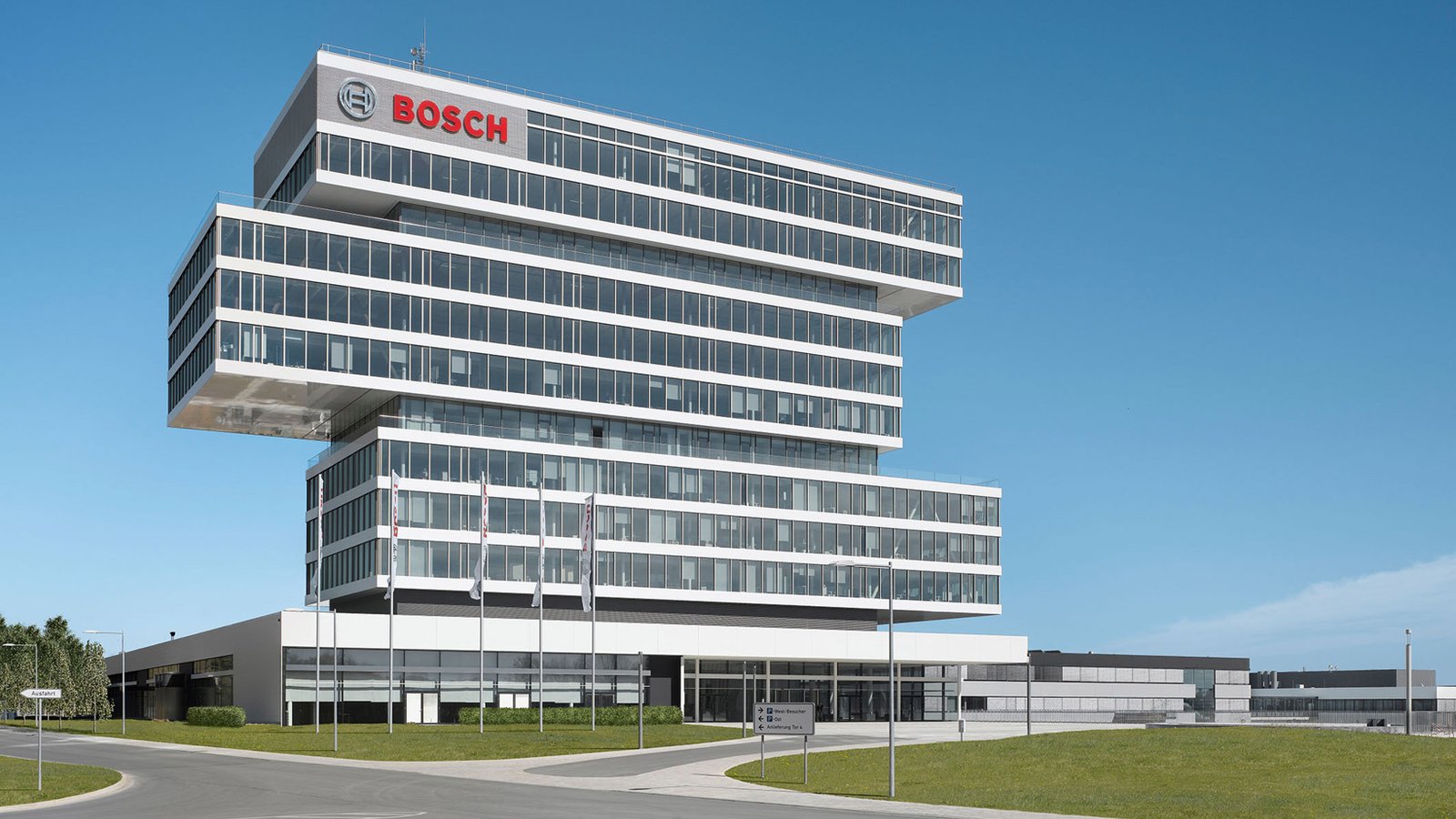
The new entity stays 100 per cent owned by the Bosch group. Bosch Digital, Global Business Services and Global Real Estate will also be separated out. The reorganisation applies to German operations only. The parent will keep headquarters functions and the central research and advanced engineering teams, which employ more than 3,000 people today.
Around 62,500 German employees move into the new subsidiaries, most of them from the mobility division. The changes run in stages to the end of 2027, and the new legal entity is scheduled to start operating on 1 August 2027.
Why a separate company
Chairman Christian Fischer framed the move around competitive pressure. Markets are getting harder, he said, and new competitors, especially from Asia, are raising the intensity. The new structure is meant to let the car parts business respond faster to market trends and adjust operations more consistently to what customers now ask for.
The step extends a reform started in 2024, when Bosch gave the mobility division its own leadership team and more operating autonomy. At the time the group argued that the shift to software-defined cars demanded faster reaction and a business reorganised around software, semiconductors and vehicle computers.
The numbers behind the reorganisation
Profitability is the real driver. Last year Bosch Mobility booked EUR 55.8bn in sales, roughly USD 65bn and more than 60 per cent of group revenue, while its operating margin fell from 3.8 per cent to 1.8 per cent. Bosch has said it needs to close a cost gap of about EUR 2.5bn a year to hit its profit targets.
Chinese competition is redrawing the benchmarks on both price and development speed. Huawei is investing heavily in driver assistance and keeps expanding into software, compute platforms and cockpit systems. CATL dominates the global battery market for electric cars. Traditional suppliers therefore have to fund expensive new technology while carmakers push them on price.
Bosch is already cutting hard. Last year, squeezed by weak orders and slower than expected EV demand, it announced plans to shed about 13,000 jobs, most of them in mobility. The pressure has not eased this year. First-half mobility sales slipped to EUR 27.8bn.
The reorganisation does not remove the underlying problem. A shorter decision chain helps a supplier move faster. It does not by itself close a EUR 2.5bn cost gap when the price floor is being set by competitors who build at Chinese speed.
Editor’s note: This is an adapted translation of the original Gasgoo report. It has been trimmed and restructured for readability for an international business audience. The full original (in Chinese) is at https://auto.gasgoo.com/news/202610/23I70475694C103.shtml.