The embodied AI sector in China has a measurement problem, and the industry is starting to say so out loud. By its own assessment, fewer than 5 per cent of humanoid projects can currently be run commercially.
That figure is the argument in a widely circulated commentary published by OFweek on 29 October, which reads less like industry promotion than an internal audit.
Demonstrations became the unit of account
The critique is specific. From large models bolted onto robot arms, through dexterous hands, mobile bases and full humanoids, the evaluation standard has converged on how well a launch event went, how much was raised, how much coverage followed and how clean the demo video looked.
Those are all things a company can control. What a customer needs is not on the list. The result is a sector where engineering cycles are consumed by parameter tuning, demo revision and promotional film work, leaving little time for the slower business of making a machine reliable in an environment nobody scripted.
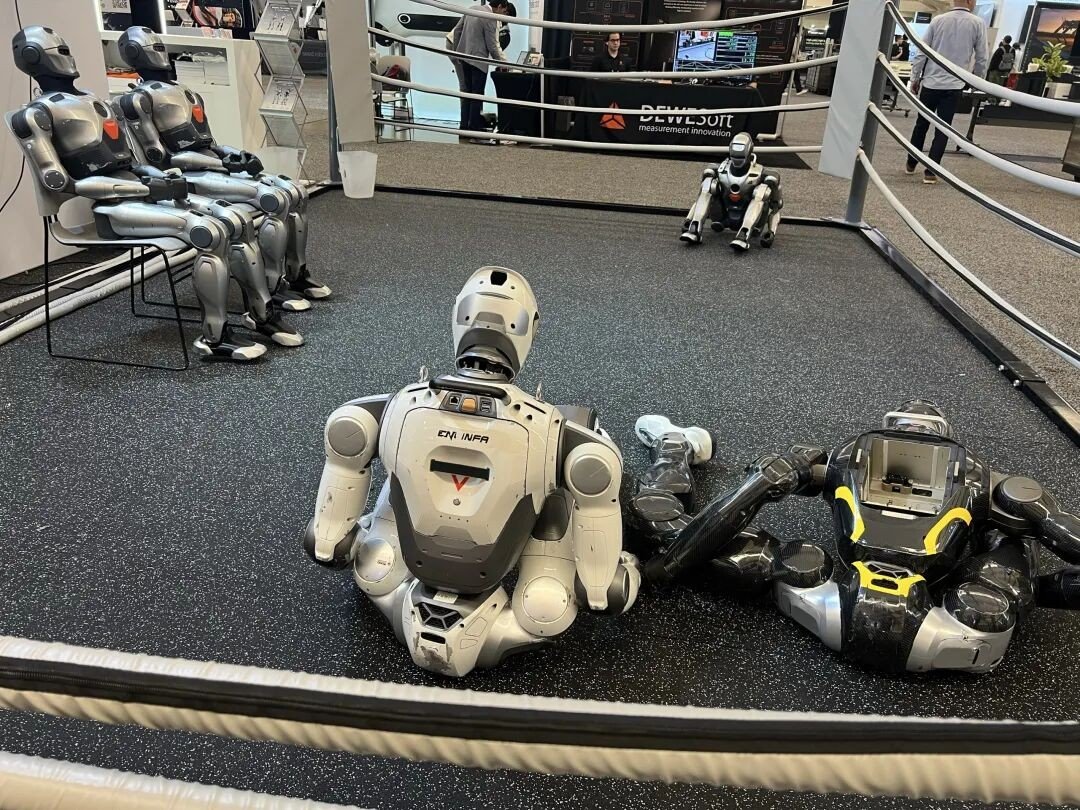
The downstream symptoms are already visible: prototype returns for repair, pilots that stalled, projects pushed out, headcount cut. High parameter counts, high-fidelity simulation and polished demonstrations have coexisted with high failure rates, expensive maintenance and poor robustness in unplanned conditions.
The gap is not technical, it is structural
A second criticism lands on resource distribution. The leading firms control top-tier compute, the best supply chain relationships, the largest research budgets and the flagship reference customers. Smaller component makers and startups compete for what is left.
Because the scoreboard is a demonstration, that inequality does not announce itself. Everyone appears to compete on the same terms. In practice the outcome is set early by compute and capital, and the smaller team burns more to produce the same video.
What the correction would look like
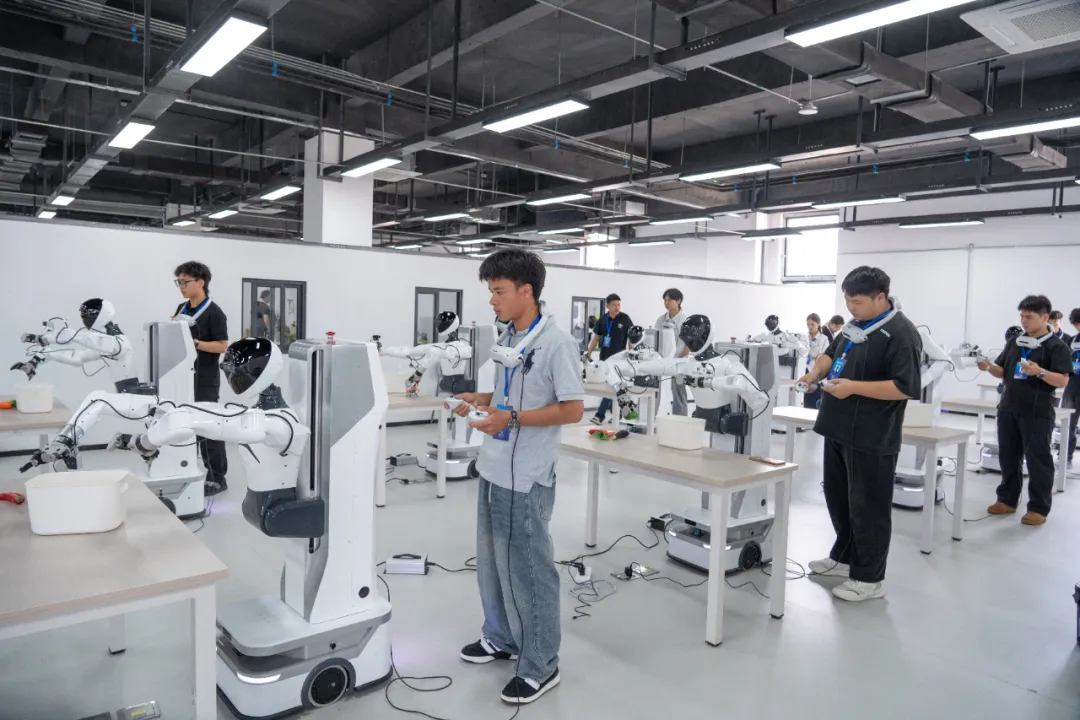
The proposal is to move the metric from what a robot can do once to what it can sustain. Continuous operating hours, fault reproduction rate, generalisation to new environments, and unit maintenance cost. A single successful grasp in a staged setting stops counting as a milestone.
On capital, the argument is that embodied AI is not pure software. It is bound to precision hardware, supply chains and on-site service, which makes it a long-cycle, capital-heavy business. Money should therefore go to bounded vertical scenarios such as factories, warehouses and inspection, where requirements are clear and a working cash flow can fund the next iteration, rather than to teams with a video and no customer.
On deployment, the recommended sequence is deliberately unambitious. Build special-purpose embodied equipment first, make one task stable and cheap, accumulate real interaction data, and only then widen the scope. The universal humanoid arrives last, not first.
The test is a Tuesday afternoon
None of this argues that embodied AI is a bad bet. It argues that the selection mechanism is measuring the wrong thing, and that capital is being allocated to the teams best at producing evidence rather than the teams best at producing uptime.
The sector’s own framing is that the winners will be the ones who leave the storytelling contest early and go and work on the unglamorous part: a machine that keeps running in a noisy factory on a Tuesday afternoon, when nobody is filming and the customer is counting the downtime.
Editor’s note: This is an adapted translation of the original OFweek commentary. It has been trimmed and restructured for readability for an international business audience. The full original (in Chinese) is at https://robot.ofweek.com/2026-10/ART-898890-8500-30709404.html.