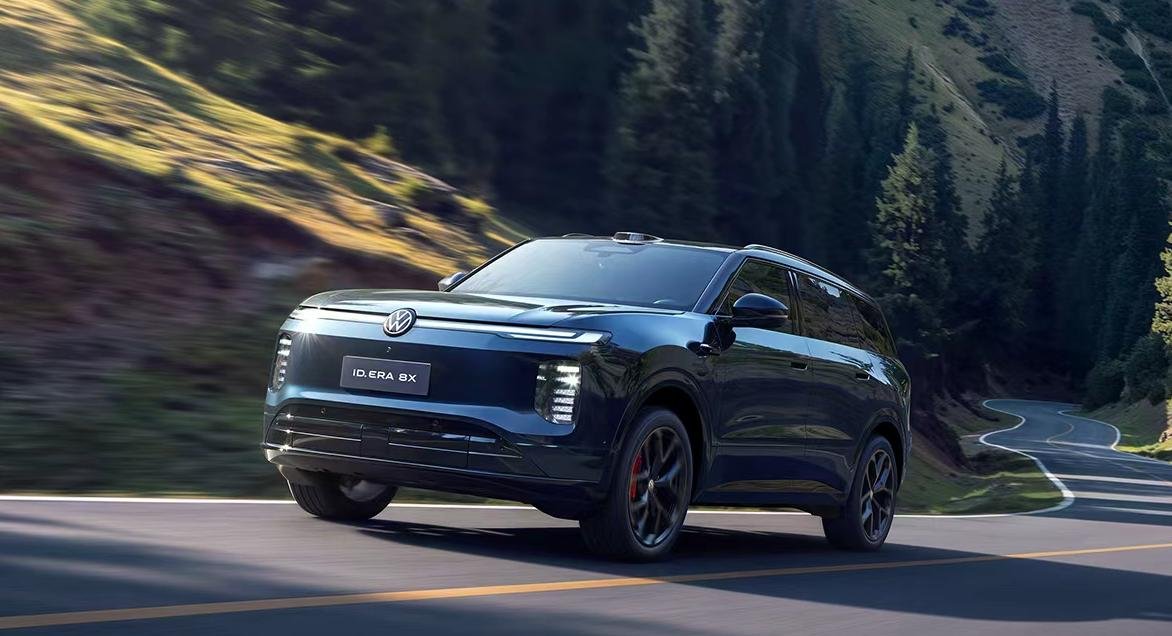
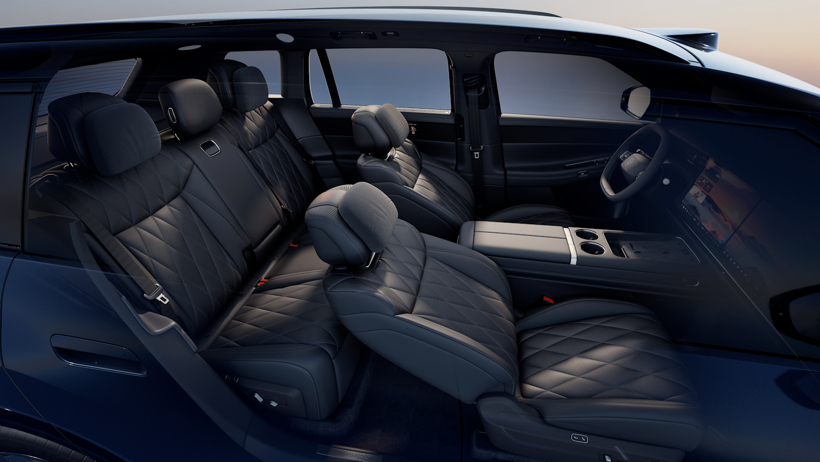
SAIC Volkswagen’s ID.ERA 8X went on sale this month. The model is a mid-large range-extended SUV and an important entry in the ID.ERA line, combining a range-extender powertrain with technology content in driver assistance, chassis control and the cabin. On the component side, it carries forward Volkswagen’s powertrain and chassis systems while drawing heavily on China’s local electrification and intelligence supply chain.
Powertrain and battery
The 8X uses what SAIC Volkswagen calls its golden range-extender system, developed from the EA211 1.5T engine with Miller cycle and variable turbine geometry. The generator’s maximum net power is 105 kW, and the model is offered in rear-drive and all-wheel-drive forms, the latter with a dual-motor layout.
Two battery capacities are available, 51.1 kWh and 65.2 kWh, both on an 800V high-voltage fast-charging platform. The long-range version uses CATL’s Xiaoyao super hybrid battery, with CLTC electric-only range of up to 451 km.
Driver assistance moves to a local partner
The 8X runs the Xingyun assisted-driving system co-developed by SAIC Volkswagen and Momenta, built on Momenta’s R7 world model and a front-facing 192-line lidar. It supports highway and urban navigation assistance and automated parking, subject to trim and feature rollout. Compared with Volkswagen’s earlier ID. models, the intelligence package shows a deeper role for Chinese technology firms in algorithms and perception hardware, with the carmaker handling platform development and system integration while specialist suppliers take software, perception and compute hardware.
Chassis keeps the German content
The chassis uses double wishbone front and five-link independent rear suspension, with Continental four-piston fixed brake calipers, and higher trims can add dual-chamber air suspension and continuously variable dampers. A vehicle motion control hub coordinates dynamic functions, with the air springs adjusting support and comfort across conditions and the dampers tuning themselves to driving state.
On core components, Vibracoustic supplies dual-chamber air springs and Baolong Technology the smart suspension reservoir, while Omos and SAIC Lianchuang provide brake-by-wire systems and related parts.
What the supplier map shows
From Volkswagen’s early ID. electric models to the ID.ERA 8X, the expansion of powertrain routes has brought engine-related supply chains back into new-energy vehicle programmes, while electric drive, battery and intelligence suppliers keep a central role. SAIC Volkswagen’s new-energy line-up is extending into range-extended vehicles, and the supply chain change is visible not only in the powertrain format but in the specific division of labour between Volkswagen’s existing powertrain resources and local battery, driver assistance and chassis suppliers.
As range-extended products enter joint-venture new-energy line-ups, a carmaker’s ability to integrate powertrain technology, intelligence packages and the supplier system becomes a useful lens on product competitiveness. The engine returns, the battery is Chinese, the intelligence is Chinese, and the integration and the badge remain Volkswagen’s.
Editor’s note: This is an adapted translation of the original Gasgoo report. It has been trimmed and restructured for readability for an international business audience. The full original (in Chinese) is at https://auto.gasgoo.com/news/202610/30I70476272C107.shtml.