Hong Kong’s top jobs increasingly require Mandarin. The strange part is that it took nearly 30 years.
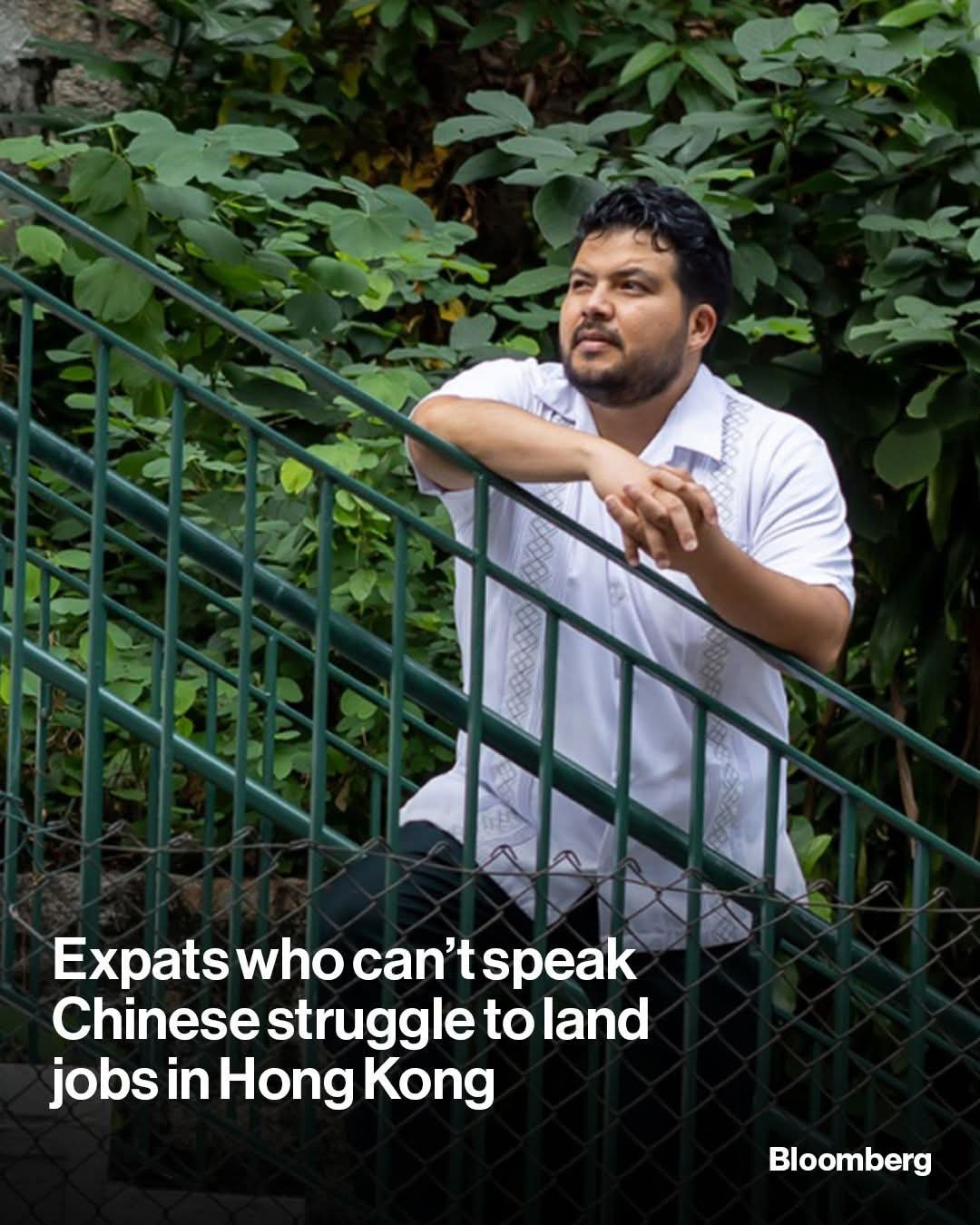
A Bloomberg feature published on 29 October reports that expats who do not speak Mandarin are being shut out of senior roles in the city. A recruiter quoted in the piece says candidates without it now face a much harder path.
For most of the years since the 1997 handover, bankers ran dealmaking franchises in Central with neither Mandarin nor Cantonese, in a Cantonese-speaking city whose biggest clients spoke Mandarin. So the useful question runs the other way. Who was clearing the language bar for them all along?
Someone else always spoke Chinese
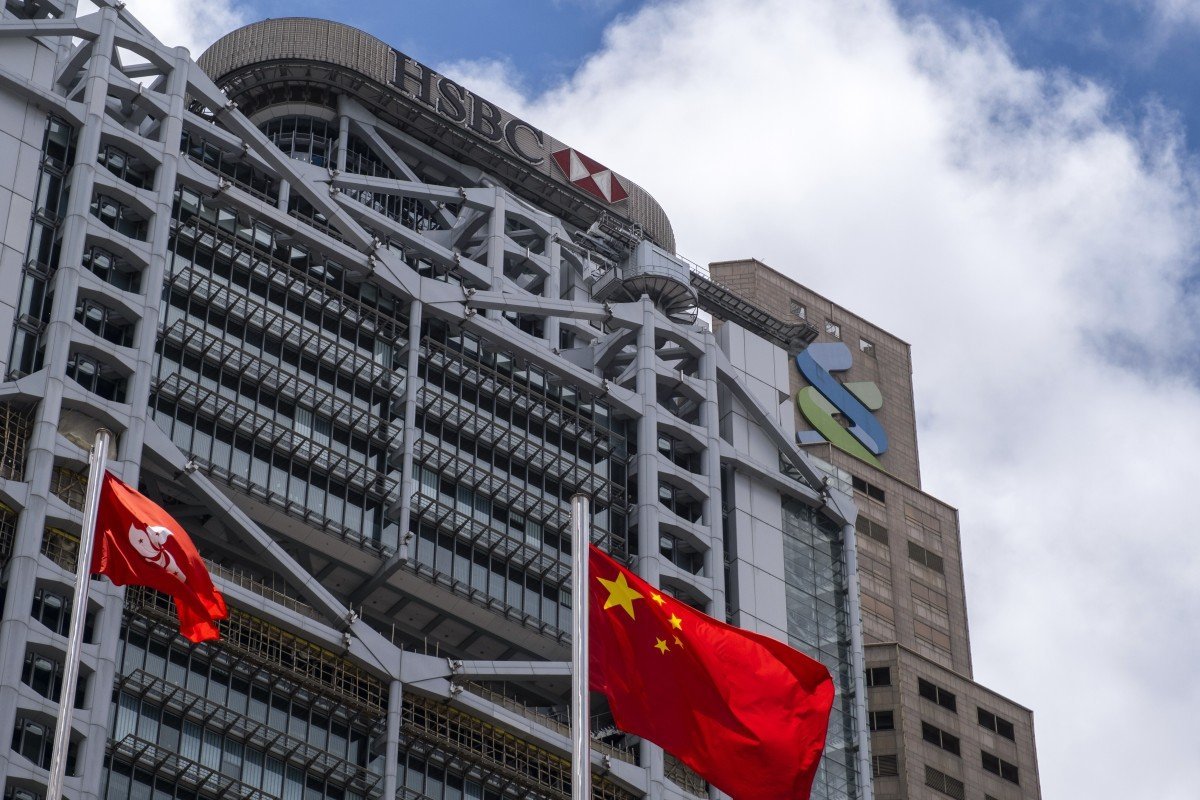
HSBC was founded in Hong Kong in 1865. For almost a century its Chinese business ran through a compradore, a Chinese local manager who hired the local staff, brought in Chinese customers, guaranteed their borrowing and read the market for the bank, so the British managers upstairs never needed a word of Chinese. The bank’s own archive records how it ended. In 1960 the title was declared “an anachronism” and dropped.
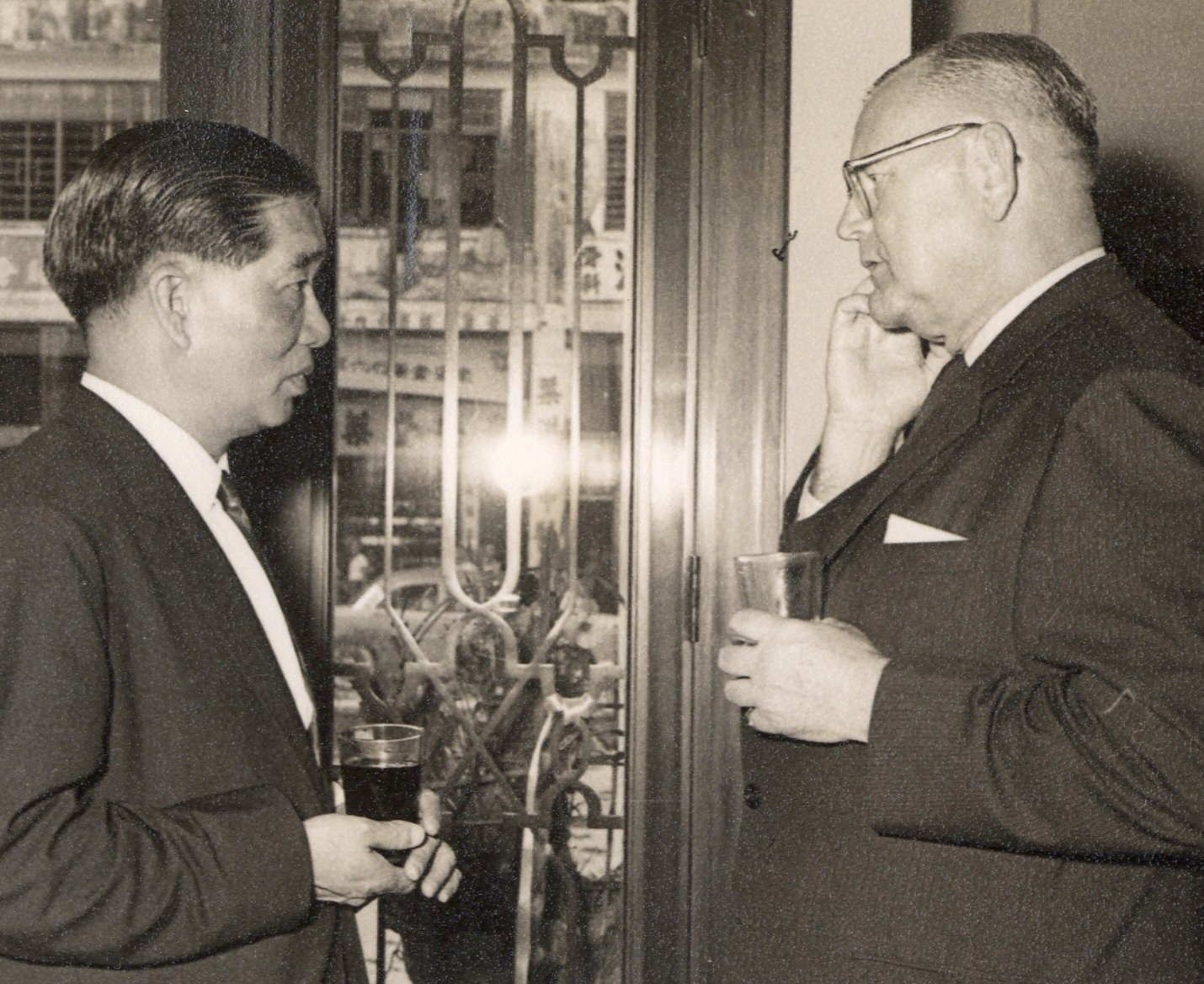
The function outlived the title. In Central’s investment banks it passed to a bilingual layer of vice-presidents and associates, who worked the mainland client in Mandarin and wrote it up in English. The managing director set the strategy, signed off and flew back to report to London or New York.
Then the client paid for the translator
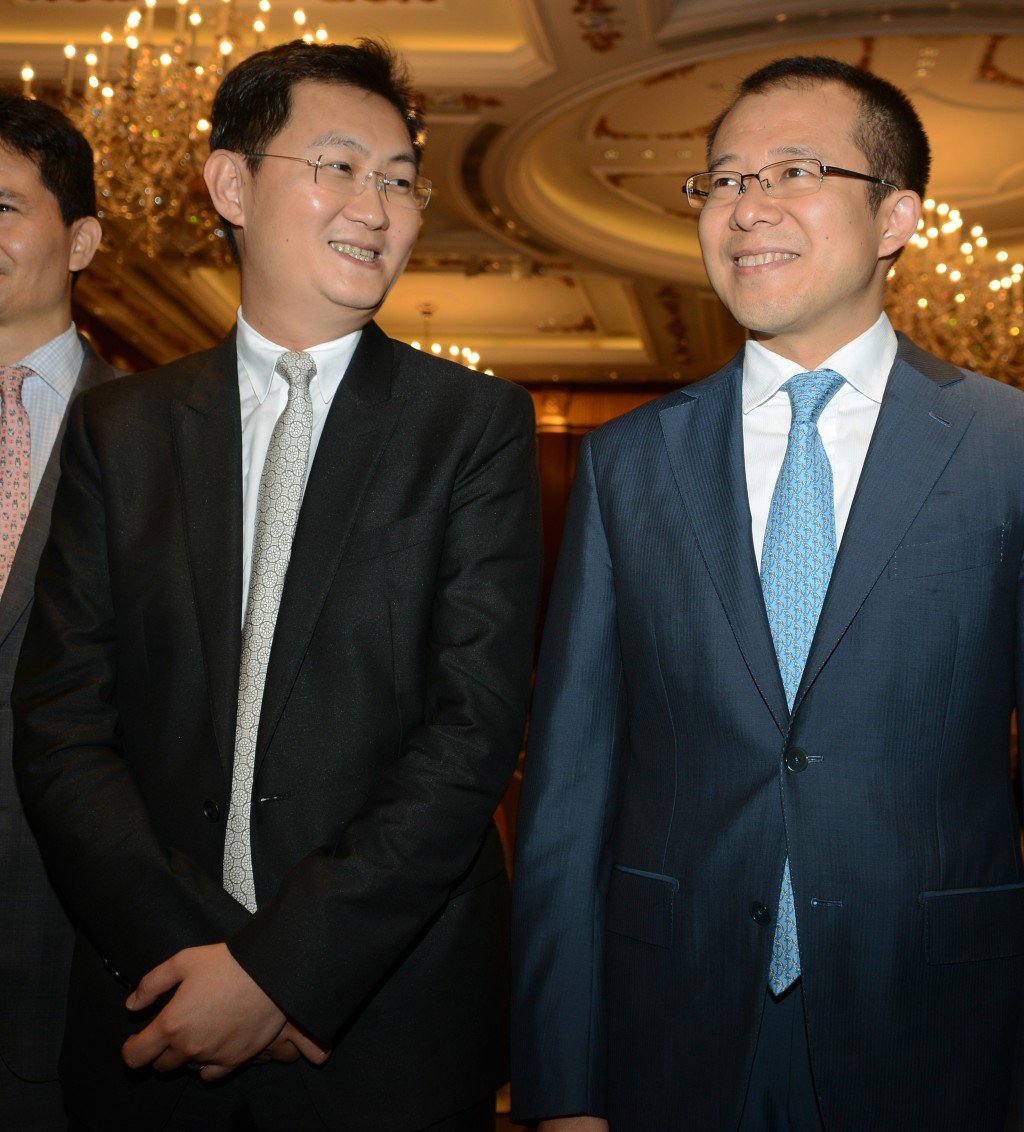
In the Alibaba and Tencent years, Chinese founders came to Hong Kong to ask for money. International funds wrote the cheques and Wall Street banks priced the deals, so the founders hired their own translators. Alibaba had Joe Tsai, a Yale-trained lawyer who left Investor AB to join Jack Ma in 1999. Tencent recruited Martin Lau from Goldman Sachs’ Asian technology banking team in 2005, a year after its Hong Kong listing. The Central banker only had to carry their English to London and New York.
The new generation starts at the frontier, and Central queues for it. Zhipu, born in a Tsinghua University lab, debuted in Hong Kong on 8 January, billed as the world’s first listed large-model developer. MiniMax followed the next day. KPMG counts HK$388 billion raised by 116 Hong Kong IPOs in the first nine months of 2026, more than half of it by high-tech companies in AI, chips and robotics. These founders may not have found their Joe Tsai yet. They may not be looking.
Liang Wenfeng told Waves in 2024 that nobody on the team behind DeepSeek’s V2 model had come back from overseas. “They are all local,” he said. Suppose you want the mandate if DeepSeek ever lists in Hong Kong. Without fluent Mandarin, nine times out of ten it goes to someone else.
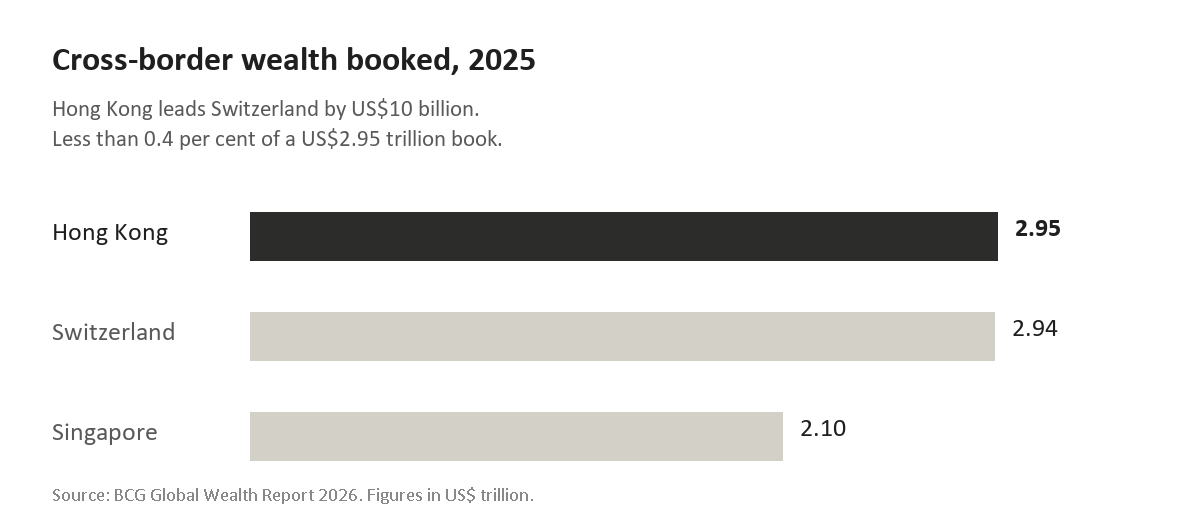
The league tables already show it. In December 2025 the top four IPO arrangers in Hong Kong were all Chinese banks, with Morgan Stanley fifth, according to Bloomberg data. A decade earlier, Goldman Sachs, Morgan Stanley and UBS all sat in the top five. The money is moving the same way. BCG says Hong Kong overtook Switzerland in 2025 as the world’s largest cross-border wealth hub, with US$2.9 trillion booked, helped by mainland inflows.
The most tolerant hub
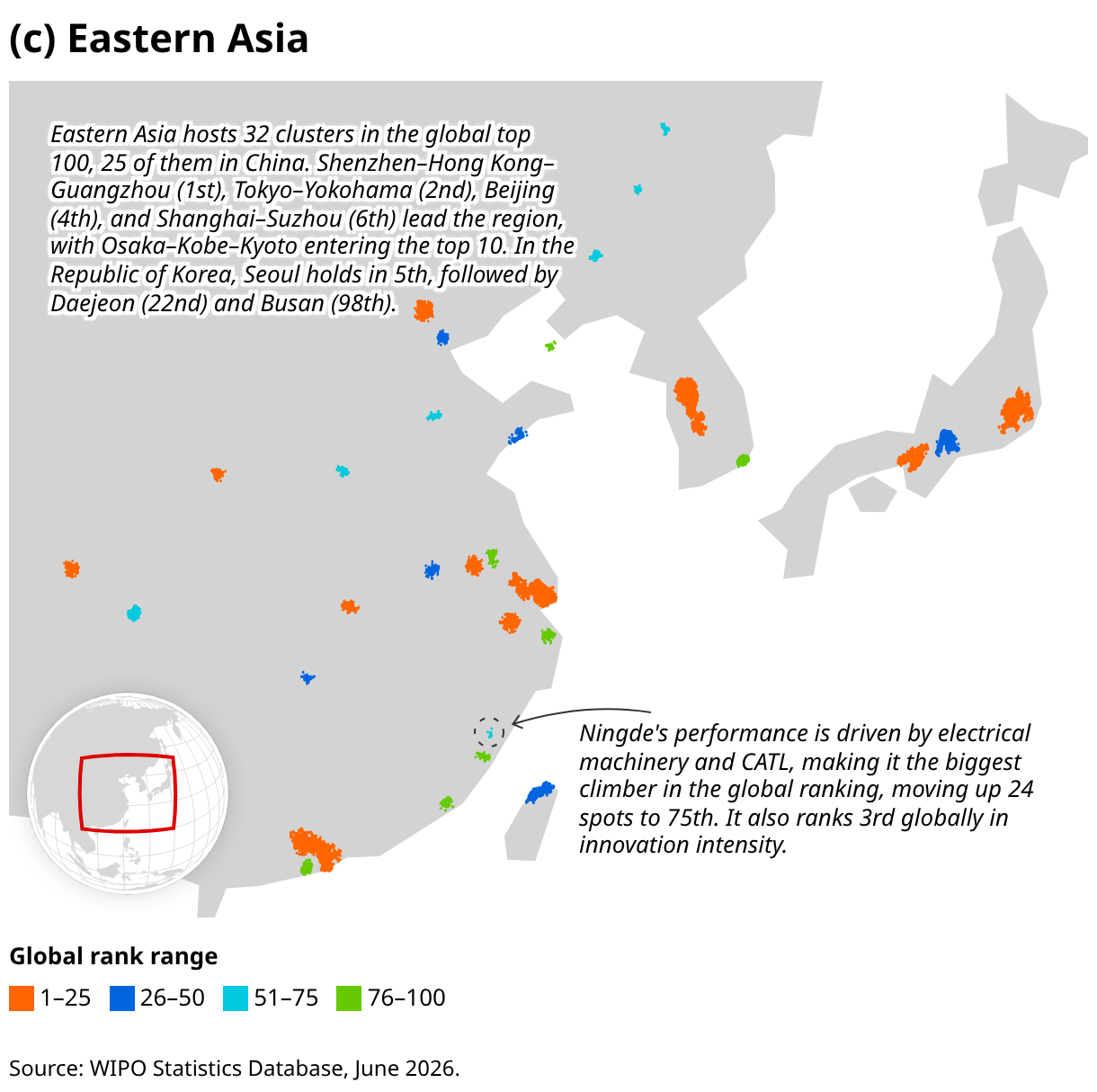
WIPO’s Global Innovation Index has ranked the Shenzhen-Hong Kong-Guangzhou cluster the world’s top science and technology cluster two years running, ahead of Tokyo-Yokohama and San Jose-San Francisco. Set Hong Kong beside Tokyo and Silicon Valley and it is the most tolerant of the three about language.
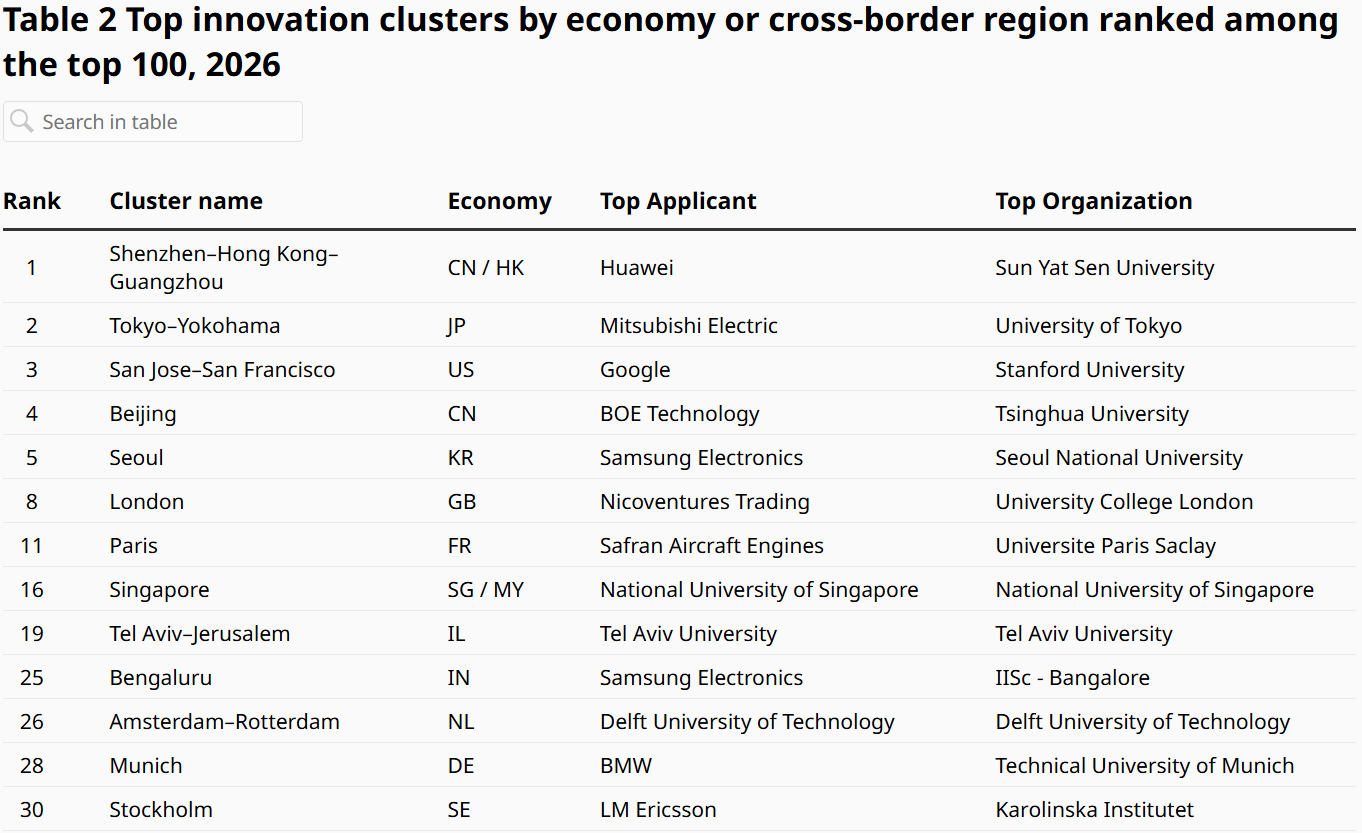
Could you join Goldman Sachs in New York, Meta in Menlo Park or Arm in Cambridge without a word of English? You would not get through the first interview. You may not even get the visa.
Hong Kong asks for nothing of the kind. You can arrive speaking neither Cantonese nor Mandarin.
On day one, that is hospitality. In year ten, it is a choice.
Asking the people in its top jobs to speak the clients’ language does not make Hong Kong less open. It makes Hong Kong normal.
“Expat” is the wrong word now
“Expat” belongs in the same drawer as “Far East”. Both only make sense if you are standing in London or New York. The word assumes that home is somewhere else and this is a posting. The other way around? You might see some frowns if the word migrant were used.
Hong Kong is not far from anything now, and it still needs foreigners, plenty of them. The ones it needs most make it the main stage of their lives. They are Hong Kongers by choice, whatever their passports, and the city has a long line of them. Lawrence Kadoorie, whose family came east from Baghdad by way of Bombay, became the first Hong Kong-born life peer in 1981. Jehangir Ruttonjee, born in Bombay, founded a tuberculosis sanatorium in 1949 that still treats patients in Wan Chai as Ruttonjee Hospital. Nobody calls either family expats.
What Hong Kong needs less of is the expat as Central knew the type, who lived above the city rather than in it: a head-office package, a flat in the Mid-Levels, a working life conducted entirely in English.
Bloomberg’s lead case is not that person. He is a Mexican MBA graduate applying for operations and project-management roles and getting few replies. His problem is real, and it is a different story. The top-jobs story sits in a quieter line from a recruiter: the pool of senior roles for expatriates has thinned.
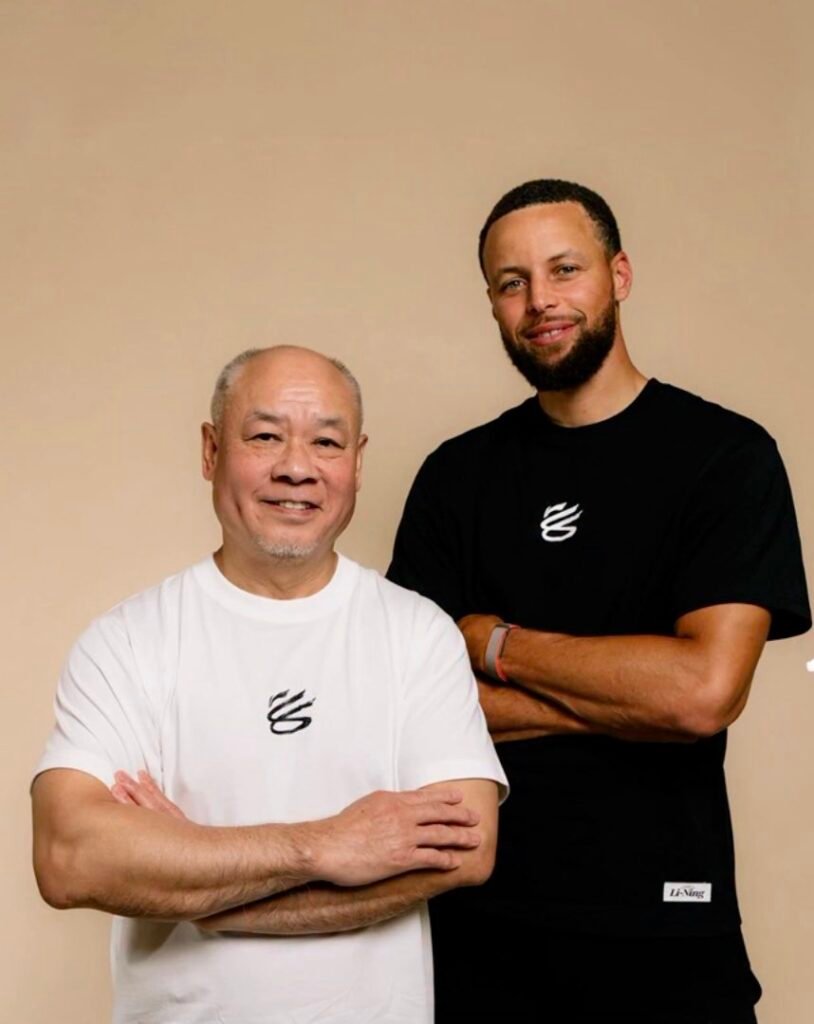
The foreigners Hong Kong needs at the top now work for China’s companies, or build their own inside the mainland’s supply chain. When Li-Ning signed Stephen Curry in June, a sportswear company from Beijing committed to growing Curry Brand worldwide.
The American executive at Li-Ning International who spent five months in tough negotiations to land Curry speaks fluent Mandarin. His job sits between Curry’s camp, which works in English, and a headquarters in Beijing that works in Mandarin.
The foreign founder building hardware in the Greater Bay Area spends the week on factory floors in Shenzhen and Dongguan, with engineers and mould makers who will not switch languages for anyone.
Try doing either job without Mandarin.
The only exemption is maths
Bloomberg’s piece does name an exception: quantitative traders and some hedge fund roles, where performance can outweigh language. I would add one more. The Silicon Valley investor trained at MIT or Caltech, who can read a company’s alpha off its arXiv papers and patent filings, can still land a top job in Hong Kong in English alone. Engineer-founders will argue attention costs and roller-screw loads at a whiteboard with anyone who can keep up, and at a whiteboard the common language is mathematics.
Both exemptions describe the same test. The candidate who fails it is the Wall Street generalist whose edge was a DCF model, a polished accent and a contact book in New York. The one who still thinks a transformer is an Autobot.
The last compradore
Peter Lee Shun Wah, HSBC’s last compradore, saw his title retired in 1960. Sixty-two years later, Georges Elhedery, who would become the bank’s chief executive in 2024, spent part of a six-month sabbatical learning Mandarin. Between those two men, the work of translating moved from the bank’s payroll to the client’s.
Now it is on nobody’s.