Four Chinese carmakers have spent the past year telling investors they will develop their own batteries. Li Auto, Xiaomi, Leapmotor and XPeng have all made the commitment in public. None of them manufactures cells.
All four have taken the same route: joint ventures with battery producers to build cell lines, rather than owning the cell process themselves. That gap is why a large part of the industry reads self-developed battery as a marketing phrase with a procurement strategy attached.
Why the appetite is real
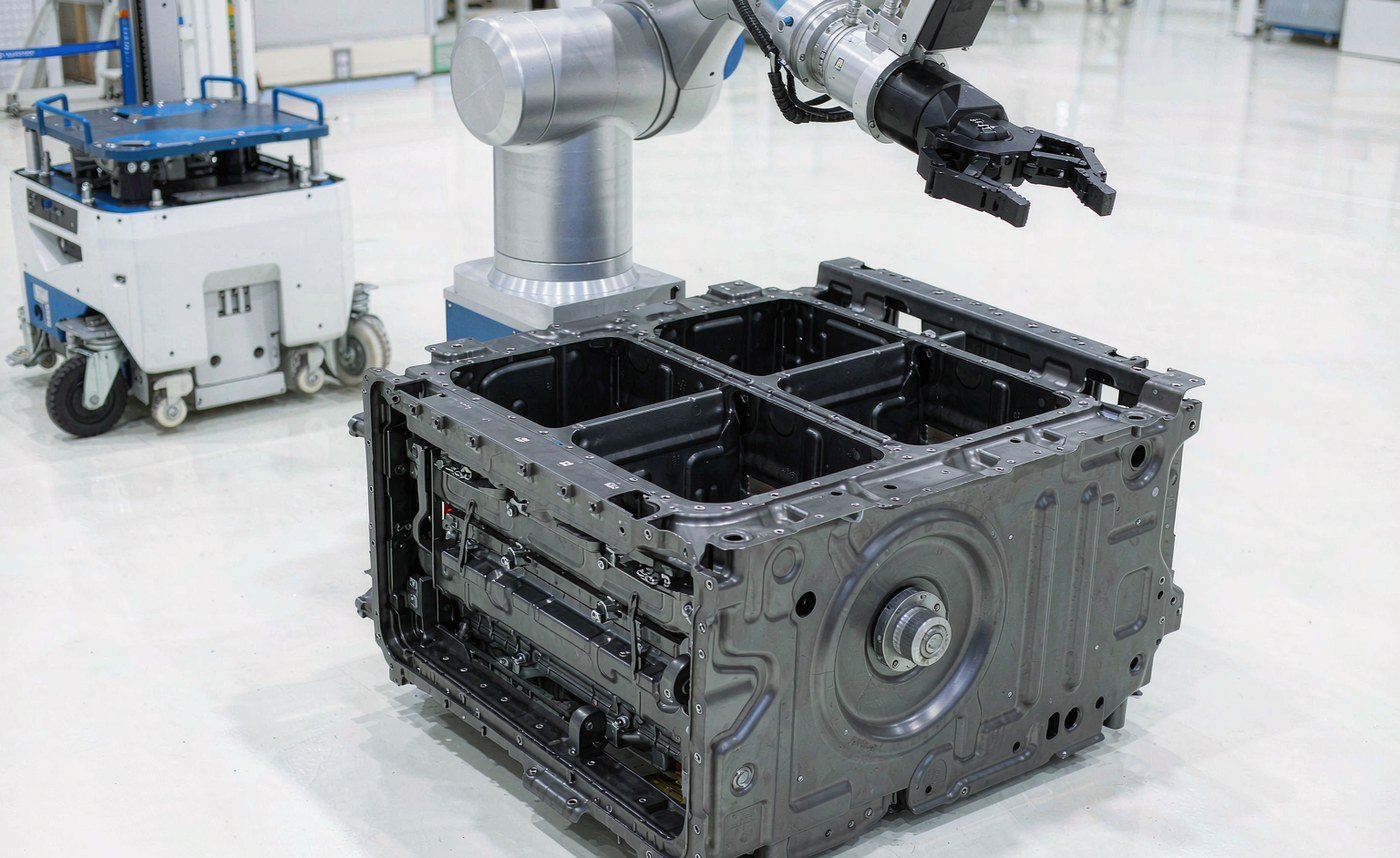
The commercial motive is not vanity. A battery pack accounts for 30 to 40 per cent of an electric vehicle’s bill of materials, which makes it the largest and most valuable single component in the car.
Two further pressures push carmakers toward control. Supply stability matters more for batteries than for almost any other part, because a cell shortage stops the entire line. And when a thermal incident occurs, the question of who owns the liability becomes an existential argument between the carmaker and the supplier.
Dong Peng, a senior management consultant, put the distinction precisely: what carmakers want is not the whole chain from ore to cell, but the right to define the battery, integrate the system, guarantee quality and iterate on data. The test of a genuine programme, he argued, is not whether a cell plant exists, but whether the company can explain its design logic, carry the quality liability and feed each batch of field data into the next product.
The one company that qualifies
Measured by the strict standard of making cells and supplying them at volume, only BYD clears it.
BYD entered the car business from batteries, not the other way round. Its FinDreams unit supplies mostly BYD’s own vehicles, and the company has been working the cell chain since the 1990s. No other Chinese carmaker has that history.
The rest of the industry faces a structure that took two decades to build. The full chain, from lithium processing through cathode and anode materials, separators and electrolytes to cell development, pack assembly and recycling, sits with the battery specialists. CATL’s scale in that chain is not replicable by a carmaker adding a department.
What this means for the supply chain
The realistic outcome is a split in bargaining power rather than a wave of vertical integration.
Carmakers will keep taking pack design, thermal management, battery management software and the data layer in house, because that is where differentiation and liability sit. Cell manufacturing will stay with the specialists, with joint ventures used to guarantee allocation rather than to acquire process knowledge.
For CATL and its peers, that is a better outcome than the headlines suggest. Losing pack assembly is a margin loss. Keeping the cell process is the moat.
Editor’s note: This is an adapted translation of the original 36Kr report. It has been trimmed and restructured for readability for an international business audience. The full original (in Chinese) is at https://36kr.com/p/4058221239882887.