The Nasdaq Composite closed down 5.52 per cent on the night of 5 November, Beijing time. AI chip names were sold. So were the companies whose business is renting out data centre capacity, and they fell harder.
IREN lost about 17 per cent. Nebius fell around 15 per cent. CoreWeave dropped alongside them. The market was not repricing demand for compute. It was repricing the assumption that the buildings will exist on schedule.
What changed in a week
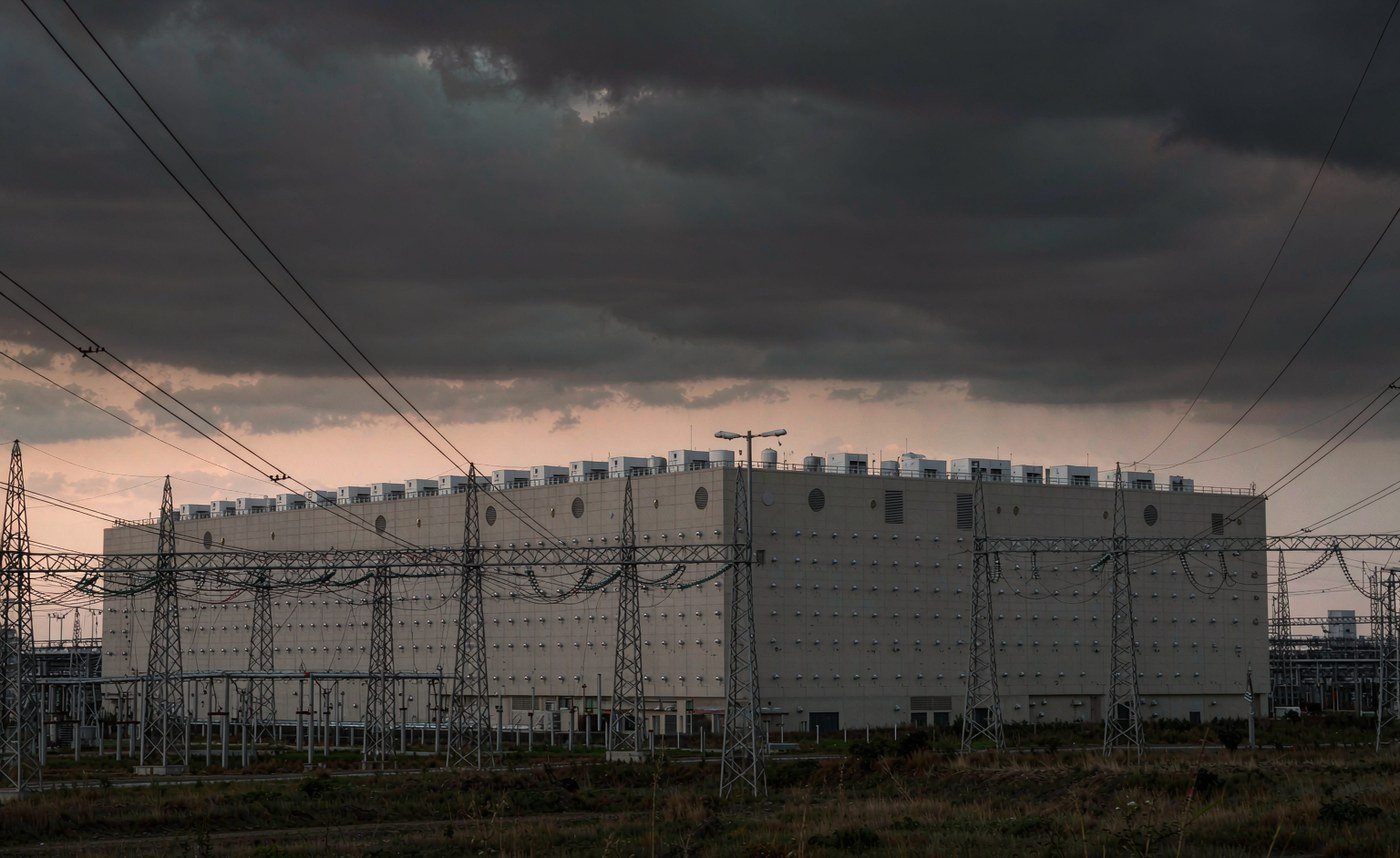
Data centre projects worth tens of billions of dollars were, until recently, the sort of investment local governments competed to attract. That calculus is shifting as the physical footprint becomes visible to residents and to local politics.
The clearest example is Texas. The state’s newly elected governor had proposed pausing new data centre projects until the legislature sets rules for the industry. Analysts at UBS estimate that a pause of that kind could affect roughly 30 per cent of the new capacity the United States is expected to add in 2028.
That estimate is the reason the sell-off hit operators rather than chipmakers hardest. A chip order can be deferred without immediate damage. A building that cannot be permitted is a different problem.
The mechanics of the damage
Three consequences follow in sequence.
If a facility cannot enter service on time, the operator has to postpone delivery of compute to customers. Revenue slips, and the payback period on construction extends. Large buyers who had planned products around that capacity must revise those plans, which in turn feeds back into chip procurement as revised or cancelled orders.
The acute stress sits with companies that borrowed to expand and intended to service the debt from capacity rentals. Interest accrues from the day the money is drawn. If the revenue start date moves, the financing structure does not adjust itself, and equity absorbs the difference. That is precisely the profile of the three names that fell double digits.
Even the largest operators are not insulated. Their advantage is a balance sheet that can absorb delay, not an exemption from permitting.
The constraint nobody modelled
For two years the assumption across the AI supply chain has been that the binding constraint is advanced silicon, then capital, then land and power. All of those are purchasable with enough money and enough time.
Political permission is not. It is granted by county boards, state legislatures and governors who answer to voters rather than to hyperscalers, and it can be withdrawn faster than any supply chain can respond.
That is why a 30 per cent capacity estimate from a single analyst note moved hundreds of billions of dollars in a session. The market has begun pricing a risk it had treated as unquantifiable, and the companies most exposed are the ones with the least room to wait.
Editor’s note: This is an adapted translation of the original 36Kr report. It has been trimmed and restructured for readability for an international business audience. The full original (in Chinese) is at https://36kr.com/p/4059211837003656.