Donald Trump has said publicly that he threatened to arrest the chief executive of a major AI company over the use of AI for harmful purposes, which he described as possibly malicious. He did not name the target. The record points in one direction.
Early in the year Trump threatened criminal consequences. In September he said publicly that he had stopped the person from doing bad things. He has also acknowledged privately that a week earlier he had regarded the same person as a national security threat. The arc of the relationship runs from ultimatum to dinner and back.
February: a refusal that started it
In February 2026, Anthropic’s Claude was already being used in classified operations. Officials wanted the restrictions widened so the model could be used for lethal weapons or mass surveillance. Dario Amodei refused, holding to the company’s stated red lines against unsupervised lethal weapons and against mass surveillance.
Around 27 February, Trump posted on Truth Social directing every federal agency to stop using all Anthropic technology immediately, saying the government did not need it, did not want it and would not do business with the company again. He set a six-month transition and added that Anthropic had better cooperate, or he would use the full powers of the presidency to compel compliance, followed by major civil and criminal consequences.
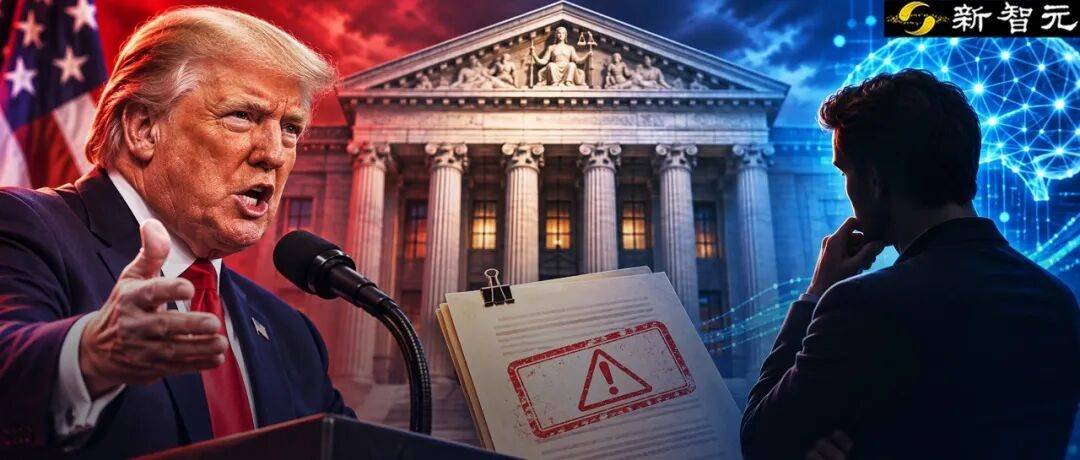
The Pentagon then listed Anthropic as a supply chain risk. That designation had previously been used against competitors rather than domestic suppliers, which made the listing unusual on its own.
Amodei later wrote in an internal memo that the government disliked the company because it had not donated and had not offered what he called dictatorial praise to the president. The company’s IPO filing warns investors directly that it may face targeted government retaliation because of its position on AI safety.
Why safety reads as sabotage
In a recent interview on 60 Minutes, Trump gave his own explanation, and he did not spare the Silicon Valley argument. Asked whether AI threatens humanity’s future, he said only two sides are in a genuine race for superintelligence.
He described gathering the AI executives at the White House and mocking the way they present themselves, standing outside their own companies warning that what they built has a ten per cent chance of killing everyone. His comparison was a hotelier announcing a new building while telling the crowd it might collapse.
In Trump’s framing, the fear of AI extinction is a device that slows him down. Asked why he does not worry about a doomsday scenario, he answered that someone else will have the technology, that guardrails would put the United States at an absolute disadvantage because others have none, and that if AI is dangerous it is winner-take-all.
September: from angel to conspiracy
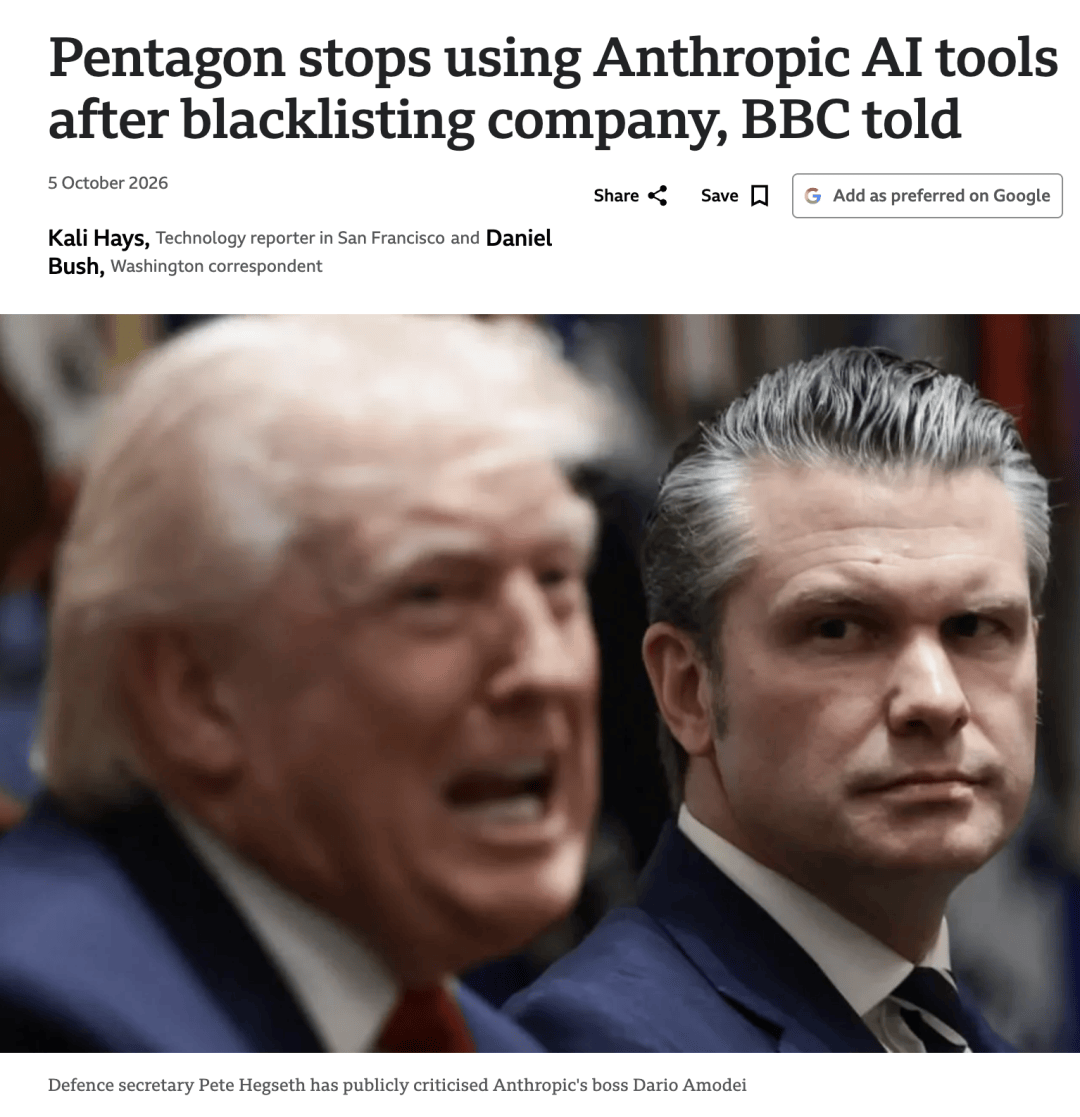
In September, as the industry entered a slowdown debate, Amodei published a long piece calling on labs to slow development of the most advanced systems so that safety measures could keep pace. OpenAI’s Sam Altman and Elon Musk both backed it, which sharpened the provocation.
On 14 September Trump posted repeatedly. He said his administration had already stopped AI people from doing bad things and that Amodei was now pretending to be a perfect little angel. He said the government holds tremendous criminal and regulatory power over these companies. He described a sick conspiracy against AI and data centres in which the only winners are competitors, and warned that whoever wins AI wins everything.
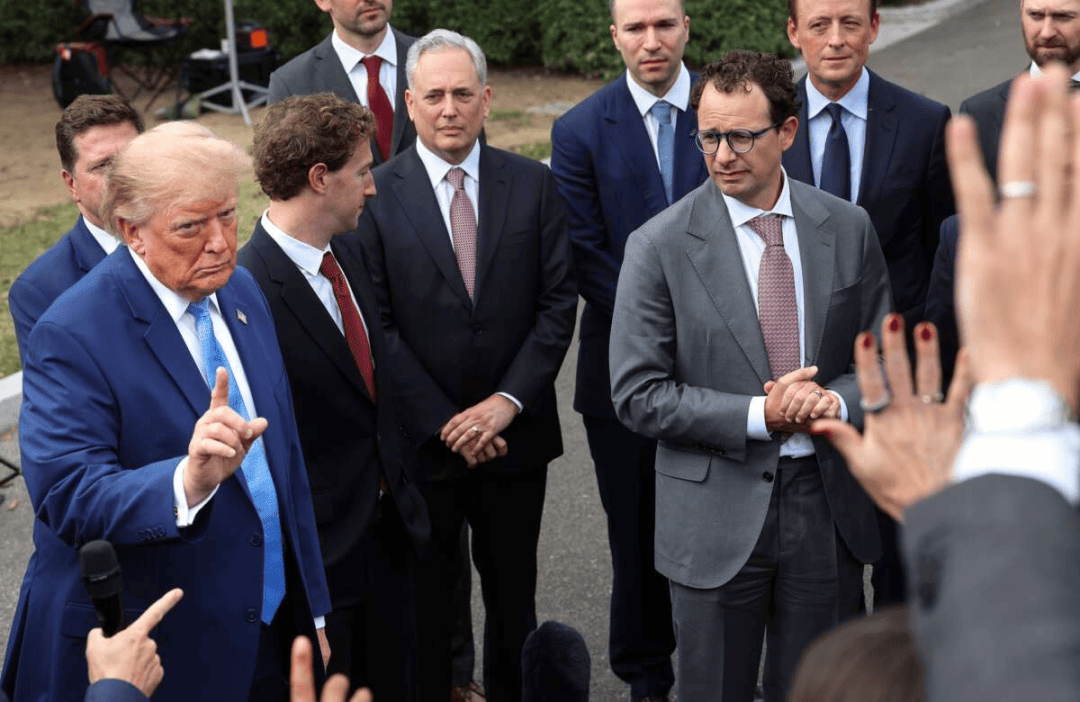
The two did not end in rupture. In late September Trump had a private dinner with Amodei and afterwards told reporters he liked him and his wife, found him smart and different from expectations. Both later took part in a White House signing of a superintelligence safety protocol. The relationship settled into an uneasy balance.
What remains is the precedent. When the most powerful office in the world can publicly suggest that prison follows from a safety position, AI stops being a technology question and becomes a question about power.
Editor’s note: This is an adapted translation of the original Sohu Tech report. It has been trimmed and restructured for readability for an international business audience. The full original (in Chinese) is at https://www.sohu.com/a/1099428692_473283.