Solid-state batteries get announced at press conferences. They get made or not made on pilot lines, and Gotion High-Tech used a conference in China to put numbers on the pilot line.
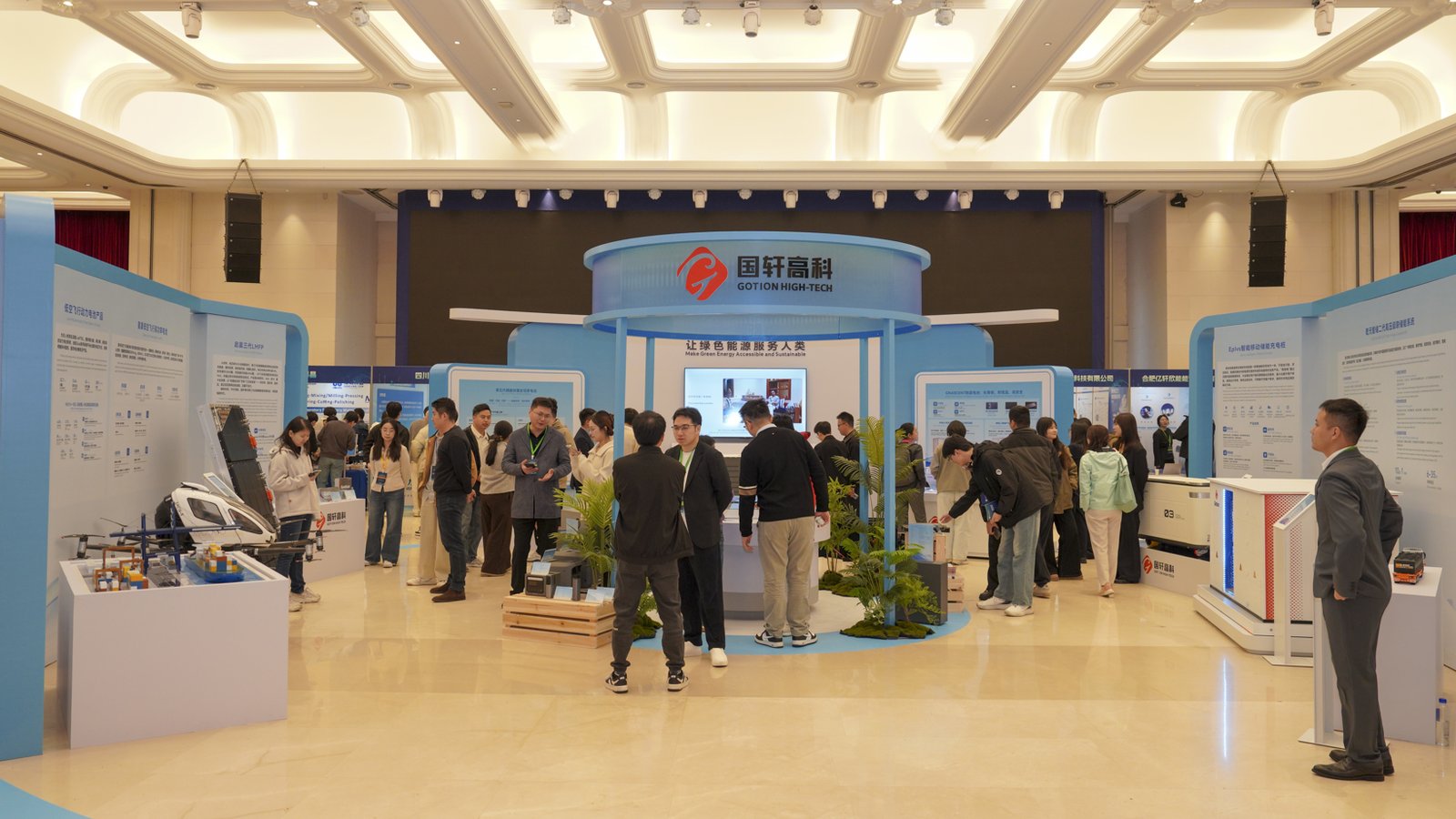
Speaking at the 17th International Advanced Electric Vehicle Lithium Battery Conference, the company’s solid-state programme lead Pan Ruijun set out where the sulphide route now stands. The electrolyte film has come down to 35 microns. Cell densification is up more than 20 per cent. Interfacial impedance has fallen by more than 99 per cent. Cell yield has passed 90 per cent. The pilot line is producing cells in batches.
The process detail is the story
The company has closed the material, electrode and cell process chain on sulphide solid electrolyte, including the equipment. Slurry stability improved through semi-dry mixing and a new solvent system. Warm isostatic pressing did the densification work. The pack side is moving towards lower stack pressure and lighter structures.
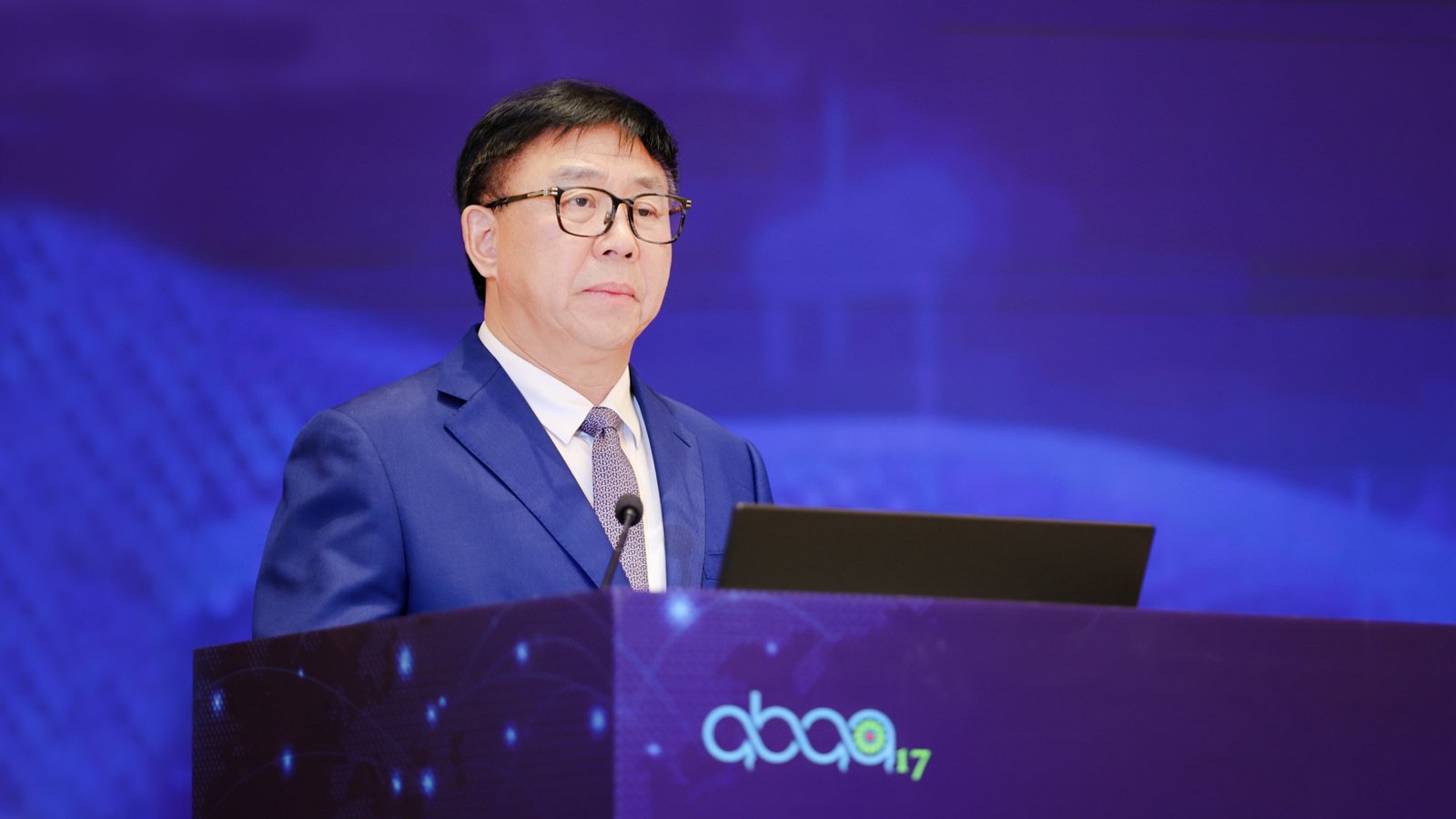
Zhou Fu, head of the industrial research institute, framed the capacity plan against demand approaching 5 terawatt hours by 2030. Gotion has eight global research centres and 20 production bases, and continues to push high-compaction lithium iron phosphate and high-voltage single-crystal ternary materials alongside the solid-state line.
LMFP as the bridge
On lithium manganese iron phosphate, Fang Yaoguo described how the company worked around low conductivity, lattice instability and manganese dissolution using particle nanonisation, dual-ion doping, particle size grading and surface structuring. The third generation Qichen LMFP cell now reaches more than 205 Wh per kg and charges to 70 per cent in ten minutes, with low-temperature performance that the chemistry used to lack. On passenger cars that buys power density. On commercial vehicles it buys weight.
Chairman Li Zhen used his opening address for a different argument, that innovation has to connect the zero-to-one breakthrough with the one-to-hundred application work so that frontier technology becomes a safe product.
The number worth watching is not 35 microns. It is 90 per cent yield on a pilot line, because yield is what converts a demonstration into a cost per kilowatt hour. Sulphide solid state has been a laboratory claim for a decade. A batch-capable line with a yield figure attached is a manufacturing claim, and manufacturing claims are the ones that European cell programmes have to answer.
Gotion is also the company Volkswagen bought into, so the yield number matters beyond China. It sets the date at which a German-assembled pack can be quoted against a sulphide cell rather than a liquid-electrolyte one.
Editor’s note: This is an adapted translation of the original Gasgoo report. It has been trimmed and restructured for readability for an international business audience. The full original (in Chinese) is at https://auto.gasgoo.com/news/202611/10I70477482C501.shtml.