A chat assistant forgets you the moment the window closes. The product ByteDance is now building does not, and that difference is where the competitive ground has moved.
Bloomberg reported that ByteDance is preparing a personal AI agent comparable to Meta’s Muse, with the explicit aim of taking Doubao beyond conversation and turning it into an assistant that remembers what a user needs, plans the steps and executes them.
The project is older than the report
Caixin reported earlier that ByteDance started an internal project codenamed Spell in April 2026, run by the Doubao phone assistant team, to explore what a personal AI assistant should be. After Meta introduced Muse in early September, ByteDance accelerated the work and arranged for Spell to collaborate with the Doubao conversation team, with the functionality to be integrated into Doubao.
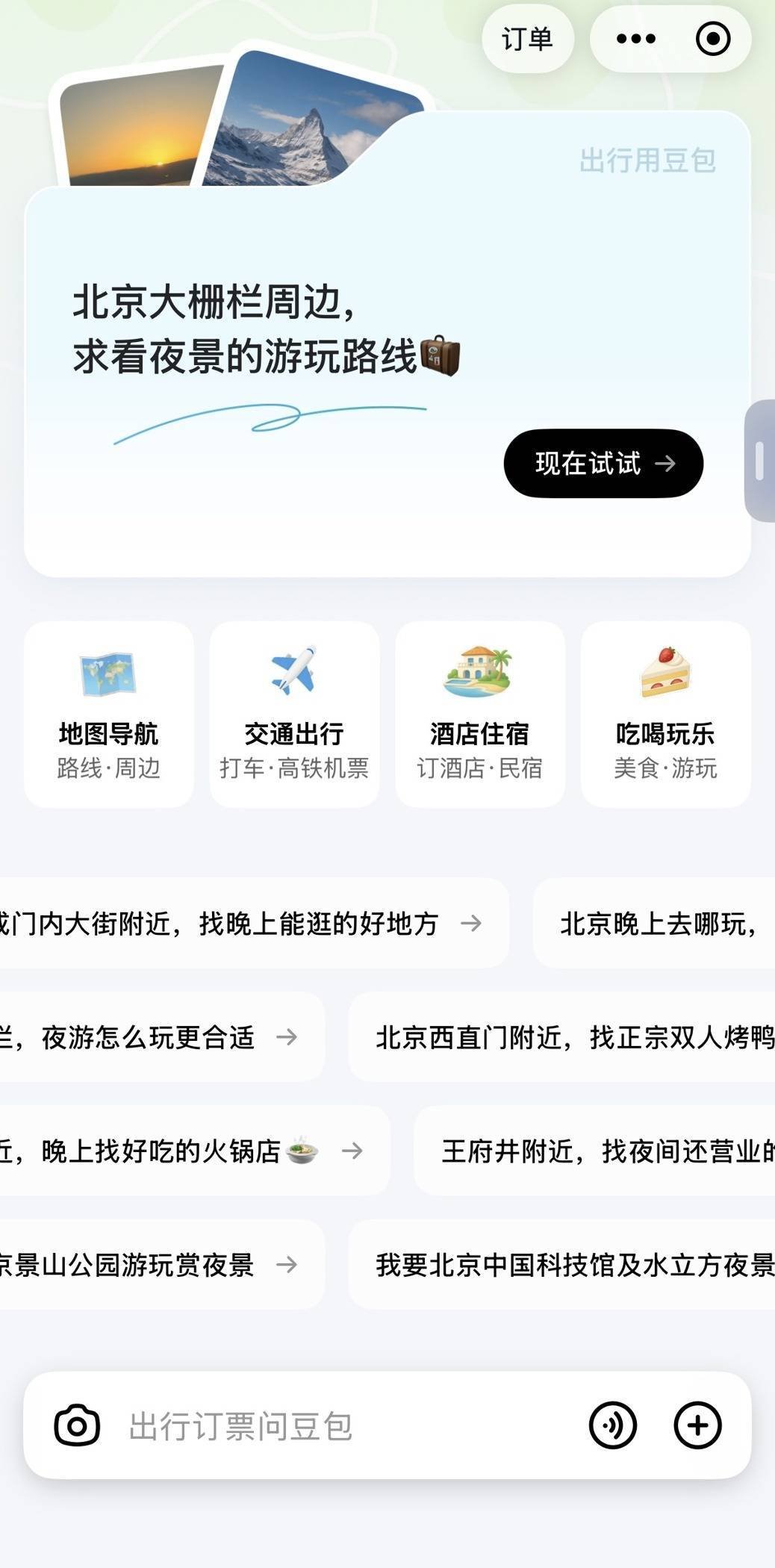
Doubao already had a foothold. At the end of September, its home screen gained a travel entry point: a user states where they want to go and Doubao checks flights, buys rail tickets, hails a car and books hotels. Work that previously required switching between several apps began collapsing into one conversation window.

What makes an agent persist
Muse behaves like a chatbot in conversation but does not stop working when the conversation ends. A user can assign a task that takes days or weeks. The agent plans the steps, searches for information, calls external services, and messages the user when a decision is required.
The infrastructure underneath is the interesting part. Meta built Muse Secure VM, a dedicated cloud virtual machine per agent, giving each one an isolated execution environment with browser access and external service calls inside the permissions the user granted. Persistence needs somewhere to persist, and a per-agent sandbox is how you keep one user’s half-finished task from touching another’s.
That design choice is also a compliance choice. An agent that runs for weeks and touches external services creates an audit and liability surface that a chat session does not. Isolating each agent is the only way to bound it.

ByteDance has the distribution, not yet the runtime
ByteDance’s advantage is that it does not need to win a platform war to reach users. Doubao is already installed, and the phone assistant work means it can act on the device rather than only in a cloud browser.
In December 2025 the Doubao phone assistant technical preview demonstrated the ability to understand screen content and simulate taps to complete actions in third-party apps. In September 2026 the consumer version shipped on the Nubia NaviX Ultra, moving the capability from demo to shipped product.
What is missing is the long-running execution layer, and that is a different engineering problem from screen understanding. Persistence requires task state that survives days, retries that survive service outages, cost control when an agent loops, and a permission model a user can reason about.
Why this is a switching-cost fight
An assistant that answers questions is interchangeable. An assistant that holds a user’s unfinished tasks, their travel preferences, their reimbursement workflow and their supplier correspondence is not, because leaving means abandoning work in progress.
That is the real contest between Meta, ByteDance, Alibaba and Tencent, and it is being fought over the permissions layer rather than the model layer. Whoever holds the permission to act, and the state of what has already been done, holds the user.
The regulatory dimension is not incidental in China. An agent that executes tasks across apps touches payment, personal data and platform rules simultaneously, and the compliance burden falls on whichever company operates the runtime.
Editor’s note: This is an adapted translation of the original Sohu Tech report. It has been trimmed and restructured for readability for an international business audience. The full original (in Chinese) is at https://www.sohu.com/a/1100257649_413981.