Lithium iron phosphate has completed its takeover of the Chinese electric vehicle battery market. In September, domestic installations reached 87.2 GWh, of which LFP accounted for 85.5 per cent. Nickel manganese cobalt chemistry, long marketed as the premium option, took 12.3 GWh, or 14.1 per cent, down 10.9 per cent year on year. Across the first nine months, NMC averaged 17.0 per cent.
The reversal is total. During the subsidy years, when policy rewarded energy density and range, NMC reached 65 per cent of installations. LFP was the chemistry of cheap urban runabouts.
What actually changed
Three things, in order of weight.
Cost first. At 2026 average prices, LFP cells sell for RMB 0.38 to 0.39 per Wh, against RMB 0.58 to 0.60 for NMC. On a 100 kWh pack that is roughly RMB 20,000 of difference, a decisive amount in the RMB 100,000 to 200,000 segment where margins are thinnest.
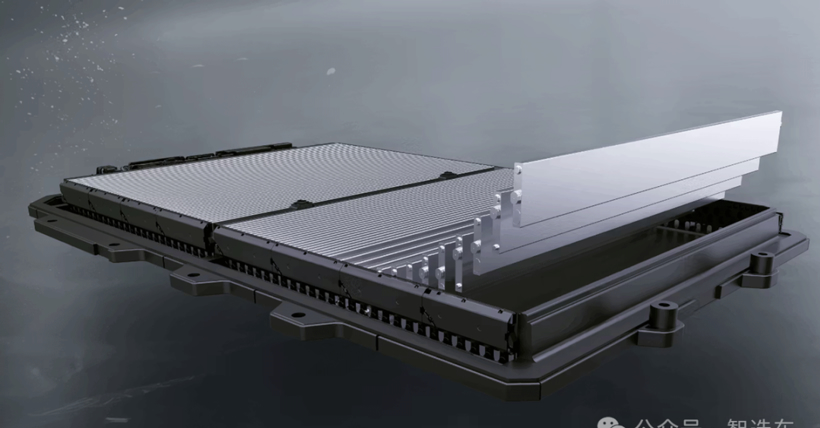
Performance second. BYD’s Yangwang U9X set a 503.17 km/h production car record on 1 November using a track-grade blade pack with a 30C discharge rate. BYD’s second-generation blade cell charges at 15C with peak power above 1,500 kW, taking a pack from 10 to 97 per cent in nine minutes. Geely’s short blade cell reaches 192 Wh/kg, closing much of the energy density gap that once justified NMC.
Safety third. NMC decomposes at 200 to 300 degrees Celsius and releases oxygen as it does, which is why failures tend to be fast. LFP decomposes at 500 to 800 degrees and typically vents smoke rather than flame in nail penetration tests.
The supply chain decided it
The decisive argument may be geological. NMC requires cobalt and nickel. More than 70 per cent of global cobalt output comes from the Democratic Republic of Congo, and China’s import dependence on cobalt exceeds 90 per cent. Nickel dependence has stayed above 85 per cent.
Iron and phosphate are widely distributed and priced with far less volatility. For a country that has made energy security a stated priority, a chemistry that removes two constrained metals from the bill is a strategic asset, not merely a cheaper one.
NMC is not disappearing. It retains an edge in very long range and extreme cold, and in export markets where buyers weight range and performance more heavily and charging networks are thinner. CATL’s third-generation Kirin cell reaches 280 Wh/kg and its condensed-matter cell 350 Wh/kg, levels LFP cannot yet match.
The market has simply reclassified it. NMC was the default for premium cars. It is now a specification choice for specific conditions, priced accordingly.
Editor’s note: This is an adapted translation of the original Gasgoo report. It has been trimmed and restructured for readability for an international business audience. The full original (in Chinese) is at https://auto.gasgoo.com/news/202611/12I70477725C501.shtml.