When a Chinese car brand enters a new market, delivering the vehicle is the easy part. Whether the local workshop can find the right filter two years later decides whether the brand has a second act.
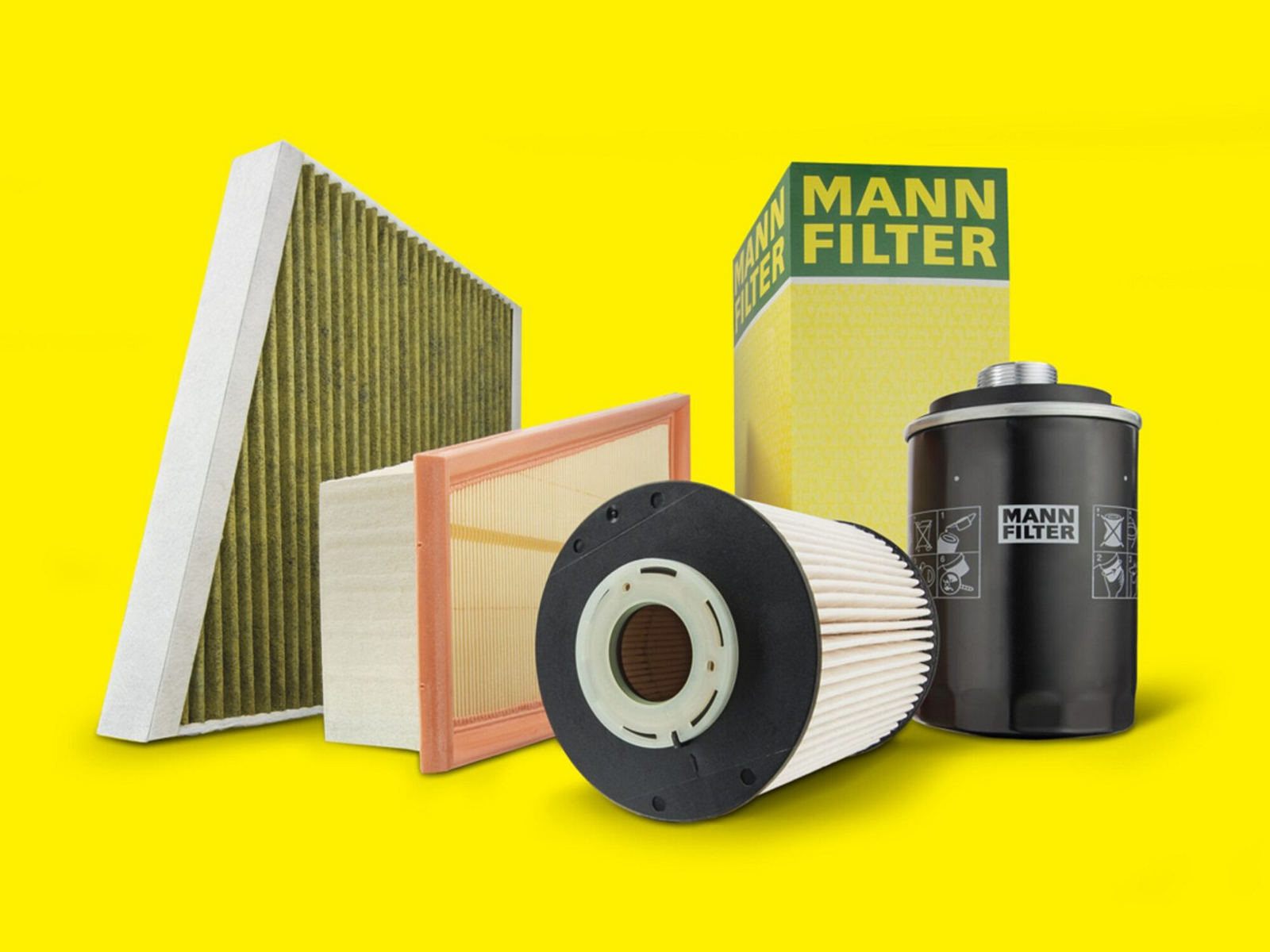
Mann+Hummel, the German filtration group, is treating that gap as its opening. In September 2026 its aftermarket brand MANN-FILTER extended its European catalogue to cover Chinese-brand passenger cars, starting with 133 models from more than 20 Chinese manufacturers and 242 vehicle applications. The company expects coverage of more than 82 per cent of the Chinese-brand car parc in Europe by the end of 2026.
Supplying the car is not the same as supplying the market
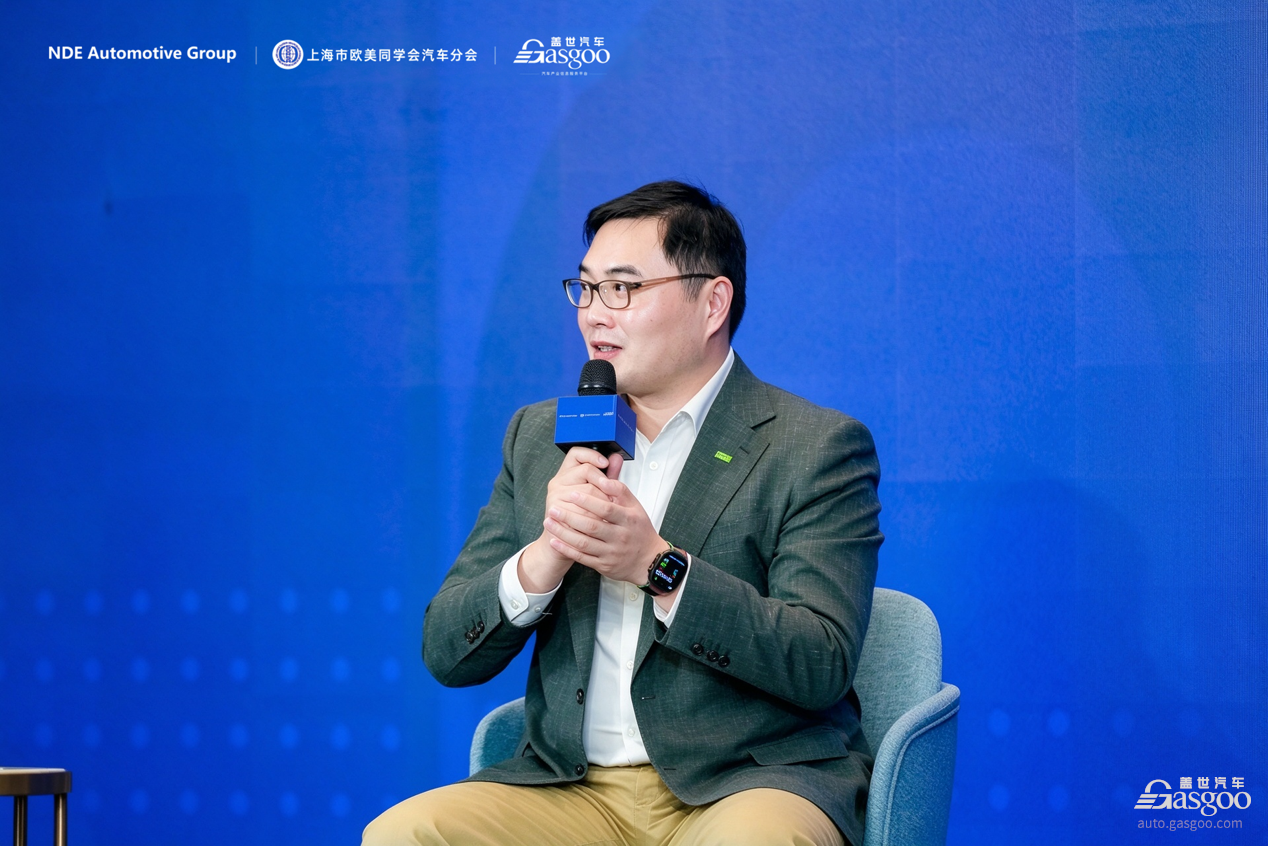
Xu Jie, president of Mann+Hummel’s global passenger car business and its China operation, told Gasgoo that Chinese carmakers moving into South America, Europe and Southeast Asia create new work for suppliers, and that the requirement goes beyond shipping parts.
“What customers need is not just components,” he said. “It is an understanding of the local business environment, help with product adaptation, and cooperation in production and after-sales.”
The logic runs from market knowledge into product, manufacturing and service. Vehicle use conditions, driving habits, maintenance intervals and after-sales arrangements all affect how a product is specified and supplied. A supplier with plants, engineering centres and service teams in many countries can tell a Chinese carmaker when to enter a market and which specification will fit it, and can raise those questions early enough to change the design.
That capability only matters if it enters the customer’s decision cycle. Knowing local regulation is background. Putting it into product adaptation, production preparation and after-sales planning is what changes the schedule.
Eighty-plus locations, one decision point
Mann+Hummel operates more than 80 sites across six continents, which gives it production bases in markets where its Chinese customers are arriving. Xu said joint local production with a Chinese carmaker is a realistic next step, turning a supply relationship into a manufacturing one.
The company has also put its global new-energy technology centre in China, with a team, specialists and continuing investment. Xu describes the arrangement as two-way. Chinese market changes and customer requirements become an innovation source, while global teams and resources feed back into Chinese projects.
Decision speed is the third leg. Xu said layered reporting in foreign-invested companies slows response, and that different teams read market demand, customer intent, return on investment and risk differently. Since taking the global passenger car role, he said many matters are now decided in China, with the Americas team reporting to him.
That arrangement shortens the path a customer requirement travels inside the organisation. It also gives Chinese-developed products a route into other regions, using Chinese plants for volume and the global footprint for distribution.
The aftermarket catalogue is the test
The European catalogue expansion is the concrete version of that argument. Original equipment supply is built around new vehicle development, validation and production. Independent aftermarket supply is built around the repair demand that follows, and it has to track the model mix actually on the road.
Mann+Hummel says it drew on more than 30 years in China and close work with local carmakers to understand Chinese-brand models and their maintenance needs. That knowledge is now being used to stock European distributors and workshops.
Different powertrains, different filters
Filtration used to mean protecting an engine and extending its life. Electrification added battery venting and explosion protection, cabin air purification, odour control and humidity management. Traditional engine filtration still has applications, while battery safety and cabin air quality need new investment.
Markets electrify at different speeds, so the product mix has to be set market by market rather than globally. Xu argued that the test of any of it is whether the technology solves a real problem, such as formaldehyde, cabin odour or humidity, rather than whether the concept is newer.
For Chinese carmakers, the practical question is who will hold their service network together in Europe. It will not be a factory in China. It will be whichever supplier arrived with the catalogue already printed.
Editor’s note: This is an adapted translation of the original Gasgoo report. It has been trimmed and restructured for readability for an international business audience. The full original (in Chinese) is at https://auto.gasgoo.com/news/202611/13I70477659C103.shtml.