Robin Li, founder, chairman and chief executive of Baidu, told the 2026 APEC CEO Summit in Shenzhen on 17 November that the safety record of driverless taxis is about ten times that of human drivers.
The scale behind the claim
Li said more than one million people die in road traffic accidents globally each year, and cited a World Health Organization estimate of about 1.16 million for 2025. He argued that autonomous driving can improve road safety by reducing human error.
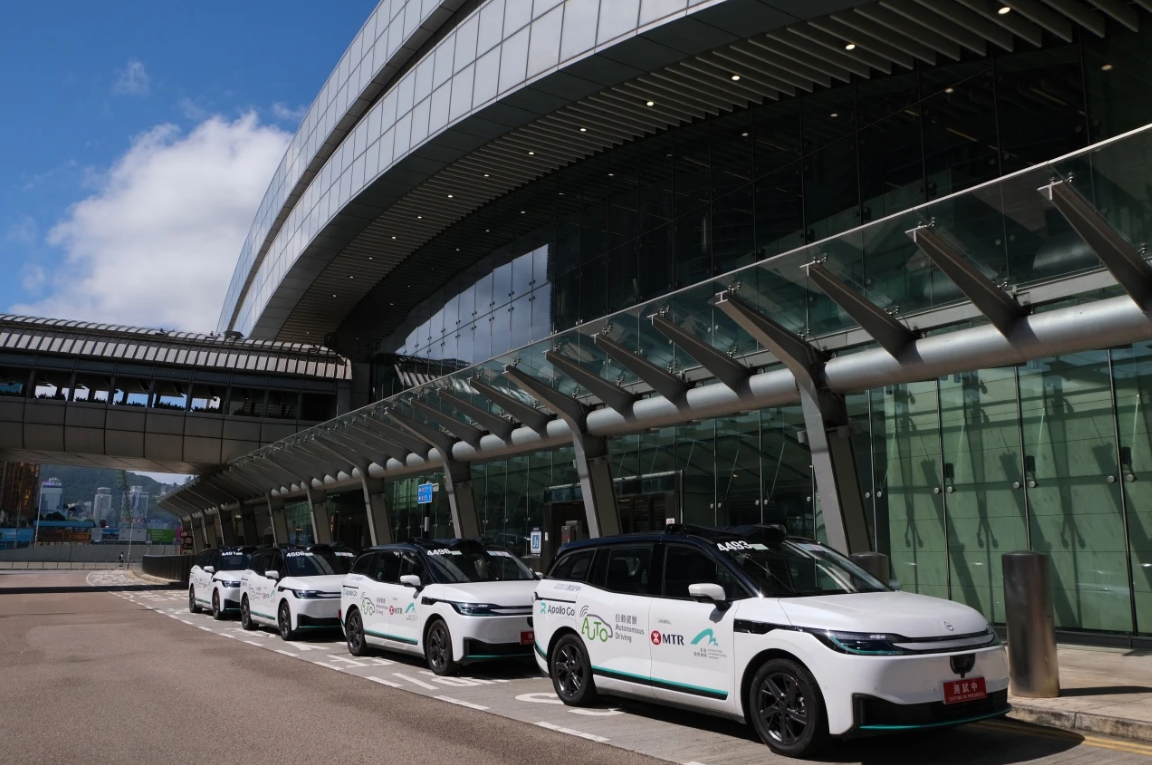
According to Baidu’s third-quarter results announced on 16 November, Apollo Go had expanded to 30 cities worldwide by the end of October. The quarter added about 34 million kilometres of autonomous driving, bringing the cumulative total to more than 390 million kilometres. The company said it had maintained an excellent safety record.
Where the service runs
Apollo Go has already launched fully driverless commercial operations in Dubai and is conducting tests with Uber and Lyft in London. Li said he would like more countries to open their roads to driverless vehicles.
The tenfold comparison is the kind of figure that invites scrutiny over how each side is counted. The more durable part of the statement is the mileage base. Safety performance only becomes a commercial asset when the distance driven is large enough and the reporting method stays consistent. Baidu is publishing both the scale and the ratio, which places the claim on a more testable footing than most operator statements.
Editor’s note: This is an adapted translation of the original Gasgoo report. It has been trimmed and restructured for readability for an international business audience. The full original (in Chinese) is at https://auto.gasgoo.com/news/202611/17I70478262C111.shtml.