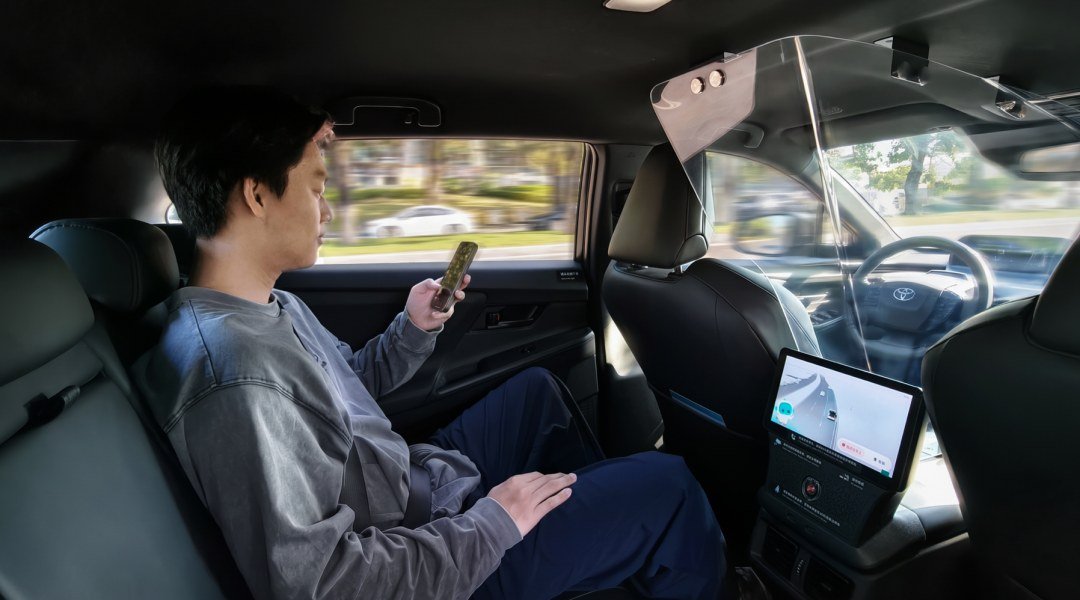
On 16 November, the seventh-generation bZ4X Robotaxi developed and mass-produced by Pony.ai and Toyota entered demonstration operation in Guangzhou, opening L4 autonomous rides to the public. Passengers can hail the vehicle through the Pony.ai app or mini programme in Nansha, in a car designed from the outset for driverless operation and able to handle heavy rain, night driving and congestion.
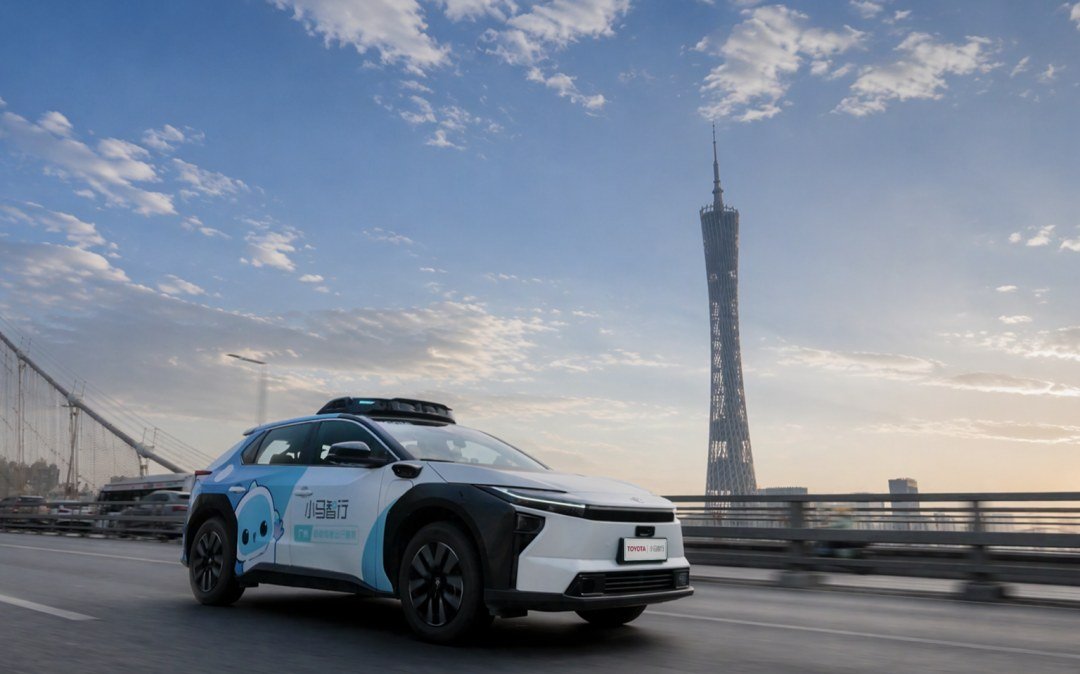
Robotaxis have spent years in testing and trial operation, with the limits of retrofitted vehicles blocking scale. Earlier Pony.ai and Toyota projects used Lexus and Sienna models with drive assist kits added later. The bZ4X was defined for L4 from the beginning. Pony.ai set the requirements and Toyota engineered safety redundancy and automotive-grade reliability into the vehicle platform, developing hardware and software together.
A retrofit bolts an autonomous system onto an existing architecture, adding interfaces and complexity. A purpose-built vehicle designs steering, braking and power redundancy into the chassis and electronic architecture from the start. The bZ4X carries 34 sensors, more than 20 redundancies and a safety target ten times that of a human driver, so a single-point failure can be covered by a backup system rather than leaving the car stopped in traffic.
Cost is the precondition for scale. The seventh-generation hardware kit costs roughly 70 per cent less than the previous generation, with core parts at 100 per cent automotive grade. Most of the drop comes from computing units and lidar, the two most expensive components. Computing unit prices are down about 80 per cent and lidar prices about 68 per cent. Pony.ai has said it aims to hold the full seventh-generation vehicle cost below RMB 230,000, already under the entry price of a locally made Tesla Model 3.
GAC Toyota introduced its production system and built China’s first dedicated autonomous driving line so the Robotaxi can share a line with the standard bZ4X. Key processes carry the same 100 per cent online inspection, plant automation reaches 92 per cent and the vehicle takes 45 minutes to build. In 2023, Pony.ai, Toyota China and GAC Toyota put RMB 1 billion into a joint venture. GAC Toyota entered as a shareholder, not a contract assembler.
If the split holds, with Pony.ai supplying the technology and GAC Toyota the vehicles and service network, the joint venture could become the first in China to earn recurring revenue from running Robotaxis at scale, and a template Toyota could reuse across its other smart mobility projects.
Editor’s note: This is an adapted translation of the original OFweek report. It has been trimmed and restructured for readability for an international business audience. The full original (in Chinese) is at https://www.ofweek.com/auto/2026-11/ART-70109-8420-30712443.html.