On 16 November, Robot Era launched the XHAND 1 Pro-U, a five-finger dexterous hand built around Nvidia’s GEAR lab DexUMI exoskeleton so that human demonstrations map more directly onto the robot. Two months earlier, South Korea’s Wonik Robotics extended its Allegro Hand from a four-finger to a five-finger, 20-degree-of-freedom design. In September, Singapore’s Sharpa released the W02 with 21 active degrees of freedom and full-hand tactile sensing.
The contest is no longer about how many joints a finger has. In a space close to a human hand, a company must fit motors, transmissions, sensors and control circuitry, then manage grip force, heat, collision and repair. The field includes long-standing suppliers to research labs, entrants from prosthetics, industrial grippers and micro-drives, and robot makers keeping hand development in-house. A survey of 18 Chinese and 12 foreign companies shows how crowded it has become.
Volume is starting to matter
Inspire Robots, founded in 2016 and based in Beijing, makes micro servo cylinders and dexterous end-effectors. Its RH56 series offers six active degrees of freedom, with a wrist version, and its listed partners include Unitree, AgiBot, UBTech and Galbot. The company says it sold more than 10,000 dexterous hands in 2025. In February 2026 it closed a combined RMB several-hundred-million Series C1 and C2, backed by China Mobile’s supply-chain fund, Shenzhen Capital Group and the Beijing AI industry fund.
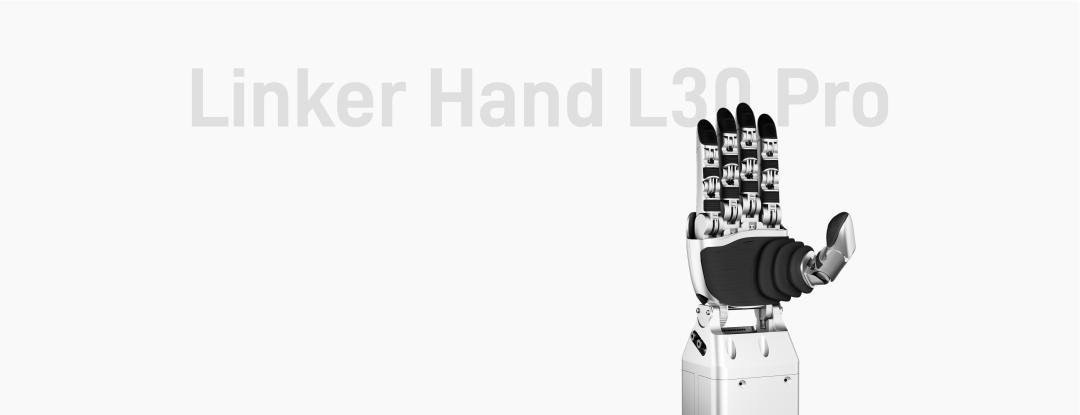
Linker Bot takes several transmission routes at once, with linkage, tendon and direct-drive lines under the Linker Hand name. Its O30 has 20 independently moving joints. The company also sells the Open TeleDex teleoperation system, a skill library and the Linker Genesis model, and says its products are used at Stanford and Cambridge as well as Midea and Foxconn. It raised nearly RMB 1.5 billion in a February 2026 Series B and a further B+ round in April.
From prosthetics and touch sensing
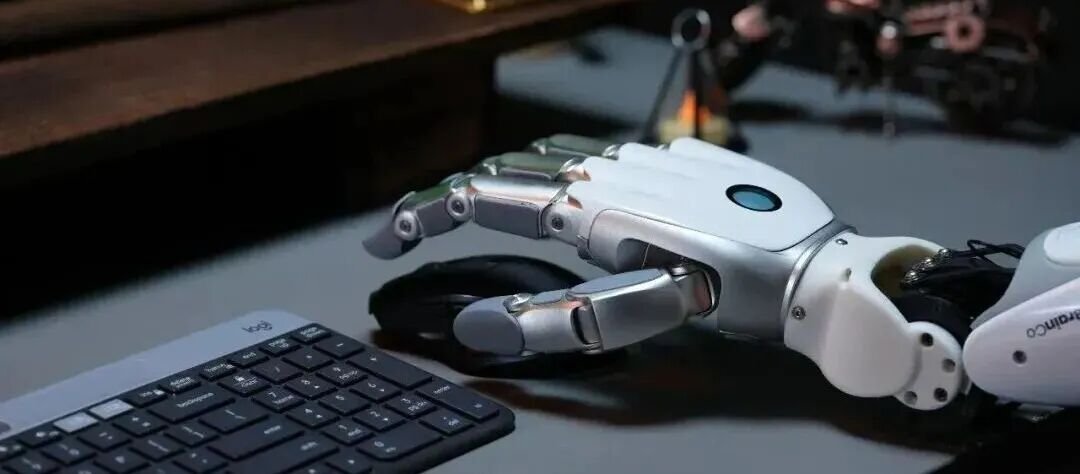
BrainCo was founded in 2015 by Han Bicheng while he was a doctoral student at Harvard. It began with non-invasive brain-computer interfaces, moved to smart bionic prosthetics and then carried its micro-structure and control expertise into robot hands. Its Revo 2 used six motors and eleven degrees of freedom. The Revo 3, launched in 2026, moves to 21 active degrees of freedom with back-drivability and compliant contact, and offers fingertip three-dimensional force, full-hand piezoresistive tactile arrays and fingertip vision-touch sensing.
PaXini, founded in 2021 by a team from Waseda University’s Sugano lab, started with high-precision force and tactile sensing and now spans sensors, hands, humanoids and embodied models. Its DexH13 GEN2 uses a four-finger structure with 16 total degrees of freedom, 13 active and three passive, combining multi-dimensional touch with vision. It raised more than RMB 1 billion in a March 2026 Series B and disclosed another RMB 1 billion strategic round in August.
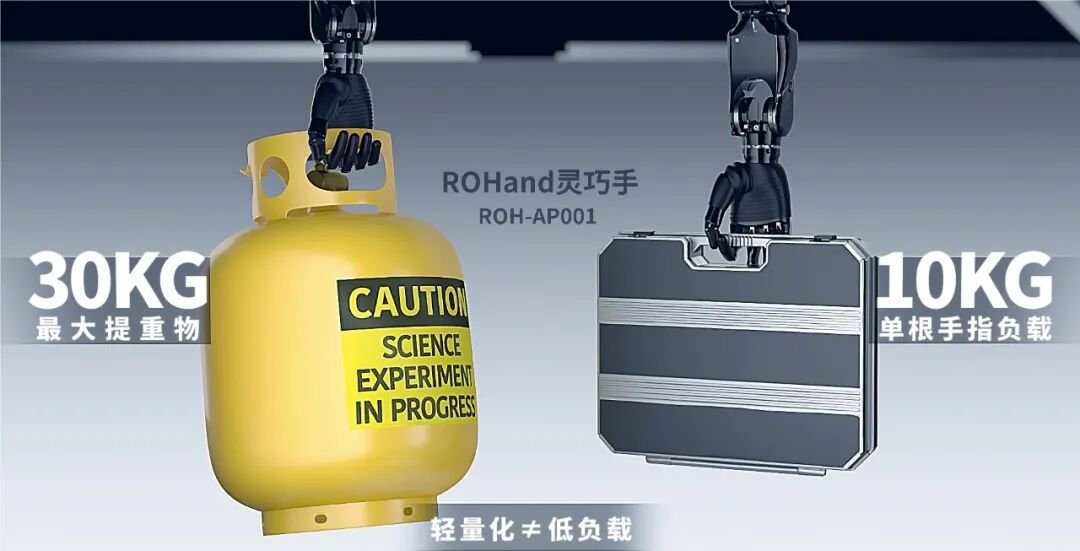
The Chinese list also includes OYMotion, which moved from electromyographic interaction into the ROHand, and DaiMeng Robotics, which puts vision-touch sensing inside the fingertips. robot makers are not only buyers. Several now treat the hand as a core part of the product rather than a purchased component.
Why the boundary is blurring
The economics explain the push. UBTech chairman Zhou Jian has said overseas chips are so expensive they take a third of hardware procurement cost, one reason the company joined a chip joint venture. For a hand, the equivalent logic applies: the company that knows what the robot must do has the most reason to define the part early and validate it on real tasks before the design freezes.
XPeng’s IRON humanoid and its cars share the same Turing chip. Cumulative shipments have passed 200,000, almost all from vehicles, so research cost is spread across the car business and unit manufacturing cost has fallen to RMB 2,500 to RMB 3,000. A pure robotics company cannot amortise a chip or a hand across that base. It has to win enough orders to make in-house development cheaper than buying, which turns an engineering question into a test of commercial scale.
Editor’s note: This is an adapted translation of the original 36Kr report. It has been trimmed and restructured for readability for an international business audience. The full original (in Chinese) is at https://m.36kr.com/p/4075019280406408.