On 19 November, in an interview with Daily Economic News, South Korean entertainment technology company Galaxy Corporation said it plans to launch a physical robot girl group in January next year and begin a global tour. The company is already working with Unitree and Star Legendary, exploring a model of Chinese-made hardware with Korean-made content. Under the plan, a small robot K-pop concert will be held in Macau in December as a warm-up, with Dubai and Tokyo to follow.

Beyond cover dances
The company is also preparing a robot fashion show, with Hong Kong the intended venue. In founder Choi Yong-ho’s vision, robot performances will not simply replay K-pop tracks. He wants to blend in Chinese-language pop songs and make the shows a form of cross-regional musical exchange. His logic is straightforward. The core attribute of an idol does not change. Robot idols, virtual idols and human idols all depend on fans. People who like robots can become fans of robot idols, and blending the three forms could create an entirely new fan base.
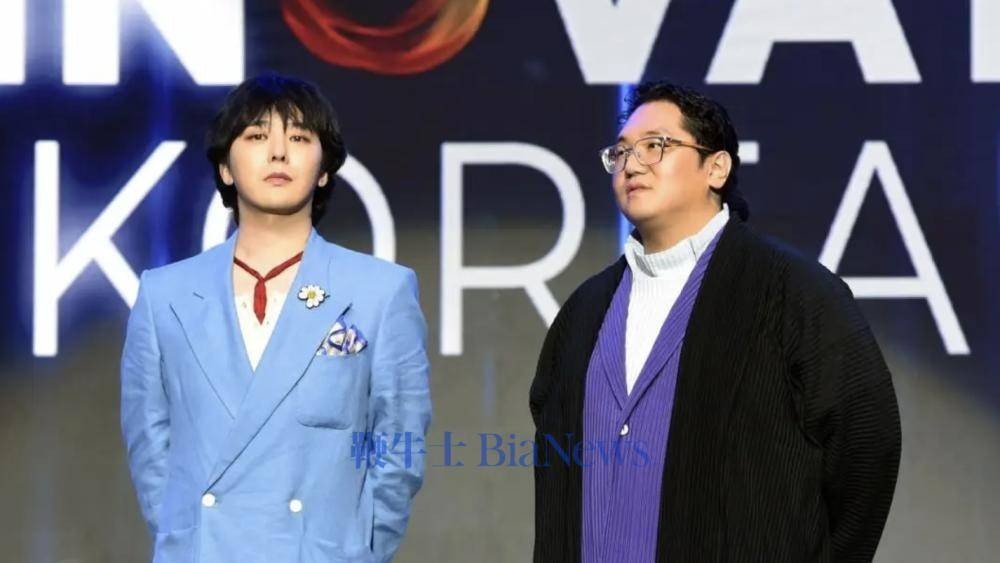
Galaxy has already run several trials. It placed robots on stage at a G-Dragon celebration, held a fashion show at a robot theme park in Seoul, and assembled 17 humanoids for a K-pop flash mob in New York’s Times Square. Unitree, its hardware partner, had already crossed paths with G-Dragon’s stage content when its humanoids covered his track Power.
A unicorn pivot
The idea of a robot girl group still feels incongruous. Much of K-pop idol appeal comes from human emotion, presence and distinct personality. Robots can execute synchronised moves and hit the beat technically, but whether they can build a lasting emotional bond with fans the way human idols do remains an open question. Galaxy was founded in 2019 and represents G-Dragon, Lee Tae-min and Kim Jong-kook. It grew into a unicorn valued at around one trillion won on artist management and IP operations. In the past two years its focus has shifted visibly towards embodied-intelligence entertainment, no longer relying on the schedules of human stars and trying to transplant the mature K-pop star-making industry onto humanoid robots.
For Chinese hardware makers, the deal is a different kind of validation. Unitree’s machines are no longer only tools for research labs and factory pilots. They are becoming the stage on which someone else builds the content, and a new route into consumer markets that does not require selling a robot to every household.
Editor’s note: This is an adapted translation of the original Sohu Tech report. It has been trimmed and restructured for readability for an international business audience. The full original (in Chinese) is at https://www.sohu.com/a/.