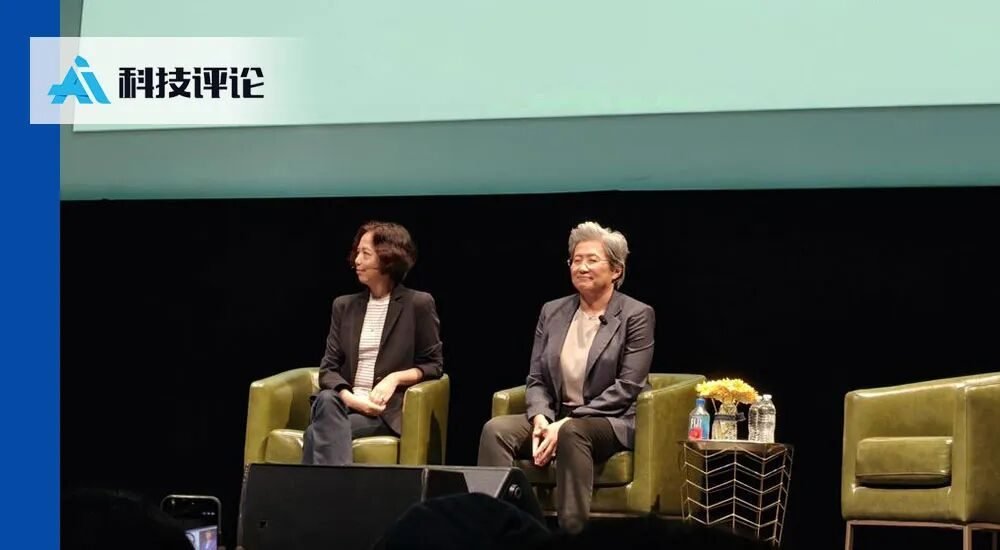
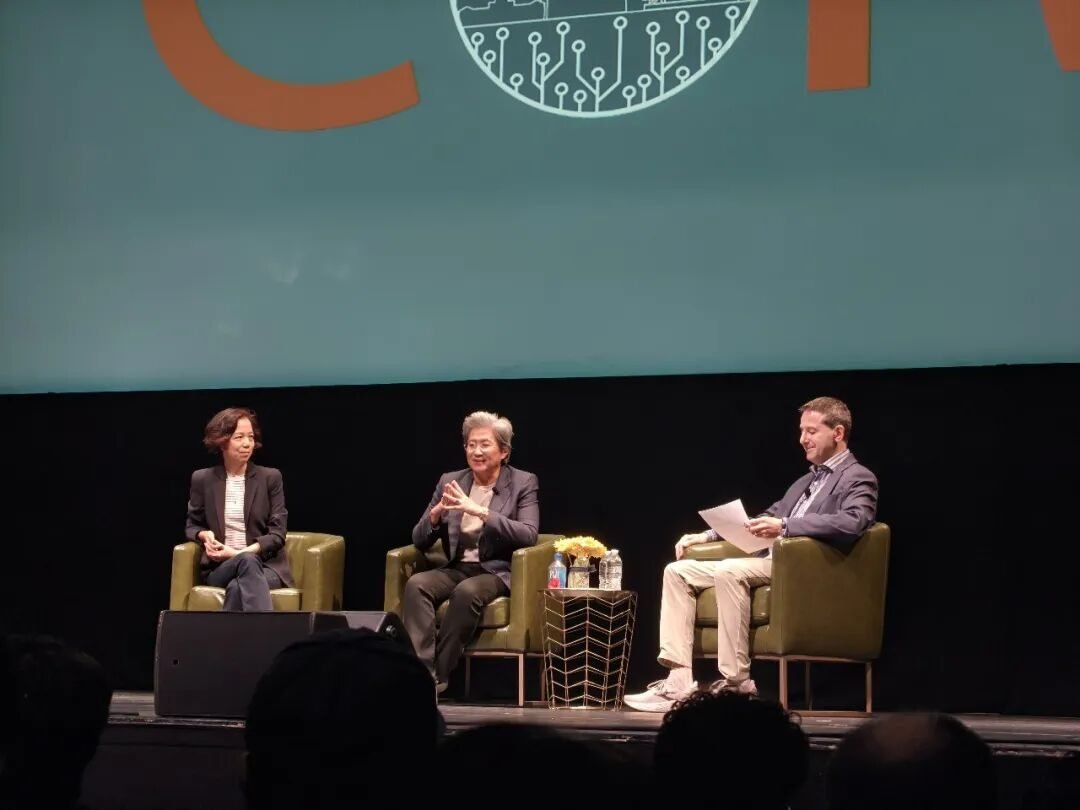
In November 2026, the audience at CoRL 2026 in Austin was filled with robotics researchers. On stage were Fei-Fei Li, soon to become AMD’s chief scientist, and AMD chief executive Lisa Su. It was their first public appearance together since news of AMD’s acquisition of World Labs emerged, and Li’s first time addressing the robotics research community under her new title.
Hundreds of billions, measured in gigawatts
Su framed physical AI, and robotics in particular, as an enormous opportunity worth hundreds of billions of dollars over the coming years. Success, she said, requires understanding physics, models and the whole environment. AMD is building compute measured in gigawatts, and demand exceeds supply. Reserving a portion for long-term research and universities is part of the company’s work and the responsibility of an industry leader, she said.
Li put the relationship simply: AI is compute, and compute is AI. She described a convergence of single-modality and multimodal models that requires co-design and co-evolution of hardware and software. She also told students in the audience that AI is not only a problem to solve but a tool, and that science is entering an era of team-based work.
One model, or many?
Asked whether future robots would be driven end to end by foundation models or by layered components, Li said the field should be intellectually honest. Results from frontier labs are remarkable, and VLM and LLM-driven robots will play a growing role. But she does not believe the systemic problem has been solved. Su added that in vertical applications there will be neither a single model nor a single direction. Frontier language models will work well in some places, while more specialised models will be cheaper, more power efficient and faster in others.
Compute starvation in the public sector
Li was direct about access to computing power for universities and nonprofits. Failing to provide adequate resources to the public sector, she said, is one of the biggest mistakes at the most important moment in history. Public research is the first stage of innovation, and the country’s innovation engine starts with blue-sky, curiosity-driven work in universities and nonprofits. It is also where the next generation of inventors is trained. The public sector is suffering severe compute starvation, and fixing it is an investment in the future. She said she and Su had long worked together on the National AI Research Resource initiative.
Su said the question of how to ensure these technologies genuinely improve the world was the one that mattered. Robotics, she said, is one of the areas where the industry is close but has not yet demonstrated returns.
An open ecosystem and the case for a doctorate
AMD already has a substantial physical AI and robotics research team, Su said. Its embedded components, including FPGAs, embedded processors and AI engines, control many industrial robots. She rejected the idea that one company can do everything, pointing to the value of industrial labs, universities, startups and large companies working together through an open ecosystem.
On whether a doctorate still makes sense, Li said a PhD is for curiosity and described it as the best-protected period of a person’s life for pursuing the boldest questions. She does not think it suits everyone in the AI era, since there are now many paths to becoming a researcher, but she believes human intelligence remains precious. Su said she did not accept the claim that AGI was only a minute away, and offered her own advice from her early years at IBM: always go for the hardest problems.
The two closed with different emphases. Li urged students to look for enduring values in a time of change: curiosity, integrity and the fearless pursuit of truth. Su urged ambition and optimism, and noted that the best years of a working life are spent solving problems that matter.
Editor’s note: This is an adapted translation of the original Leiphone report. It has been trimmed and restructured for readability for an international business audience.