Denza launched the N8, a large five-seat SUV, on 12 November. It is offered in pure electric and plug-in hybrid versions across six trims, with official prices from RMB 269,900 to RMB 329,900. The model carries several of BYD’s newest technologies, including the EasyThree Evo system, second-generation blade battery and flash charging, God’s Eye 5.0 driver assistance, and YunNian-A closed-type dual-chamber air suspension.
Range and charging
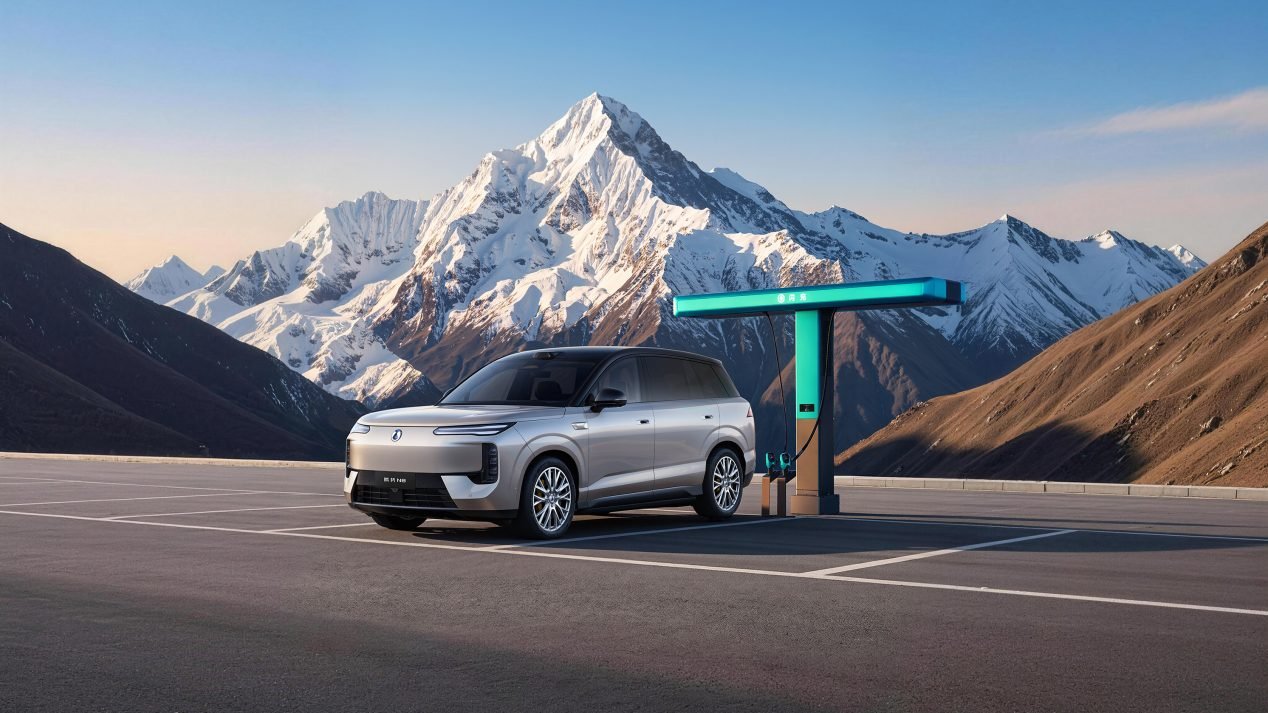
The battery-electric version claims 1,003 kilometres on the CLTC cycle. The plug-in hybrid claims 435 kilometres of electric range and 1,567 kilometres combined. Denza describes its flash charging as five minutes for a usable charge and nine minutes to full, and says charging time rises by about three minutes at minus 30 degrees Celsius. These are official test figures. Real-world results will depend on battery condition, ambient temperature and charging infrastructure.
BYD is expanding its flash charging network into highways, border regions and long-distance routes. As electric vehicle range increases, buyer attention is shifting from battery capacity alone towards charging speed, network coverage and consistency.
Cockpit and space
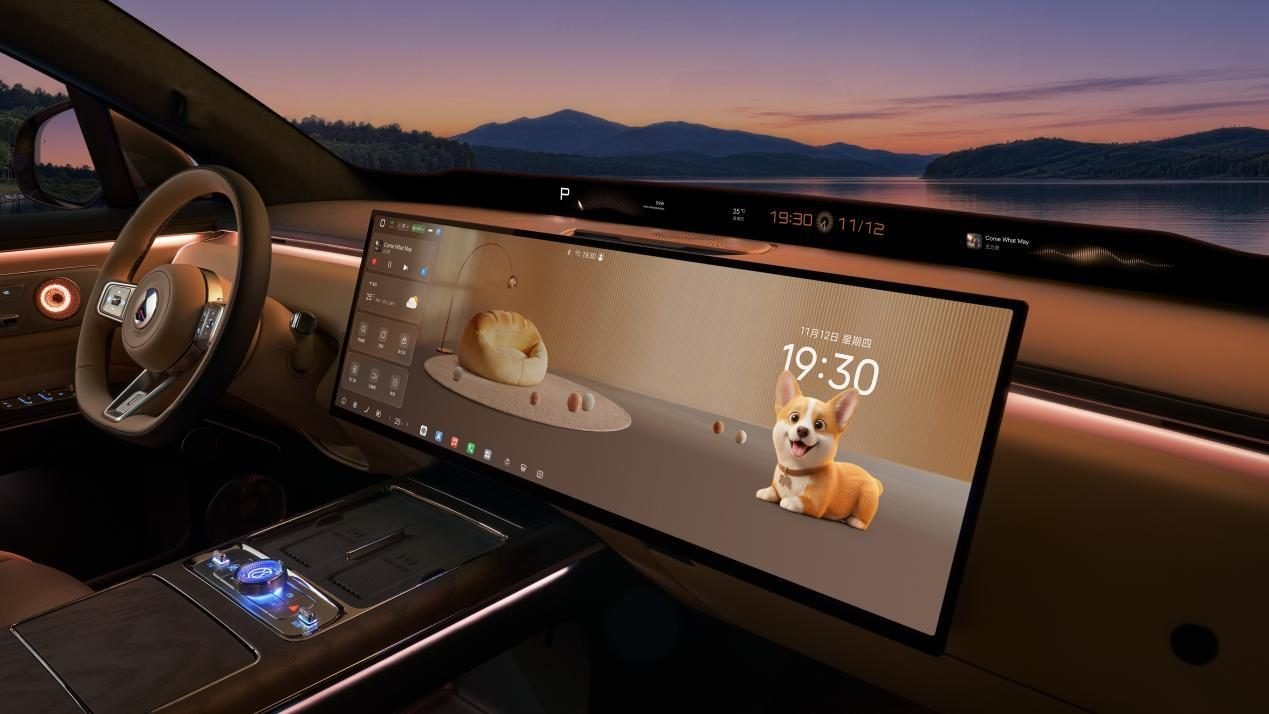
The N8 introduces a giant-screen cockpit combining a 30-inch display with a 1.1-metre horizon strip and a new interface system. The strip supports custom display of navigation and speed information. The main screen supports single, bi-fold and tri-fold formats, with floating windows and app dragging for multiple tasks. Phone connectivity is supported. The cabin also adds an AI assistant and an AI pet interaction feature.
All versions come with God’s Eye 5.0 assistance, which Denza says adds reinforcement learning to a closed-loop end-to-end architecture and supports highway and city navigation, parking across scenarios, gesture-summoned parking and automatic repositioning. The vehicle is 5,150 millimetres long with a 3,075-millimetre wheelbase. Zero-gravity front seats recline to 165 degrees and second-row seats to 146 degrees. Boot space is 1,046 litres with all five seats in use and 2,150 litres with the rear seats folded, plus a 205-litre front compartment with a drain.
The technology underneath
EasyThree Evo is the most significant technical change. On the hardware side it uses a 13-in-one integrated planetary rear dual-motor assembly, a low-loss permanent magnet synchronous front motor, a 1,000-volt platform and a self-developed 1,500-volt silicon carbide chip. On the software side, eTCS 2.0 senses road conditions and vehicle dynamics to adjust power delivery and body control in advance.
All three motors can reach 30,000 revolutions per minute. Combined output exceeds 1,200 horsepower, with zero to 100 kilometres per hour in 2.98 seconds. Independent control of the two rear motors gives a minimum turning radius of 4.5 metres, intended to make a large SUV more manageable in cities and tight spaces.
The chassis uses YunNian-A closed dual-chamber air suspension with adjustable stiffness and road preview 2.0. Safety equipment includes a cell-to-body battery structure, a 2,000-megapascal steel safety cage and nine airbags as standard, along with automatic emergency braking, automatic emergency steering and low-speed emergency braking. Denza says the vehicle completed a wet-surface avoidance test at 130 kilometres per hour.
The N8 enters a crowded segment around RMB 300,000, where buyers already have many choices and competitors keep adding space, comfort, intelligence and range. Whether the combination of EasyThree Evo, the giant-screen cockpit and flash charging creates a durable advantage will be decided by delivery quality and sales once the cars reach customers.
Editor’s note: This is an adapted translation of the original Leiphone report. It has been trimmed and restructured for readability for an international business audience.