On 30 July, Unitree published its STAR-market prospectus and set a listing date. Within days its closest rival, AgiBot, confirmed it has started the Hong Kong IPO process, though it has not yet named sponsors, filing time or raise size. The two have spent months sparring across shipments, production and now the public market.
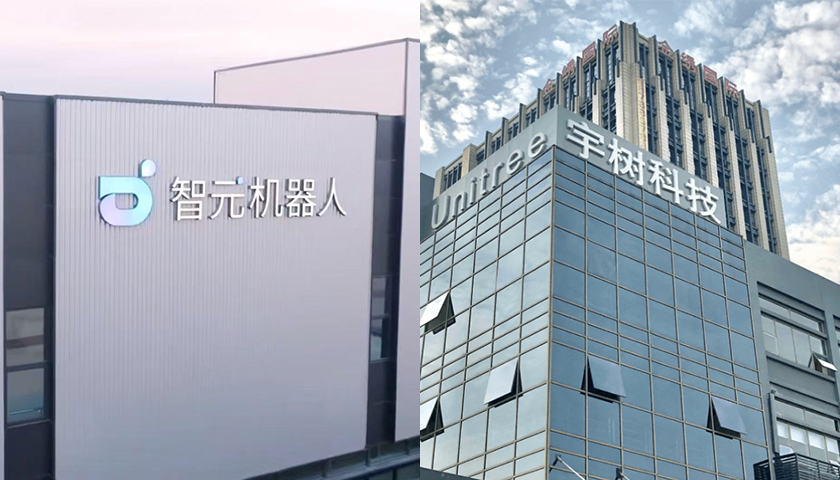
A Caijing report cites an AgiBot investor saying the company could list in Hong Kong as soon as August, with cornerstone investors targeting a valuation of 40 to 50 billion HK dollars, about 4.8 to 6.0 billion US dollars. That range is deliberately aligned with Unitree, whose initial market cap is about 42 billion yuan with price consultation on 5 August.
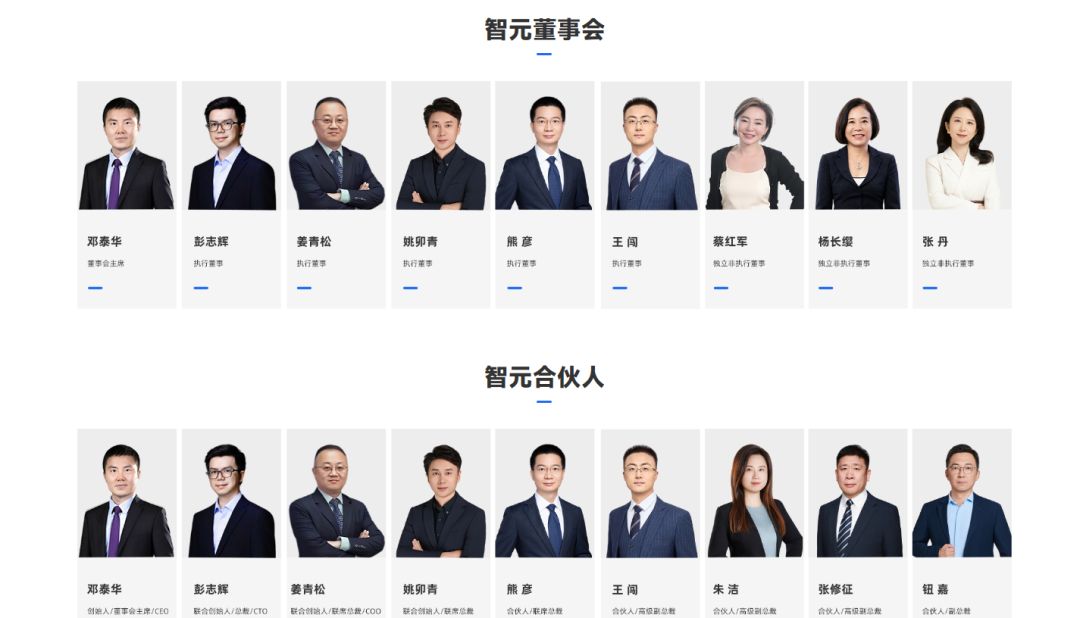
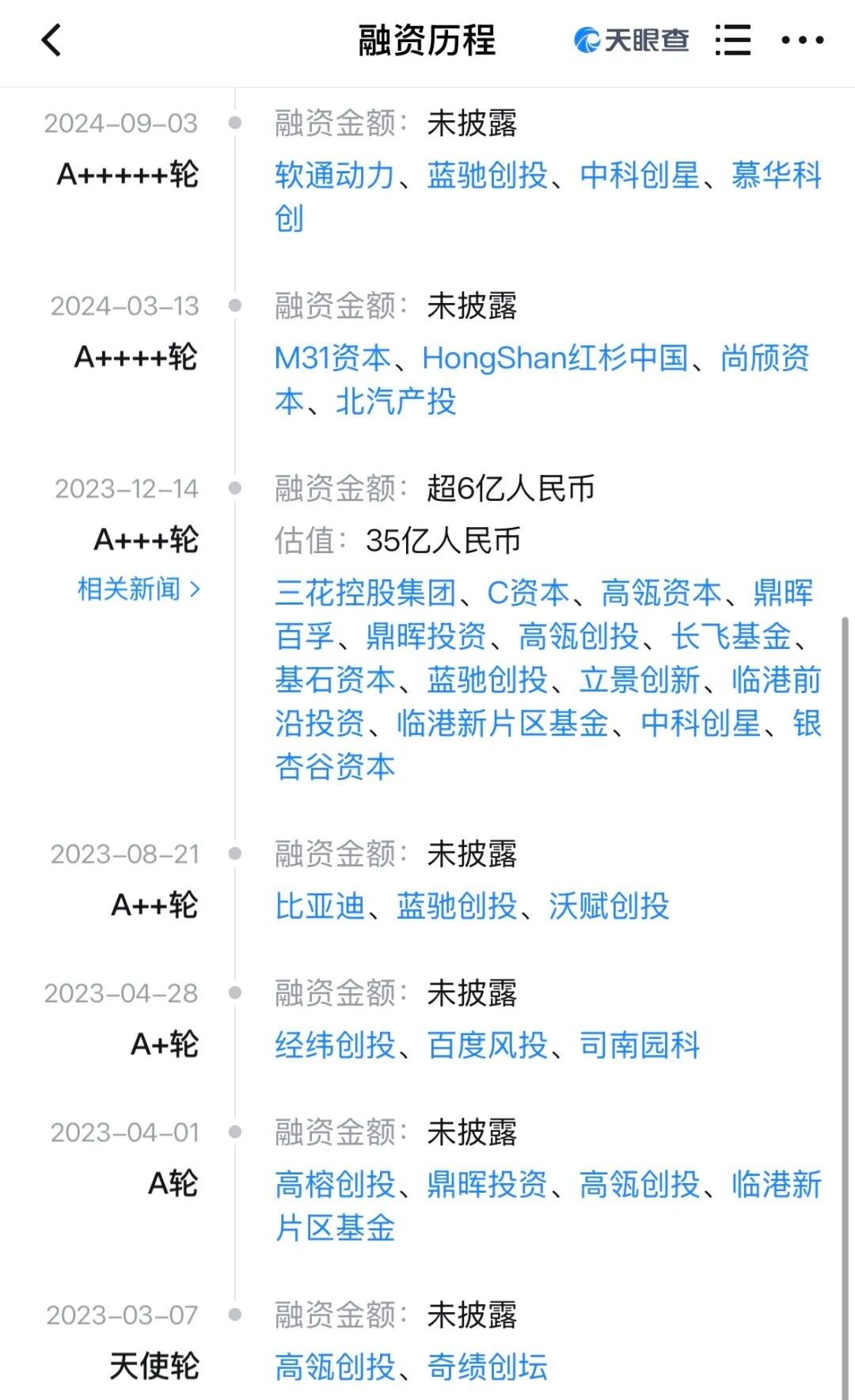
The rivalry has form. Both claimed 2025 shipment leadership with differing maths, then both announced 10,000-unit production milestones. AgiBot was founded in 2023, when Unitree had already spent seven years in quadrupeds and had just launched its H1 humanoid. Unitree raised no money that year, while AgiBot closed three top-up rounds on top of Series A.
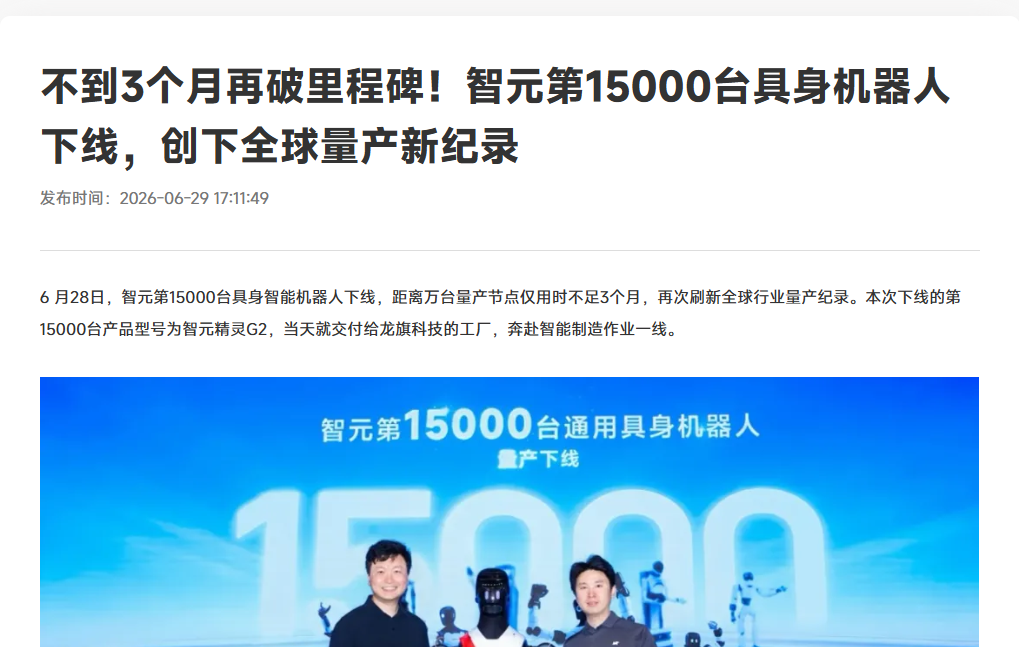
On output they are level. AgiBot hit 1,000-unit monthly production in January 2025, its 5,000th general-purpose robot in December, and its 15,000th this June. Omdia puts its 2025 general humanoid shipments above 5,100, about 39 per cent of the global market and first place. Unitree disputes this, citing over 5,500 humanoids and more than 6,500 produced in 2025.
On revenue AgiBot may have pulled ahead. Its sales went from 300,000 yuan in 2023 to over 60 million in 2024, 1.05 billion yuan in 2025, and more than 1 billion in the first quarter of 2026 alone. By 2025 and early 2026 revenue, CIC calls AgiBot the world’s largest general AI robot company. Unitree’s 2025 revenue was 1.699 billion yuan with 423 million in the first quarter of 2026.
Profit tells the other way. Unitree turned profitable in 2024 and ran a 60 per cent gross margin in 2025. AgiBot has not disclosed profit and is widely seen as still loss-making, with founder Deng Taihua calling it a long race where the firm invests for the future. That is why AgiBot’s price-to-sales multiple likely runs above Unitree’s, as capital bets on its growth rate while Unitree’s slower first-quarter growth caps its multiple.
The two took different routes. Unitree’s strength is hardware, with over 95 per cent in-house core parts and integrated joints, and prices down to 99,000 yuan for the G1 and 29,900 for the R1. AgiBot spends about three-quarters of R&D on its AI brain, with the 35kg Lingxi G2 handling a 10kg load at 7×24 hour duty and a 12.97 second cycle at over 99 per cent success.
Both are fixing weak spots. AgiBot deepened ties with Wolong on motors, while Unitree’s prospectus commits 2.02 billion yuan of its 4.02 billion raise to robot-model research. TrendForce sees the pair taking nearly 80 per cent of China’s 2026 humanoid output, up 94 per cent year on year. The listing, for either, is only the start of a long race under the market’s gaze.
Editor’s note: This is a translated adaptation of a Chinese-language report from OFweek Robotics (robot.ofweek.com). Figures, dates and direct quotations are reproduced as published.