Infineon Technologies has introduced its first microcontroller platform built on the RISC-V architecture, the AURIX RC1, aimed at real-time control for software-defined vehicles and physical AI.
Infineon describes AURIX RC1 as its first MCU platform that fully exploits the advantages of RISC-V. The family spans configurations from conventional microcontrollers to hybrid microcontroller and microprocessor parts, intended to provide more efficient real-time processing for safety-critical software-defined vehicle and physical AI applications.
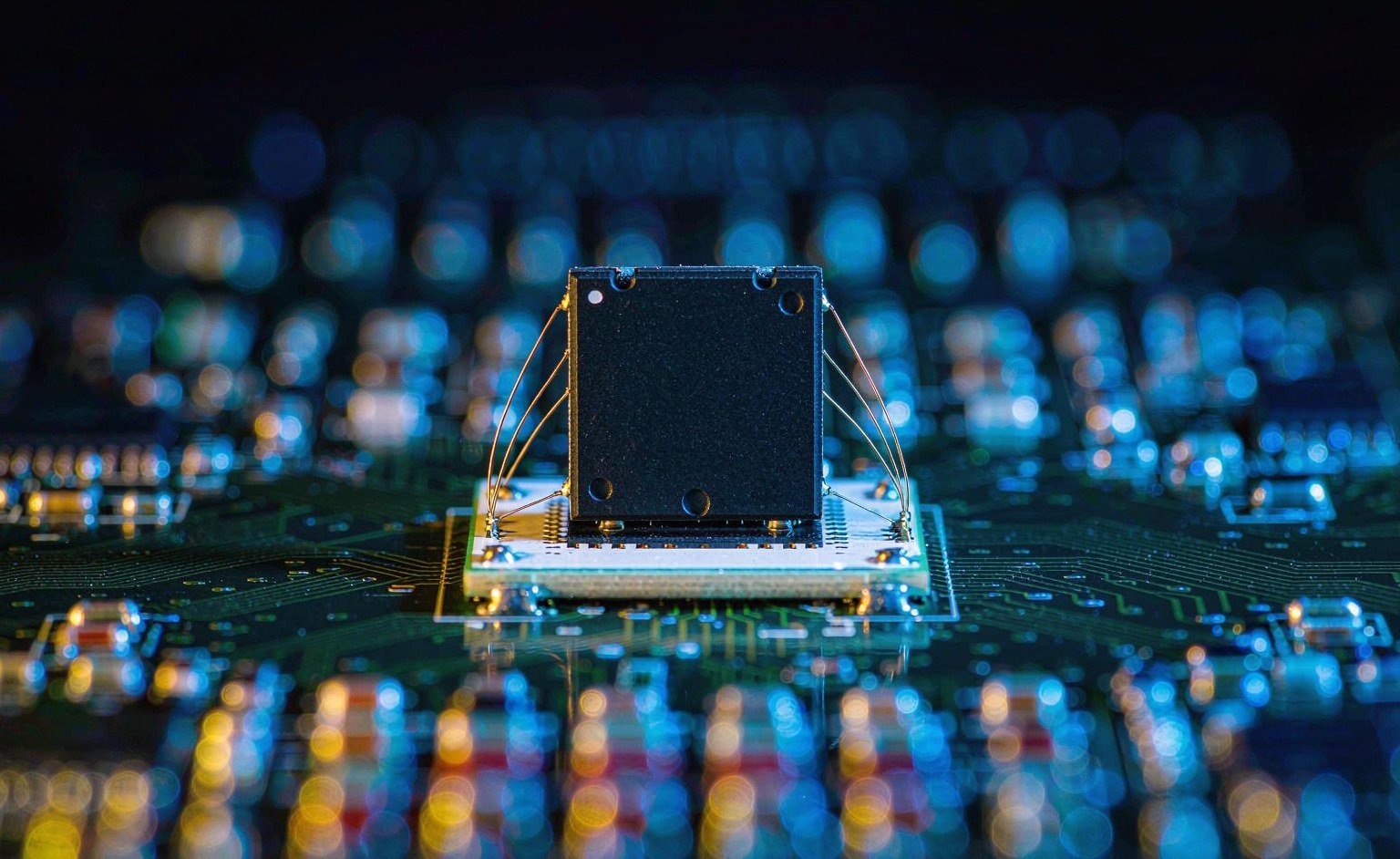
The company will present the AURIX RC1 concept at electronica in Munich on 10 November and plans to provide samples in the first half of 2027.
The architectural decision behind the family is consolidation. As central computers and zone controllers absorb functions previously spread across separate control units, Infineon is merging its AURIX and Traveo T2G product lines into a single platform. The aim is that code written for one domain can migrate to another, covering applications from chassis to cockpit.
The series integrates up to 12 32-bit cores with edge AI acceleration and 40MB of embedded memory, and a 64-bit microprocessor family is planned. The DriveCore software package supports virtual prototyping and can use AI to help migrate existing code onto the new platform.
The significance is in the instruction set rather than the core count. Automotive microcontrollers have been built on proprietary architectures for decades, and RISC-V removes a licensing layer from the part that governs real-time control in the vehicle. For tier-one suppliers writing safety-certified software, that changes the long-run cost of porting and the negotiating position with the chip vendor.
It also aligns the car with a wider movement. RISC-V has been gaining ground in embedded and industrial designs, and automotive qualification is the hardest gate it has had to pass. A platform from one of the three largest automotive MCU suppliers, with samples in 2027, is the clearest signal yet that the gate is opening.
Editor’s note: This is an adapted translation of the original Gasgoo report. It has been trimmed and restructured for readability for an international business audience. The full original (in Chinese) is at https://auto.gasgoo.com/news/202611/6I70477154C409.shtml.