From research capability to industrial capability
Li Auto is moving its in-house battery from a research project into a supply chain it controls. On 7 September the company drew a line in the day. Buyers who locked their order for the new MEGA before 15:00 still receive CATL’s 5C ternary lithium cells. Those who lock after get Li Auto’s own 5C ternary cells, with deliveries starting in November.
Three days earlier, on 4 September, Li Auto announced a 2.65 billion yuan investment. Beijing Li Auto Co. will subscribe new capital in Sunwoda Mobility for 2.65 billion yuan in cash. After the deal it directly holds 8.79 per cent, and together with a prior 2.60 per cent stake held through Chongqing Chezhijuan it reaches about 11.17 per cent, making it Sunwoda’s second largest shareholder. The pre-money valuation was 27.5 billion yuan, matched to Sunwoda’s earlier C round.
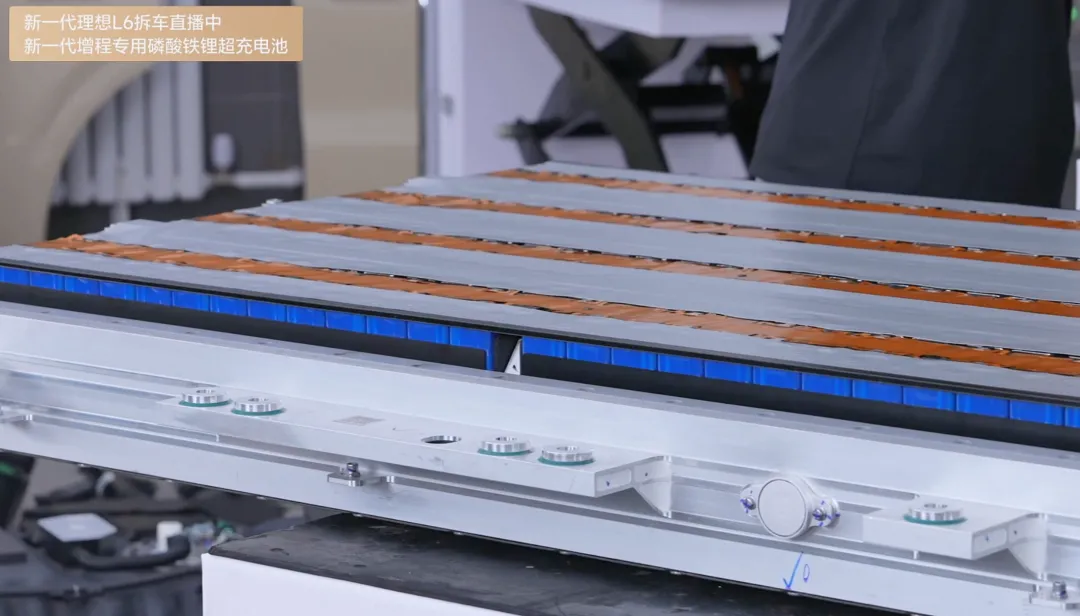
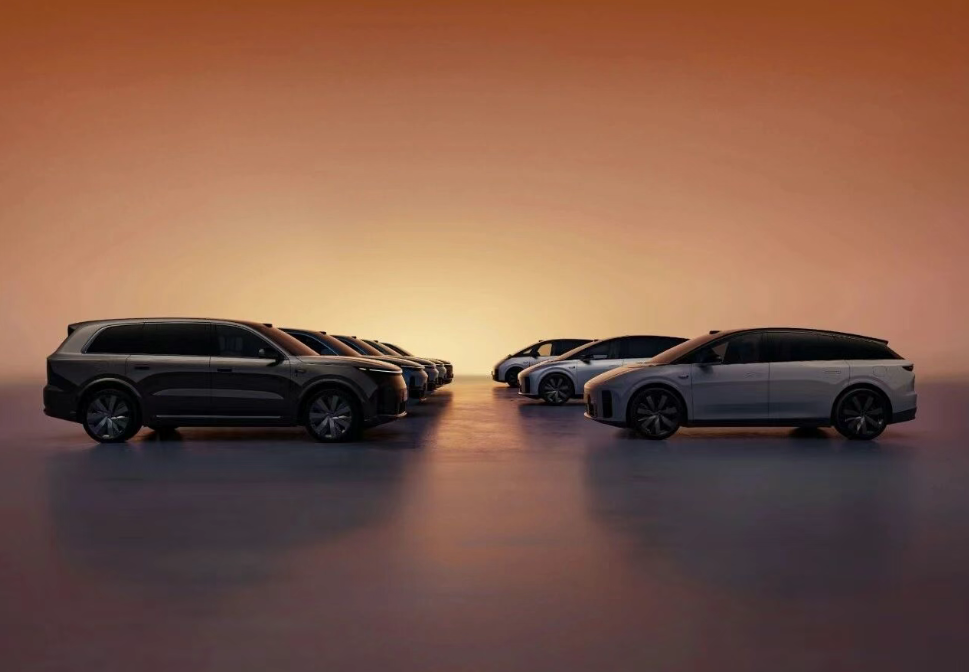
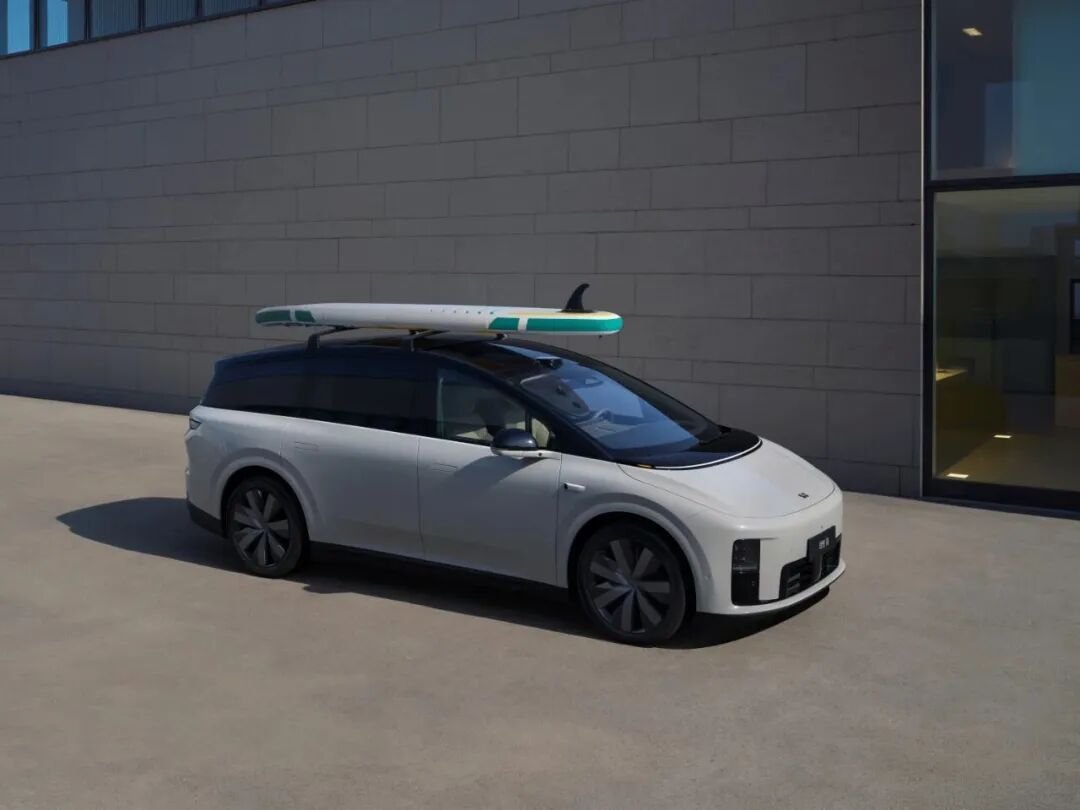
The capital move lands as Li Auto pushes its in-house battery from a few models to the full lineup. It already sits in the revised L8, L6 and i8. In the fourth quarter the new MEGA, the new i9 and the 2026 i6 join the programme.
What Li Auto actually wants
The company built a battery team from the start. In 2015, while developing the cancelled SEV, it self-designed portable battery packs. The pivot to range extension forced the real work: a small battery had to carry both large capacity and high power. The first generation ONE was co-developed with CATL and launched the industry’s first range-extender large battery in 2019.
In 2018 Li Auto set a 4C ultra-charge target, stood up a full-stack team in 2019, and started the 5C cell programme in 2020. Liu Liguo, the senior executive behind the effort, says a battery is not a part you bolt on. It is coupled to the chassis, the body, the thermal system, the charging network and the software, and only co-development satisfies real needs for range, charging speed and safety.
When the 5C programme began in 2020, the industry norm sat around 2C and no mature 5C solution existed. Li Auto had to solve charge rate, energy density, life, safety and thermal management at once. Its answer is not to become a battery maker but to own the product definition, keeping the cell, pack, BMS and vehicle integration under one roof.
Editor’s note: This is an adapted translation of the original Leiphone report. It has been trimmed and restructured for readability for an international business audience. The full original (in Chinese) is at https://www.leiphone.com/category/transportation/glDqTmPAjocSjhzo.html.