Meta has developed a humanoid robot prototype with Fourier, the Shanghai-based robot maker, according to reporting by Reuters on 31 October that was subsequently covered in the Chinese technology press.
The prototype carries the code name Max. It stands roughly 1.5 metres tall, weighs 48 kilograms and uses Nvidia’s Thor chip for onboard compute.
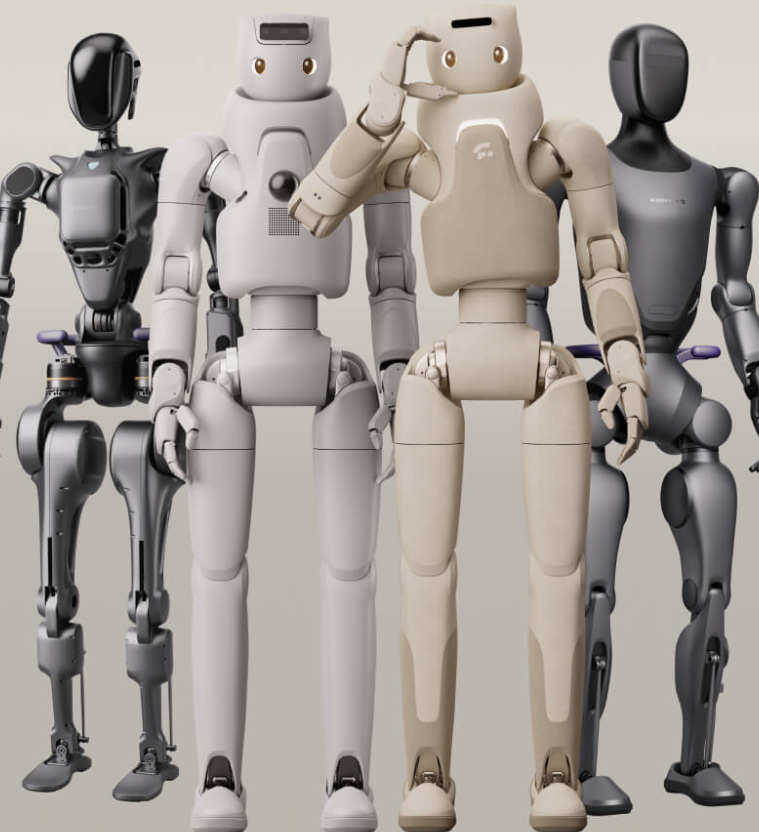
What Meta is actually building
Zuckerberg has framed the machine as the physical embodiment of the Muse model, with household chores as the intended application. The robot is not for sale.
A second version, Max 2, entered development in September. The first prototype took about three months from start to working unit.
That is the detail worth dwelling on. A three-month cycle and a deliberate decision not to commercialise point to a reference platform, not a product programme. Meta is building the body that its models will inhabit, and it is doing so with a partner that already has a shipping humanoid line rather than standing up its own factory.

Why a Chinese partner
Fourier has spent years on humanoid hardware, joint modules and the supply chain behind them. For a US software company, partnering removes two years of mechanical engineering and procurement work and leaves the model, the data and the interaction layer as the parts it owns.
The arrangement also cuts against a simpler narrative. The headline story of the past two years has been decoupling in hardware and compute. What actually happened here is a US platform company sourcing a Chinese body to run an American model, which is the pattern that Chinese robotics suppliers have been arguing for all along.
The competitive read
Until this year the humanoid field divided between venture-backed specialists such as Figure and carmakers such as Tesla. Alphabet, Microsoft and Meta sat on the software side, selling models into other people’s hardware.
Meta crossing into hardware compresses that division. If frontier model owners build their own reference bodies, the value of a standalone humanoid maker depends entirely on whether it can beat a platform company on manufacturing cost, and the record of hardware companies against platform economics is not encouraging.
The likelier outcome is consolidation rather than competition. Chinese manufacturers keep the body, the joint modules and the assembly lines, and licence the intelligence layer from whoever wins the model race, in the same way phone makers license an operating system.
Editor’s note: This is an adapted translation of the original OFweek report. It has been trimmed and restructured for readability for an international business audience. The full original (in Chinese) is at https://robot.ofweek.com/2026-11/ART-898890-8460-30710402.html.