Oak Fruit Robotics, a Beijing embodied-AI startup, has closed an angel round led by China Merchants Venture and NIO Capital, with a Tsinghua alumni seed fund following. Four months after a nearly 100 million yuan seed round in March, the company has now raised two rounds totalling several hundred million yuan. It was founded in late 2024 as the world’s first instinct-driven general embodied-intelligence company.
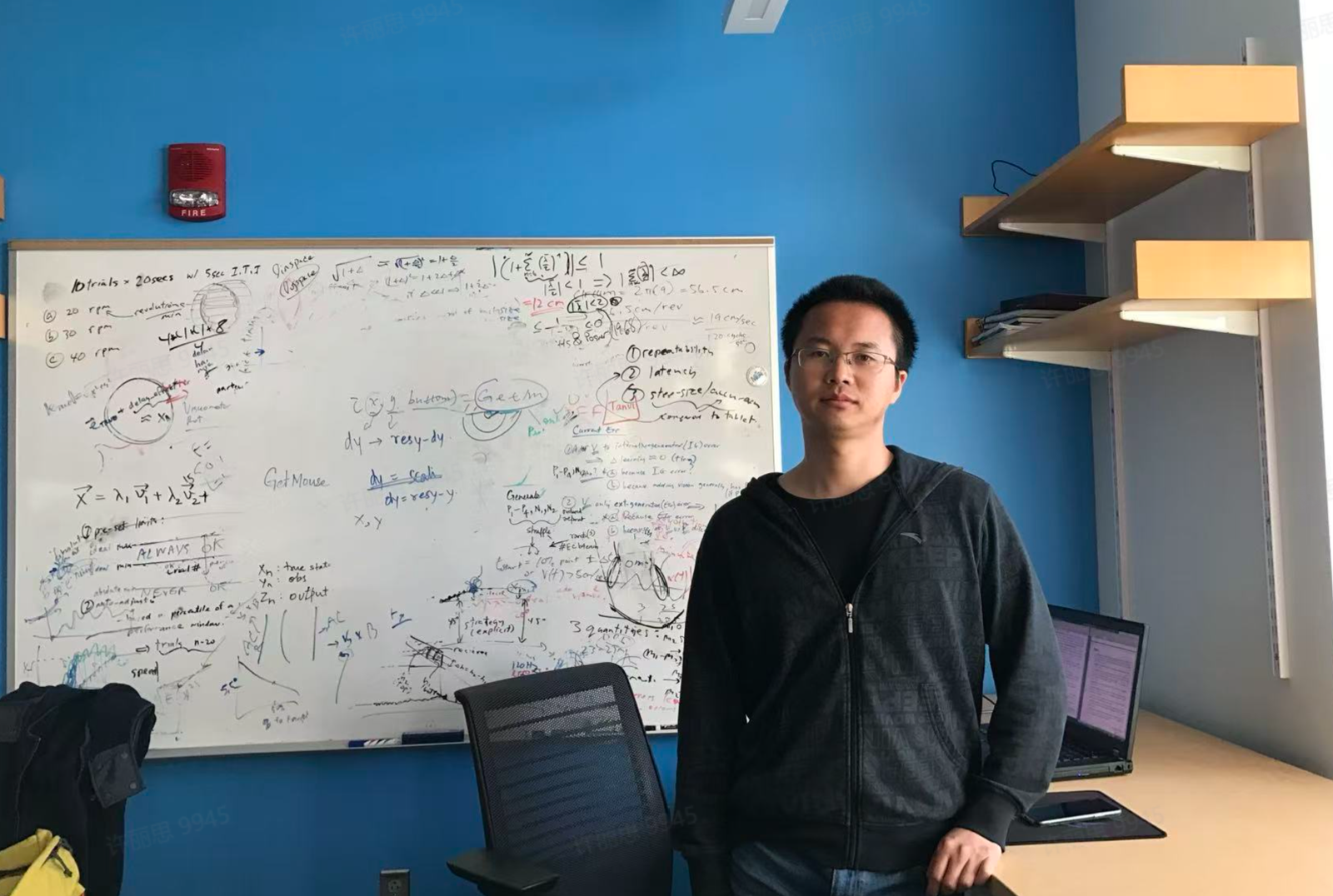
The team comes from Tsinghua and Harvard across mechanical engineering, neuroscience and AI, with roughly 15 years in robot manipulation. Initiator Jiang Yao, a Tsinghua associate researcher, proposed instinct-driven manipulation in 2017 and spent a Harvard postdoc studying how humans operate. Where most embodied-AI firms follow vision-led, data-hungry models, Oak Fruit builds bottom-up from touch, forming muscle memory through instinctive reflex so a robot can act from physical feedback without seeing the task before.
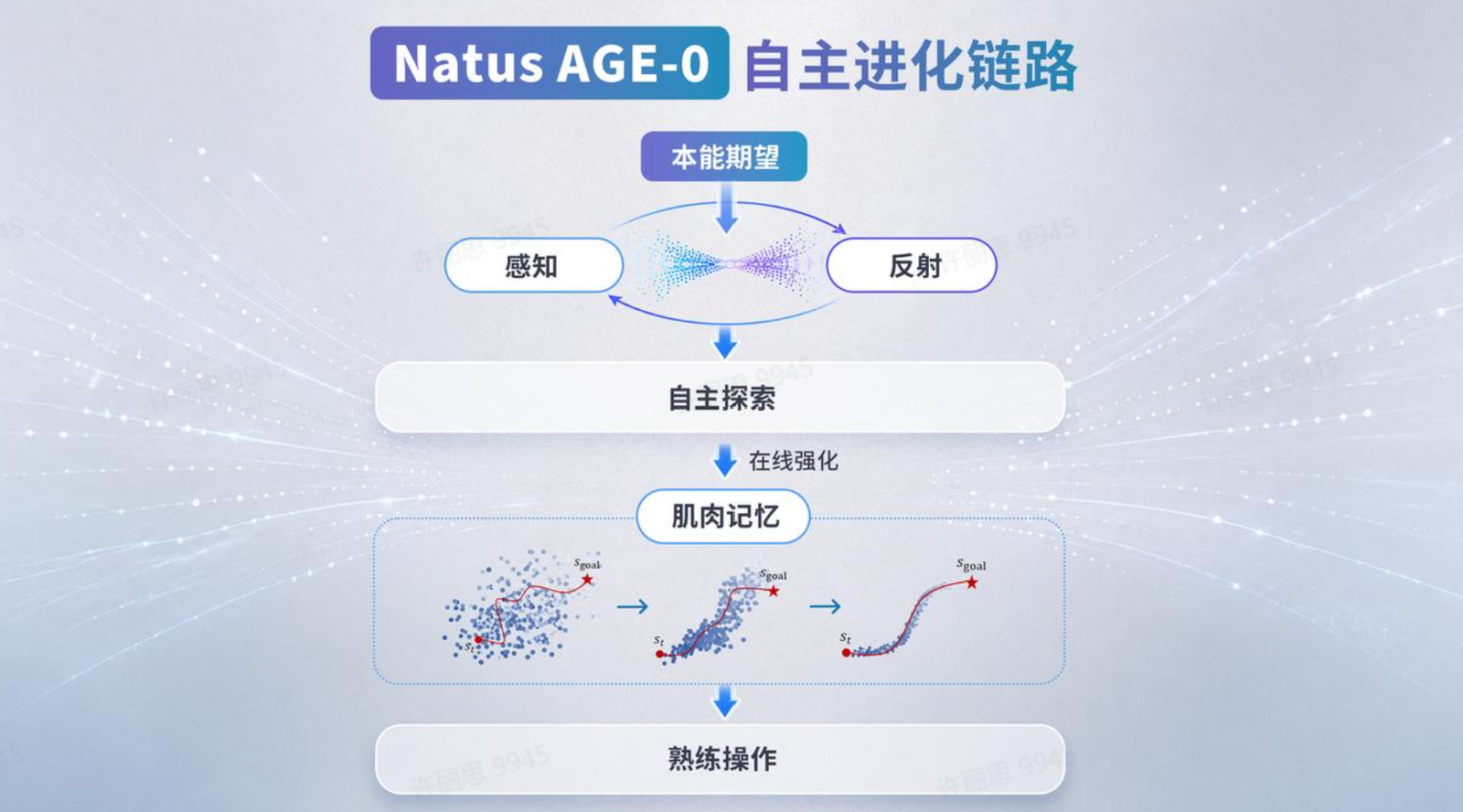
This month the company released Natus AGE-0, the industry’s first tactile-centric general manipulation base model, able to cold-start with zero pre-training data and generalise across bodies, materials and conditions. On top of it sits Magis, a skill model that turns interaction data into ready proficiency. Oak Fruit is shipping a standardised dual-arm flexible production cell and completed a proof of concept for a top global cosmetics ODM within two months, already booking revenue.
The bet is that physical AI, like autonomous driving, must enter real scenes to learn, and that instinct lets a robot start the car before the data flywheel spins. Oak Fruit compresses delivery cycles by over 70 per cent versus traditional automation and avoids project-by-project work, aiming instead at a worker’s manipulation ability as the ultimate flexible production unit.
Editor’s note: This is an adapted translation of the original Zhidx report. It has been trimmed and restructured for readability for an international business audience.