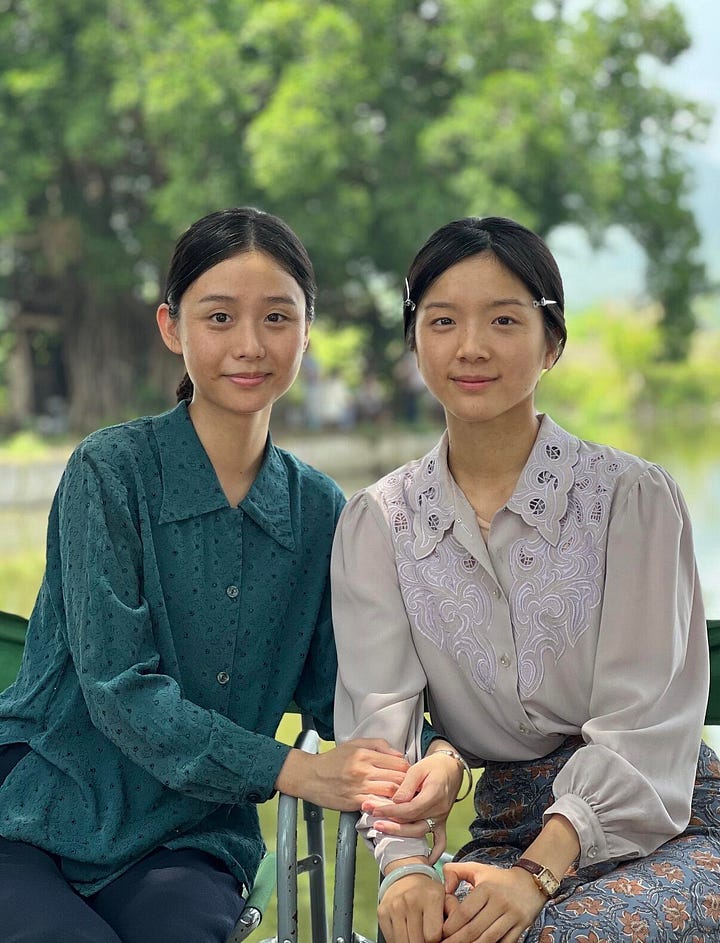
Giving the CCP’s dialect a total free pass while policing ancestral roots reveals the bizarre logic of defensive policymaking.
Mind Your Tongue
Giving the CCP’s dialect a total free pass while policing ancestral roots reveals the bizarre logic of defensive policymaking.
Singapore’s biggest newspaper says a Teochew film is dangerous. Meanwhile, Mandarin, literally Beijing dialect, gets a free pass. Let me explain why this makes no sense.
I watched Dear You (《给阿嬷的情书》) with my mother last week.
She cried. She has never spoken a word of Teochew in her life, but sitting there, she understood nearly eighty per cent of it.
That is the bittersweet reality of her generation: they can still tune into the past, even if they can no longer speak it.
Her own father, my grandfather, came from a tiny pocket of the Min community that spoke Longdu, another branch of Southern Min that is mutually intelligible with Teochew. My mother grew up surrounded by those ancestral cadences but never learned to speak them.
Years later, my grandfather lay on his deathbed and whispered his last words in Longdu. She understood every single word, even though she could only answer him in Cantonese. It remains a quiet, permanent regret of her life.
Yet, sitting in that dark theatre, the universal pull of family and generational ties bridged the gap. She didn’t need a technical degree in linguistics to feel the story.
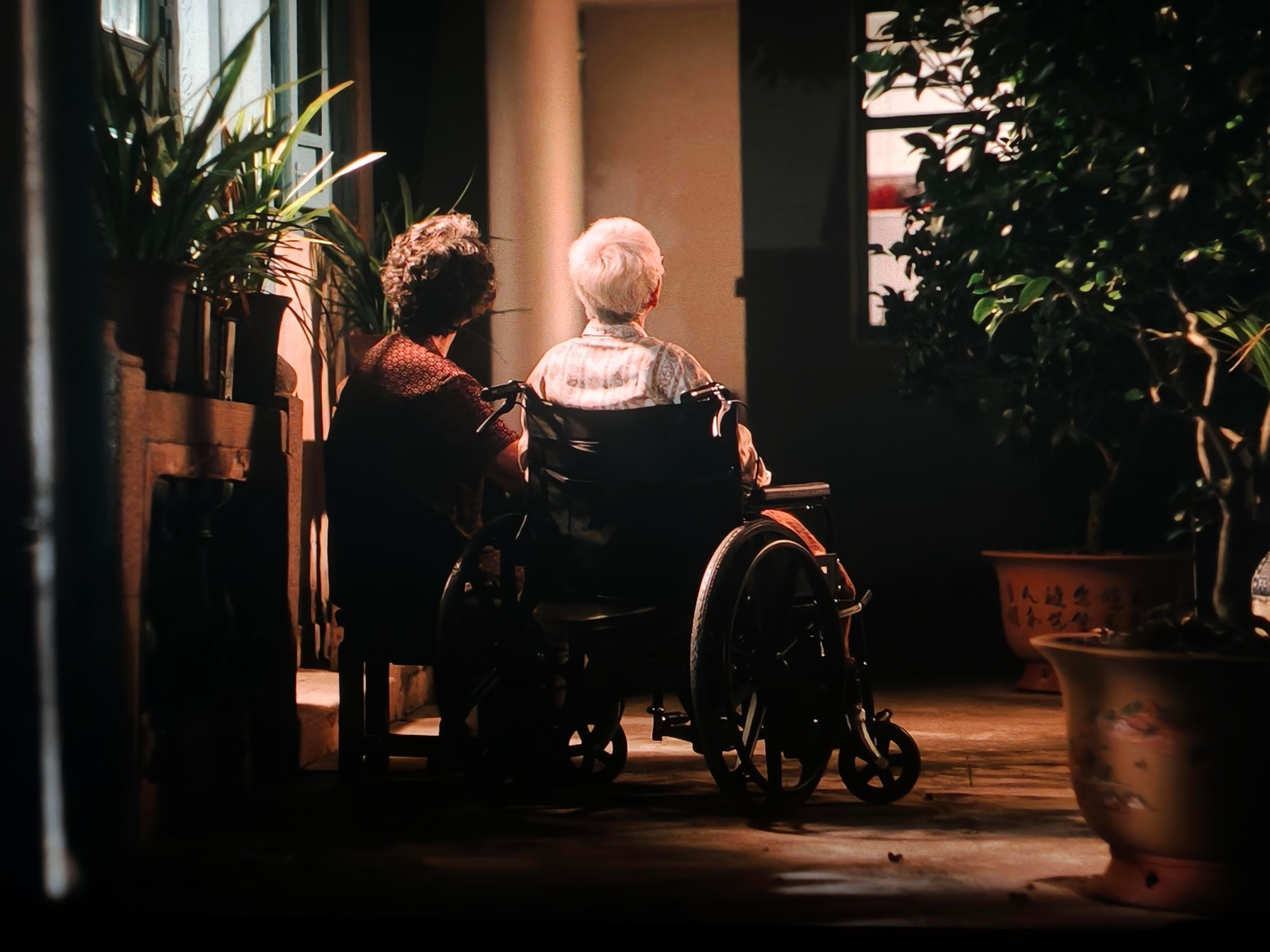
It was a deeply personal moment of cross-border connection. But when I turned to the news from Singapore, I found a completely different world.
I read Suling Lin’s review in The Straits Times calling the film problematic, and I realised that the technocrats who fear this movie the most have never sat in a dark theatre watching their own family weep.
First, the easy part.
Lin argues that portraying the Nanyang generation’s hardships, colonial authorities delaying wages, Thai authorities cracking down on Chinese schools, Indian thugs burning down a family business, could spark current racial tensions.
This is a straw man.
The film captures a specific, volatile era. Bad actors existed in every community back then. Suppressing these truths to appease modern sensibilities isn’t a defence of multiculturalism. It’s historical revisionism.
Following this logic, should Singapore ban decades of classic Hong Kong cinema? South Asian caricatures in those films were far harsher than anything in Dear You.
Audiences aren’t fragile. A historic villain on screen doesn’t become a modern-day target just because someone says so.
Art needs room to examine the scars of the past. Over-sanitising narrative cinema to avoid complex truths won’t foster social harmony. If anything, it only fuels the exact racial anxieties that censorship claims to prevent.
Now, the identity part, which is where it gets really strange.
Lin warns that Singaporean Chinese might “cede their identity” to a foreign director by embracing this story. This greatly underestimates the public.
Decades of nation-building have equipped Singaporeans to separate cultural ancestry from political loyalty. Feeling moved by Teochew mutual aid doesn’t mean surrendering your citizenship.
But more importantly, it misreads the film itself.
The story centres on Xie Nanzhi, a Bangkok-born second-generation Teochew woman, and Zheng Musheng, a fresh immigrant from Chaoshan. To him, she is practically a foreigner.
The film does not erase their divergent national circumstances, it dramatises how they cross them. This is cultural friction on screen, not a “homogenising civilisational pull”.
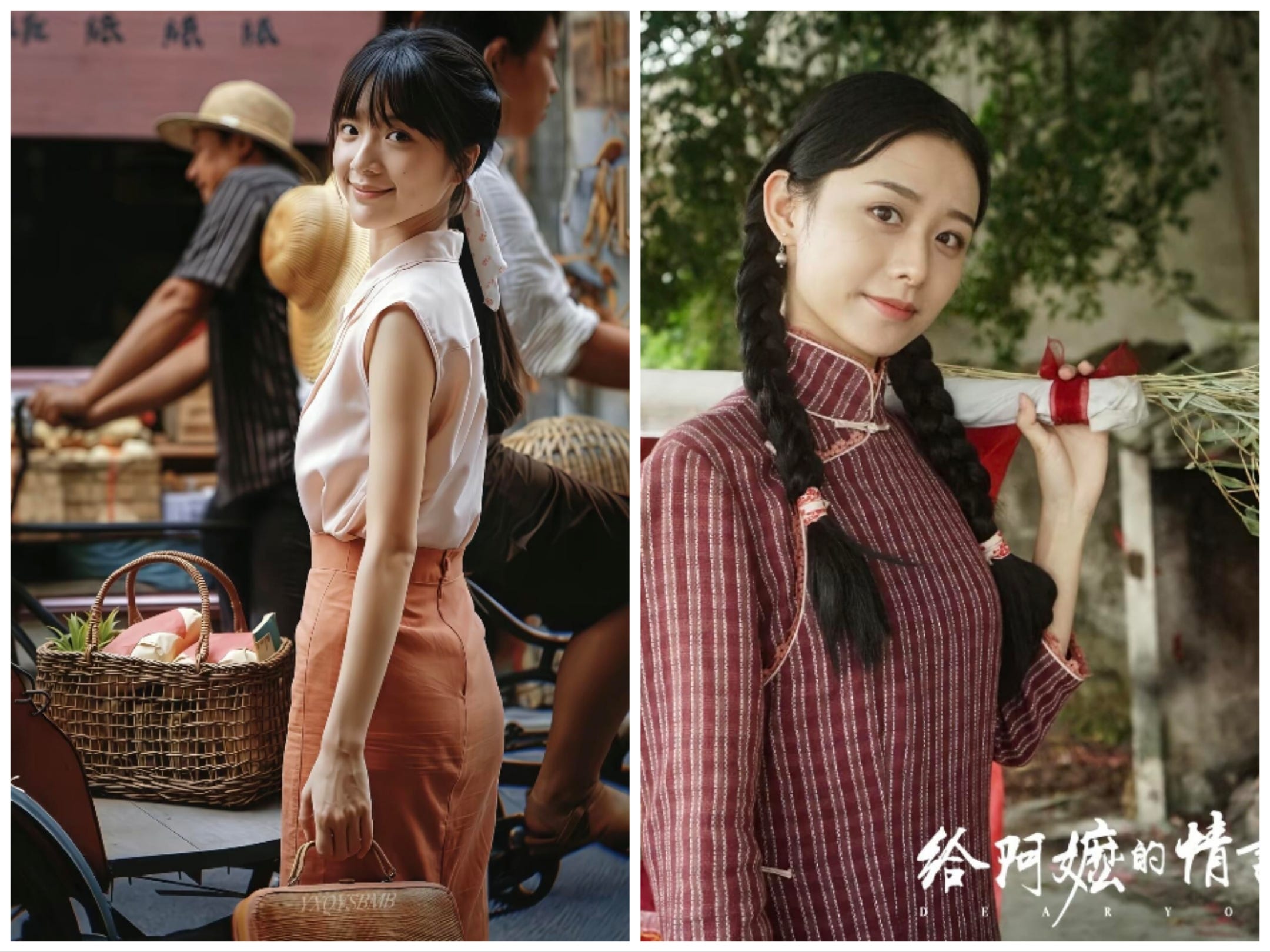
Modern Chinese and Singaporean national identities are both post-WWII constructs. Overseas Chinese without mainland K-12 education don’t share the same nationalist reflexes.
Yet Teochew cultural ties long predate these modern states. Assuming one dialect film can overwrite years of national education insults the audience’s intellect.
The Nanyang diaspora history is collective memory. Across Thailand, Malaya and Singapore, the experiences of remitting money, enduring separation and facing uncertain fates were remarkably similar. This emotional resonance, rooted in kinship, transcends modern borders.
This is the shared story of that Nanyang generation. It belongs exclusively to neither China, Thailand nor Singapore. Art should examine these cross-border ties without being accused of cultural betrayal.
“Please distinguish Chaoshan Teochew from Singaporean Teochew.”
This is peak academic pedantry. Nobody sits in a dark theatre sorting human emotion into technical compartments.
Here’s the reality: after decades of the Speak Mandarin Campaign, traditional dialects in Singapore are on life support. Many young people can’t grasp a word of Teochew.
When an IPS survey notes some improvement in heritage language proficiency among certain groups, the proper response is to welcome that revival, not to tell audiences to keep a cold, analytical distance from the very film helping drive it. That’s how you smother the last embers of a dying culture.
This forced separation smells like cultural isolationism. Singaporean Teochew has picked up Malay and English slang, sure, but the core DNA hasn’t changed. It’s the same language.
Insisting on “yours versus ours” when people are simply reconnecting with their heritage isn’t intellectual rigour. It’s over-thinking a cultural revival to death.
But here’s the real contradiction.
On one hand, Lin warns against a tribal “us Chinese versus the rest of them” mentality. On the other, she micro-manages the Teochew community by erecting arbitrary fences between Singaporean, Thai, and Chaoshan identities.
So which is it? You can’t spend half an article policing a film for being too tribal, then spend the other half criticising a minority culture for not separating themselves enough.
And here’s where the logic completely falls apart.
Praising “film nationality” as a guardrail for dialect screenings is a massive double standard.
The Speak Mandarin Campaign was launched decades ago for whatever reason. Today, Mandarin is secure. Traditional dialects are endangered cultural heritage. The original excuse for restricting them no longer exists.
Treating a foreign-made dialect film like a geopolitical Trojan horse while letting local ones slide? That’s just cultural protectionism. Culture suffocates in a vacuum. Block high-quality regional cinema out of paranoia, and you only speed up the extinction of your own heritage.
Now, the irony that nobody wants to talk about.
Mandarin is essentially Beijing dialect. It is the official language of the CCP. The vast majority of its speakers sit in mainland China. It gets a total free pass in Singapore.
Teochew, meanwhile, is an international dialect. Nearly half its speakers are scattered outside mainland China, across overseas Chinese communities from Bangkok to Kuala Lumpur to Singapore. Yet it faces strict institutional barriers.
Why is the dialect of a foreign state authority fully embraced, while a shared ancestral tongue is policed so heavily?
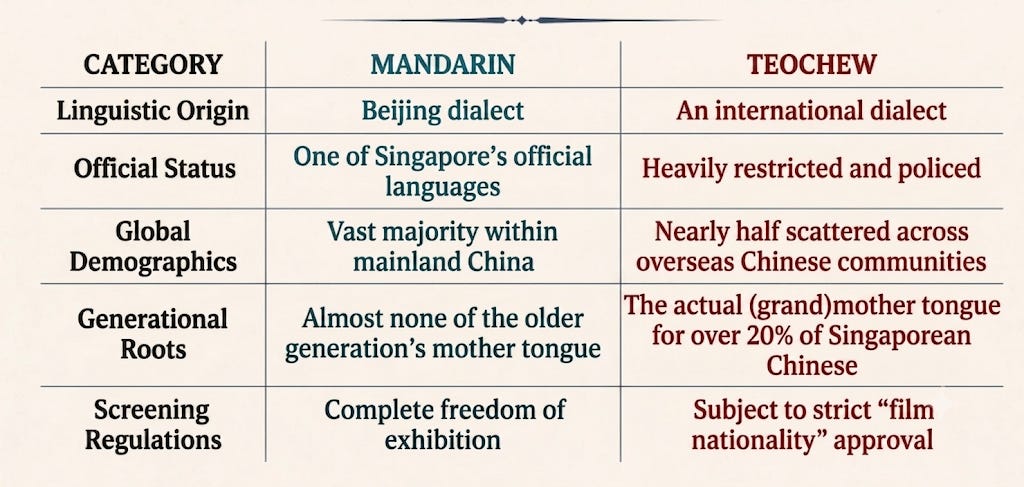
You cannot celebrate the audience’s “personal negotiation” in one breath, then defend strict policy restrictions in the next. Either you trust the public to make their own distinctions, or you don’t.
So “film nationality” will not remain an important guardrail and a key criteria for whether such language rules are lifted.
The real question isn’t whether Dear You threatens your national identity.
It’s this: when a nation’s cultural policy would rather let a dialect die than risk letting its people feel something, what exactly is that policy protecting?
So I’ll ask you directly:
Have you watched Dear You?
Did it make you feel more Chinese, more Singaporean (or whichever nationality you hold), or just… human?
And if you grew up with parents who stopped speaking their dialect, what did you lose when they did?
Drop your story below. I read every comment.
#DearYou #Teochew #Singapore #CulturalHeritage #OverseasChinese #HeritageLanguage #Identity #NanyangHistory