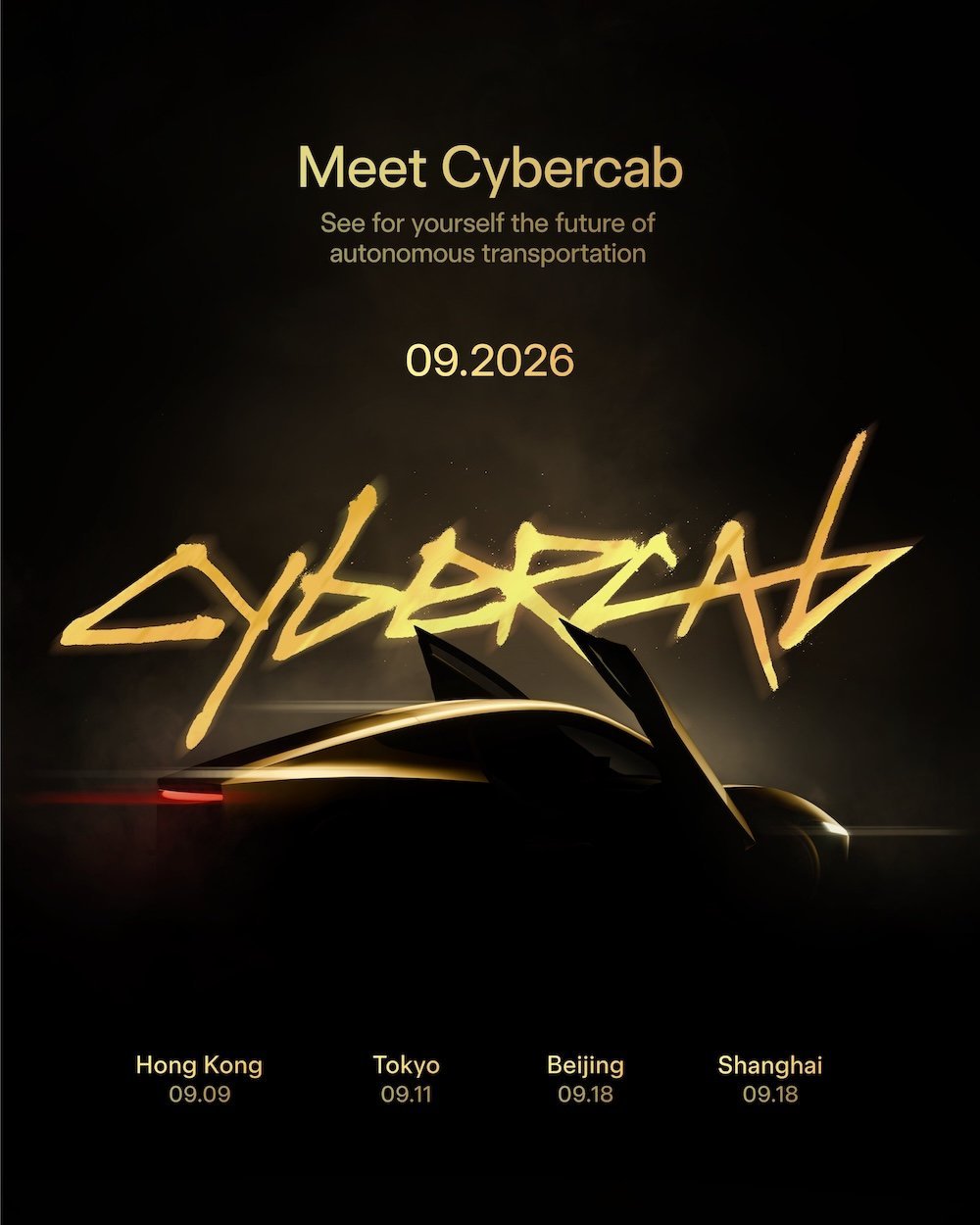
Tesla has pulled the covers off its production Cybercab, a purpose-built robotaxi that removes the steering wheel, brake and accelerator entirely and relies on its FSD system for full autonomy. The company opened the pod to public rides in Austin, Texas, and set China debuts in Beijing and Shanghai for 18 September.
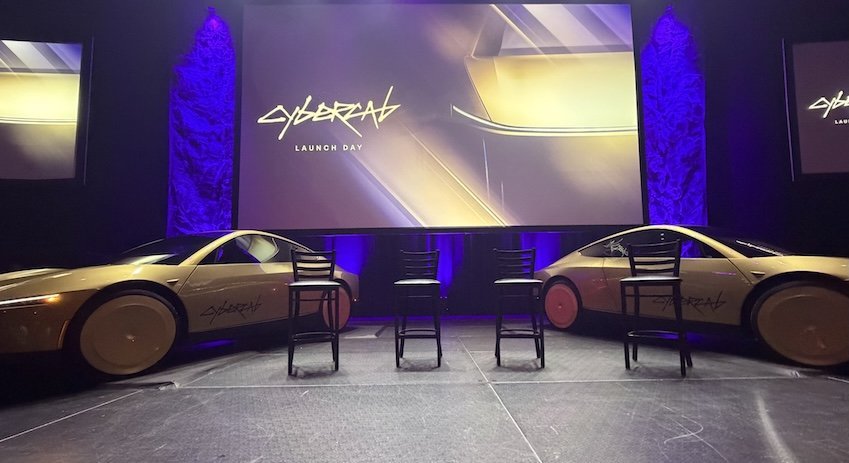
A launch run behind closed doors
The reveal was unusually secretive. There was no live stream, only a small invited audience, and several attendees said they were asked to sign confidentiality agreements and stay silent during the event. Tesla later published a passenger guide, app update notes and a fleet interest form rather than a price or a public sale channel.

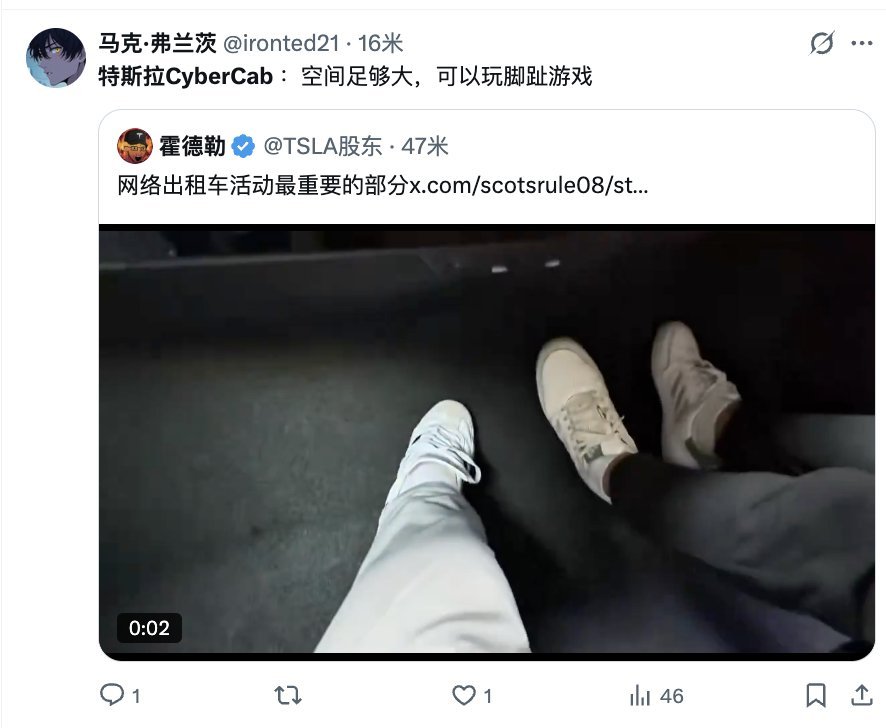
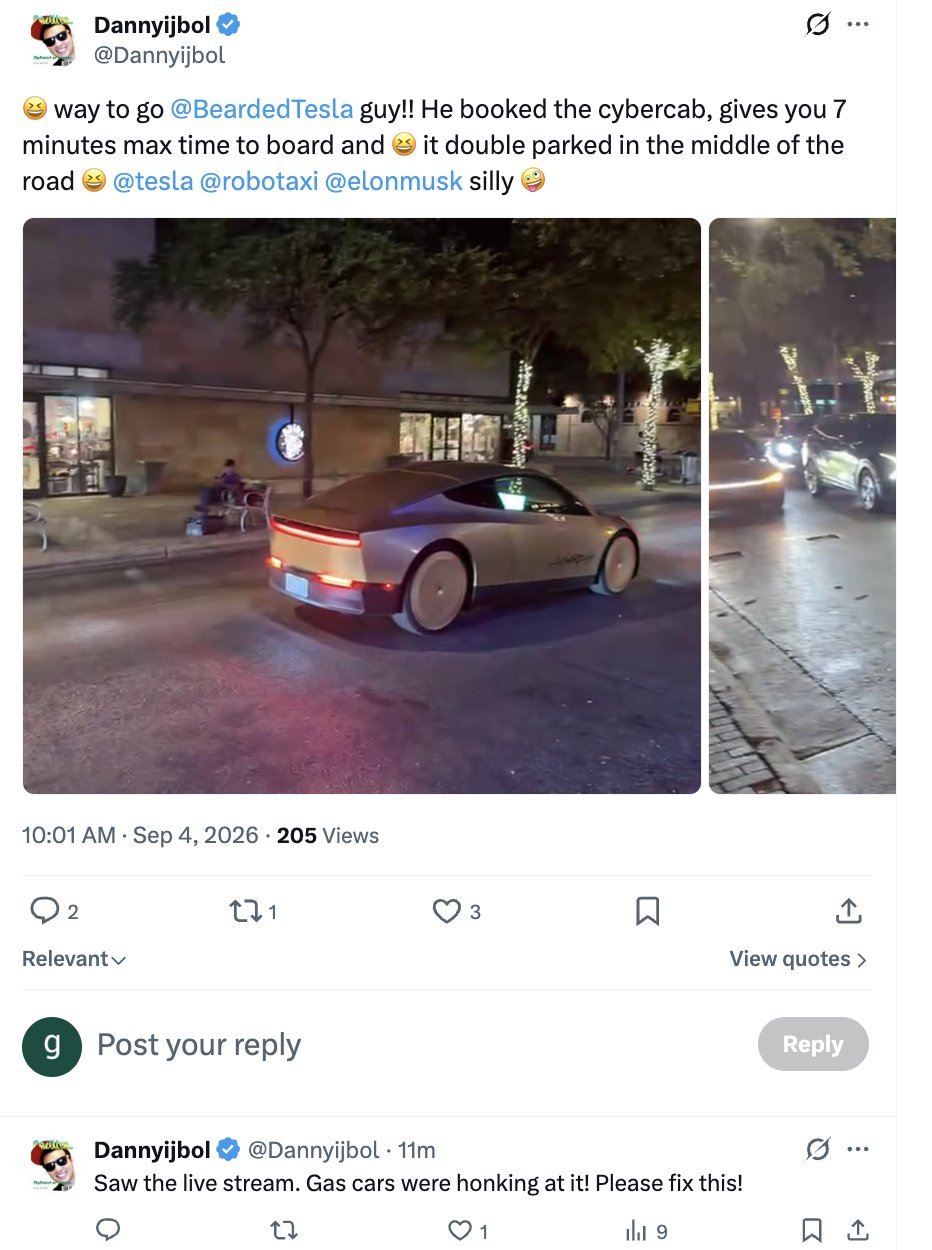
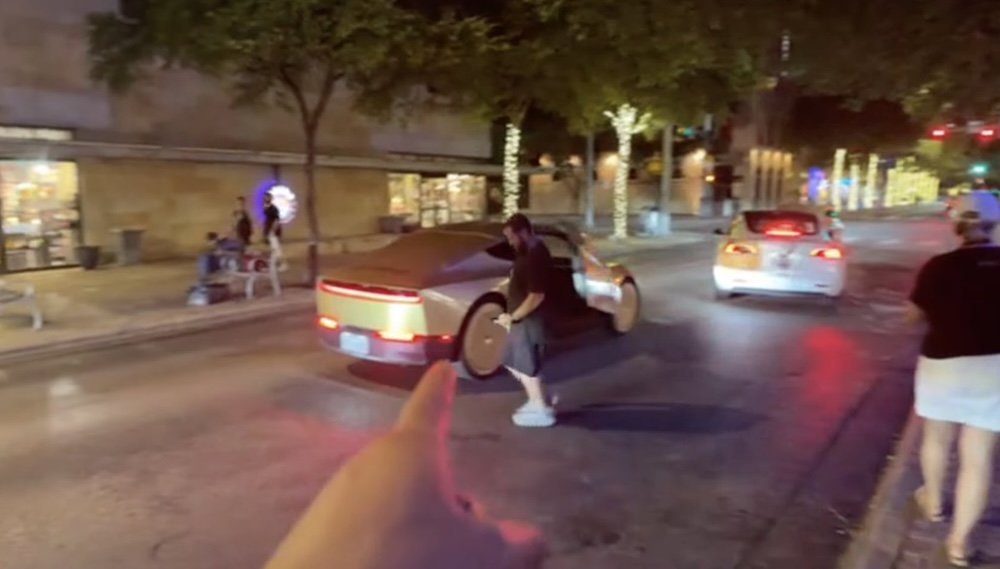
Early riders gave mixed notes. Some praised the pod for spotting children crossing the road and slowing, and for roomy seating. Others reported a suspected stall: one account described the car stopping in the middle of a lane to pick up a passenger, drawing honks from surrounding drivers. The gap between the demo promise and the street reality is exactly what Tesla must close before robotaxis reshape urban travel.
What the Cybercab actually is
The Cybercab is a two-seat, low-slung electric pod with a gold body, 1,754 mm width and 1,408 mm height, riding on a 144 mm ground clearance with upward-opening butterfly doors. There is no front trunk, the bonnet does not open, and the rear compartment holds about 572 litres with a 100 kg load limit, enough for two checked bags and two carry-ons on an airport run.
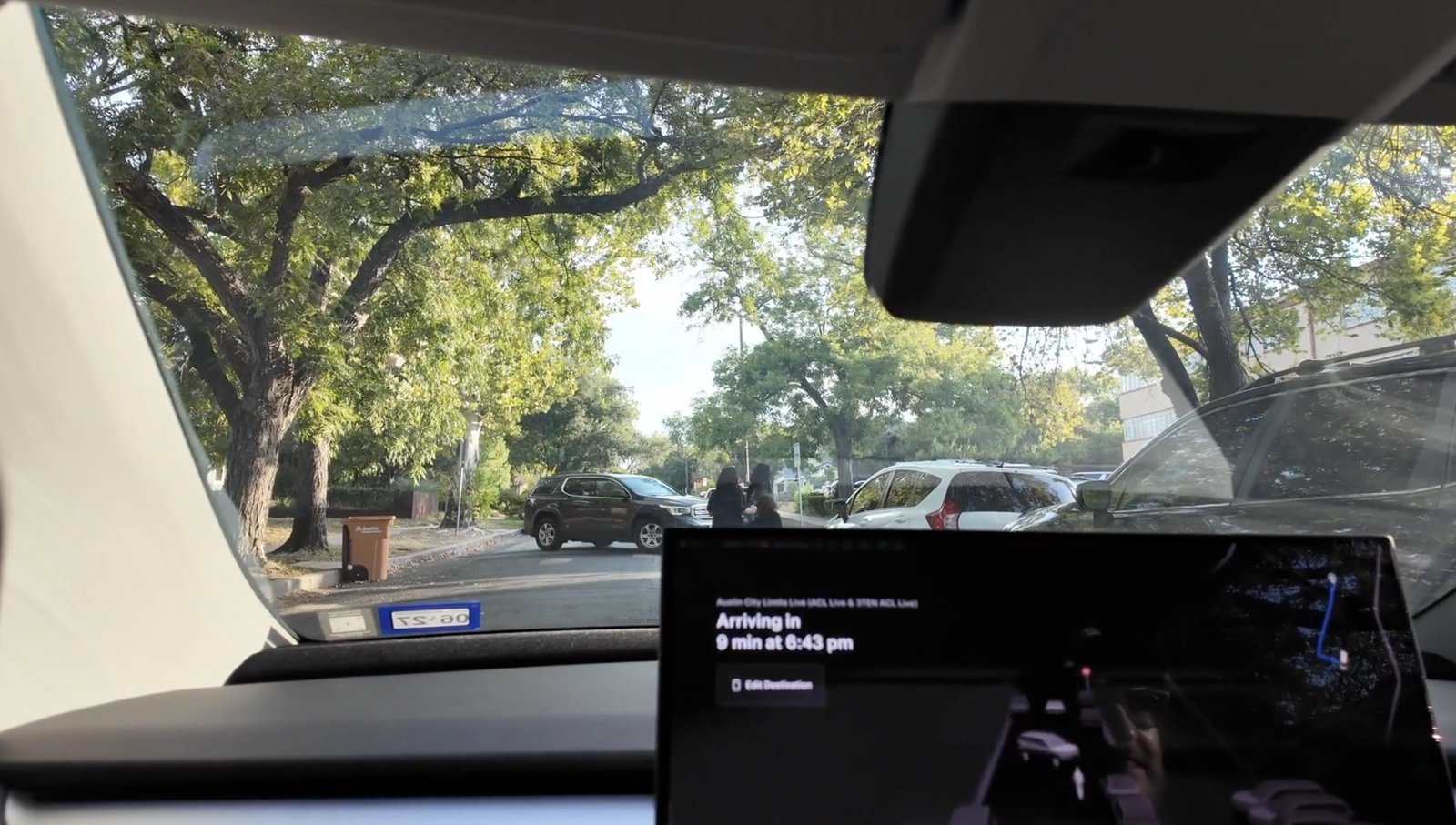
Inside, the layout is stripped to two seats, a 22-inch central touchscreen and a physical emergency stop. Nine cameras watch the road and the cabin, including an inward camera that checks cleanliness and lost items. The pod uses Tesla’s Unboxed modular build, a 48V low-voltage architecture, a single front motor and a 48 kWh pack, weighing 1,412 kg with an EPA range near 472 km.
How a ride works
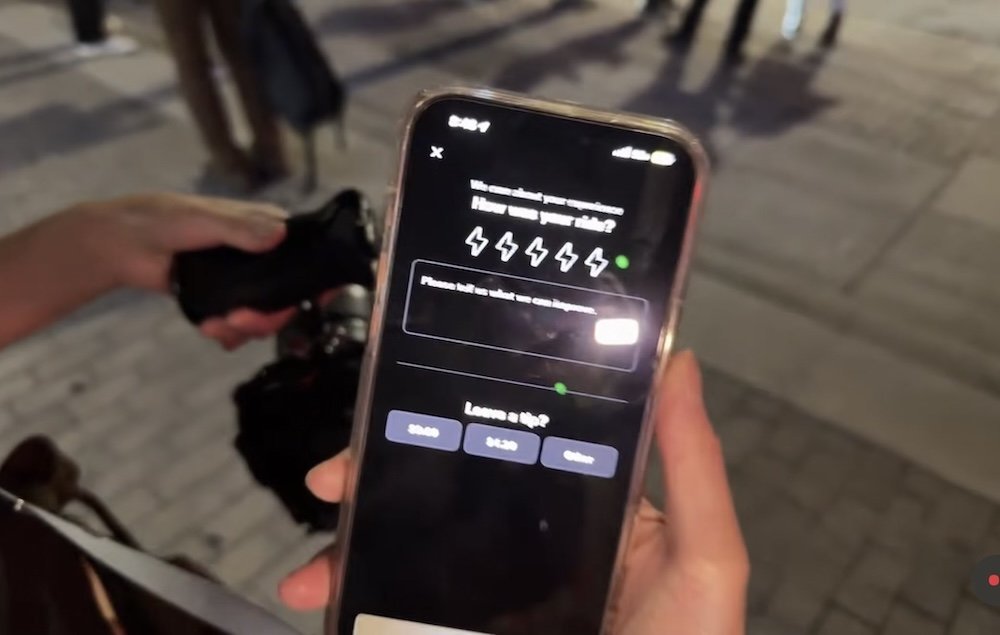
The whole trip runs through the Robotaxi app. The rider sets a destination, sees an estimated fare and wait, and the car arrives with a red tail light bar and a front RGB strip in the rider’s assigned colour. After boarding and buckling, a tap on “Start Ride” begins the trip; the screen shows the route, arrival time, climate and entertainment. Tesla sets the seat-back recline limit below 35 degrees, bans riders under 13, and ships no ISOFIX anchor, so child seats must use the belt.
Two models and a fleet plan
Tesla also updated the Robotaxi app to offer two bodies: the two-seat Cybercab for solo and paired riders, and a four-seat Model Y Robotaxi that keeps a wheel and pedals for larger groups. Ahead of the launch, Tesla began collecting fleet-buyer interest, asking for company name, deployment region and partnership type, a signal it wants a scalable network built with third parties, not just its own cars.
Today the paid service covers a limited zone in Austin. Elon Musk has said he expects it to reach a quarter to half of the United States by the end of 2026. Morgan Stanley analyst Andrew Percoco argues the launch matters more than any prior demo and values the robotaxi business at 120 dollars of his 400 dollar Tesla price target.
More from the original report
Editor’s note: This is an adapted translation of the original CheDongXi report. It has been trimmed and restructured for readability for an international business audience. The full original (in Chinese) is at https://chedongxi.com/p/375506.html.