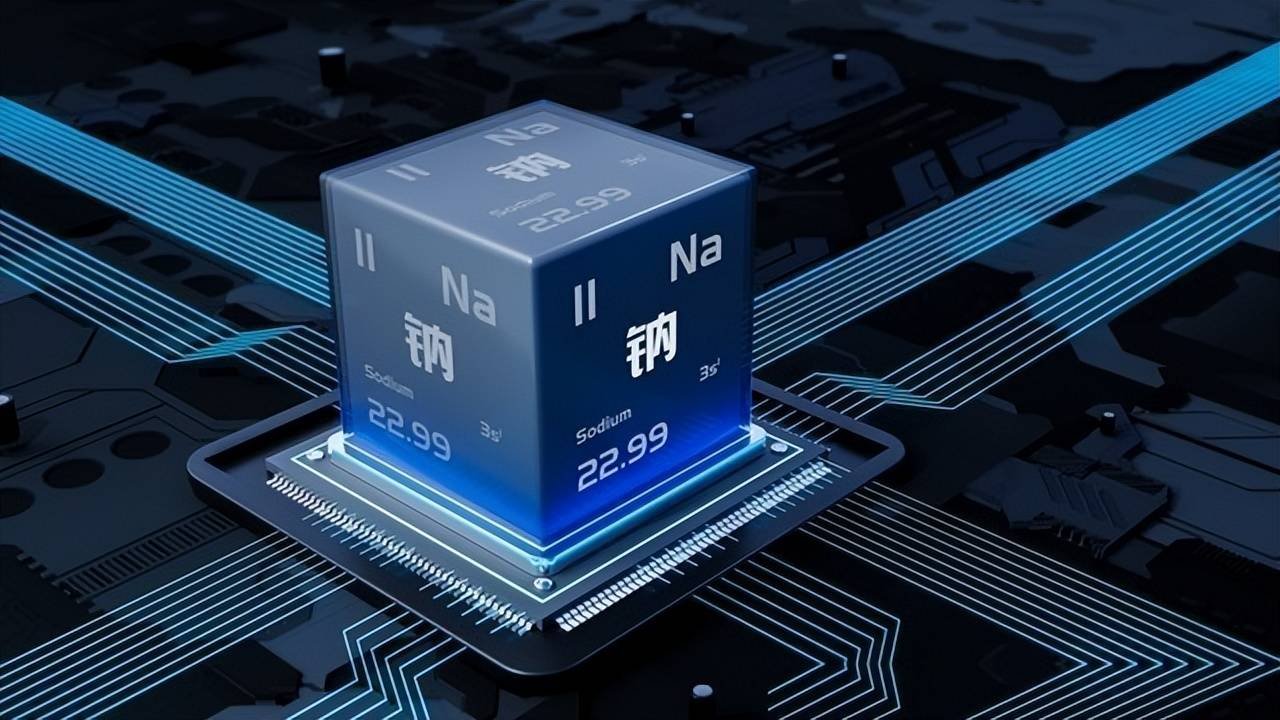
A nail is pushed slowly into a cell. Everyone watches for smoke. Nothing happens, no fire, no bulge, not even a wisp of white vapour. The battery in that test, however, was not the long-promised all-solid-state cell. It was a sodium-ion battery with liquid electrolyte, built by Hu Yongsheng’s team at the Chinese Academy of Sciences Institute of Physics.
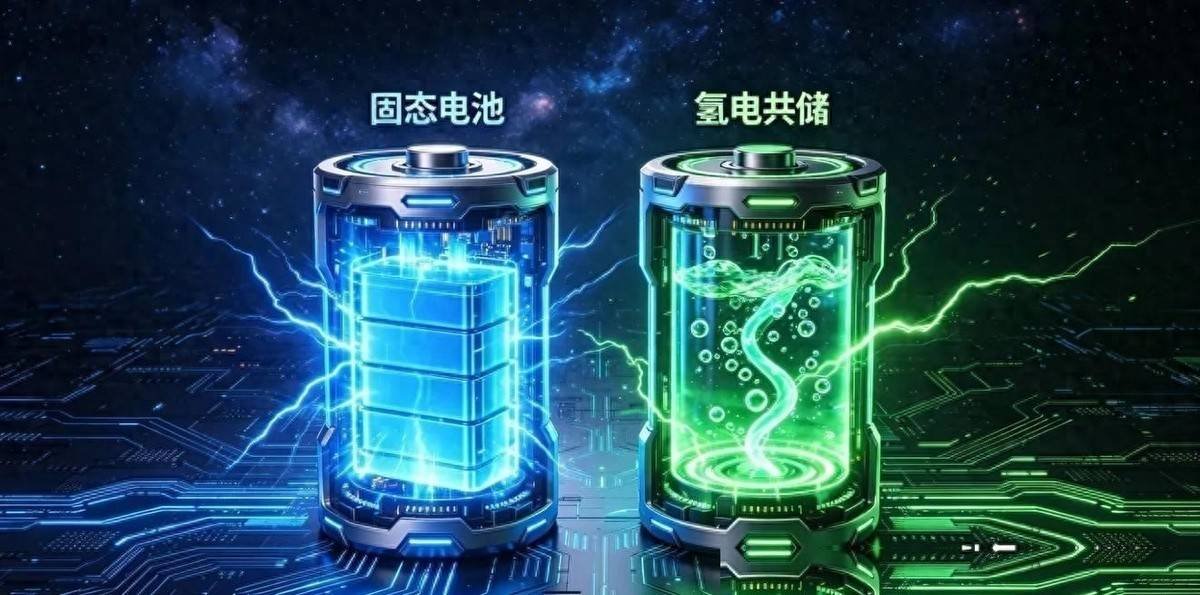
The clever part comes later. Past 150 degrees Celsius the electrolyte hardens into a dense film that strangles the danger at the source. The phrase “absolutely safe” had been sold as the exclusive selling point of all-solid-state. Yet by September 2026, lithium iron phosphate still held about 80 per cent of the batteries going into China’s electric vehicles, and true all-solid-state mass production is years away.
The hype has overshot reality. Semi-solid packs, like those in the Zhiji L6 and NIO ET9, reach 350 to 400 Wh per kg. The hard block is the solid-solid interface: liquid electrolyte seeps into every crevice of an electrode, but solids meet as two stiff plates. Ouyang Minggao named three bottlenecks, interface stability, lithium dendrites and air-sensitive sulfide electrolytes, and gave a calm timetable, validation starts in 2027, mass production in 2030. CATL’s Robin Zeng scored the industry’s best all-solid-state effort at just level 4 on a 1 to 9 scale.
Two Paths Quietly Take the Solid-State Crown
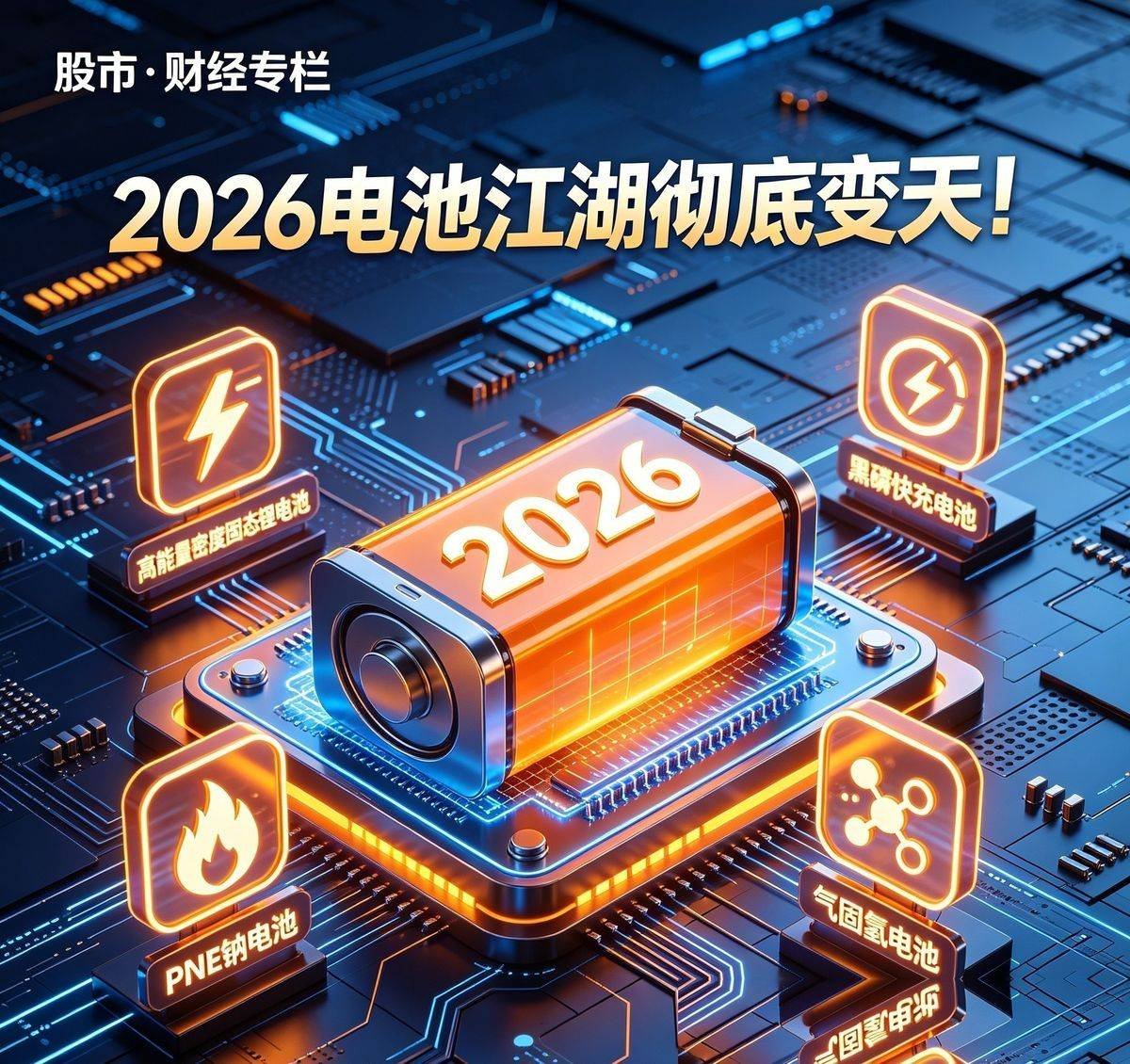
While the industry watched the calendar, another CAS group went around it. In late April, Ma Yanwei and Wang Kai’s team at the CAS Institute of Electrical Engineering published black-phosphorus fast-charge work in Nature Communications, with partners including RMIT in Australia. A prototype pouch cell hit 282 Wh per kg and took a ten-minute charge to 80 per cent of capacity across thousands of stable cycles.
Hu Yongsheng’s team went further on safety. Their paper in Nature Energy reported the first amp-hour-class sodium-ion cell with no thermal runaway. A polymerisable non-flammable electrolyte, PNE, forms a barrier above 150 degrees, cutting the heat path, and it works from minus 40 to 60 degrees using off-the-shelf industrial materials, heading into HiNa Battery’s production line.
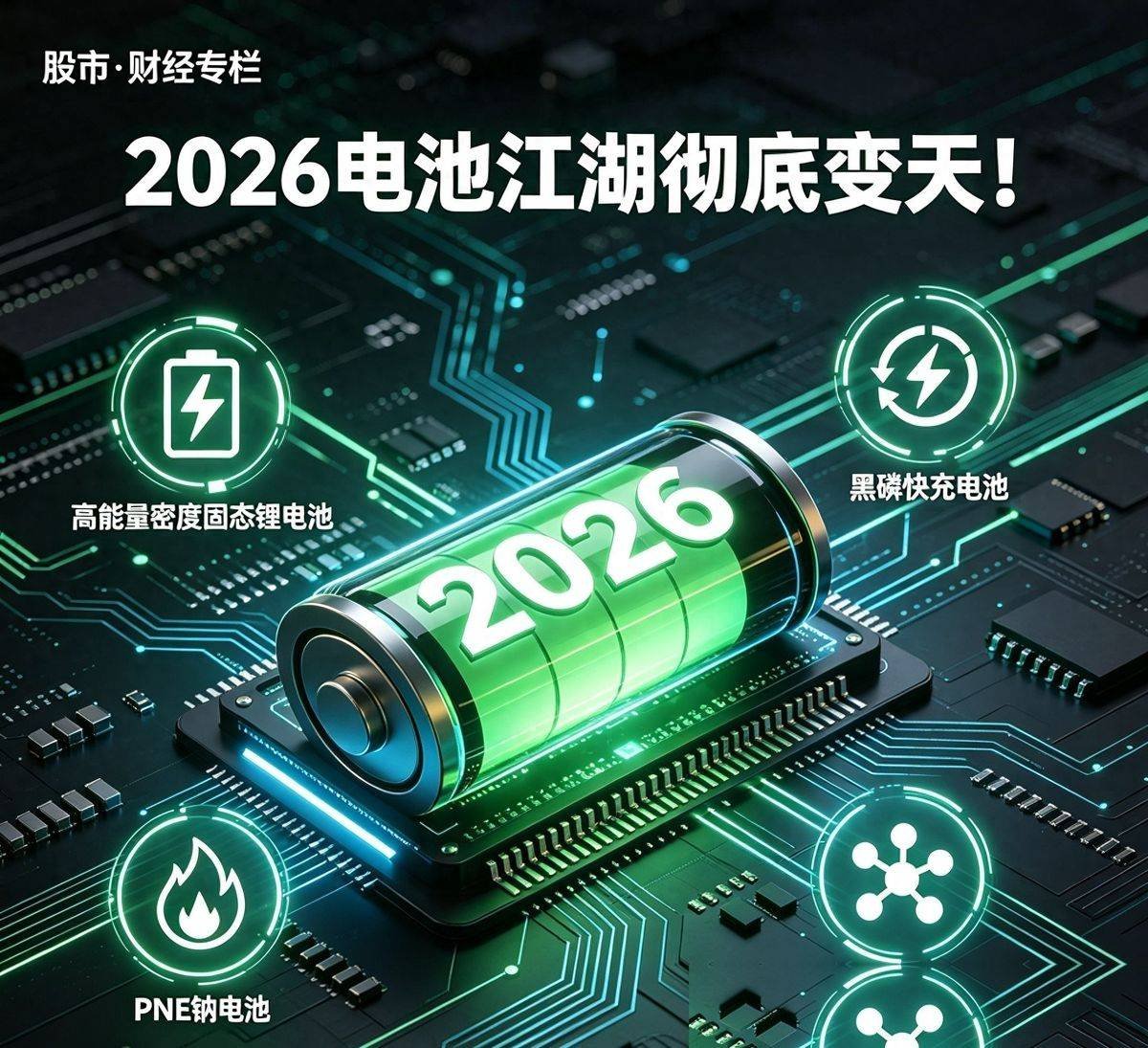
The solid-solid interface, the toughest all-solid-state problem, is also being chipped at by CAS people. In October 2025, Huang Xuejie’s team with Huazhong University and the Ningbo Institute added iodide ions to a sulfide electrolyte, and the ions migrate to the electrode interface under field and self-fill the gaps, removing the need for a 5 MPa external clamp, the equivalent of 50 atmospheres. They project a path to cells above 500 Wh per kg.
A further card reaches further still. In May, Chen Ping’s Dalian team reported the first gas-solid hydrogen anion prototype cell in Joule, using hydrogen and magnesium as active materials, working at ambient pressure with 93.9 per cent efficiency.
The bigger point is strategic. China’s lithium import dependence exceeds 70 per cent, so betting the whole future on one chemistry is a liability. Sodium is abundant, black phosphorus uses phosphorus, and the solid-state track keeps advancing. In 2026 several timelines paid off at once.
Editor’s note: This is an adapted translation of the original Sohu IT report. It has been trimmed and restructured for readability for an international business audience. The full original (in Chinese) is at https://www.sohu.com/a/1083202732_122575080.
Image gallery