Volkswagen’s China business has spent three years being described as a problem. In October the brand side of it produced a number that does not fit the description.
The Volkswagen brand delivered more than 28,000 new energy vehicles in China in October, up 346.9 per cent year on year and a monthly record for the brand. Its rank among new energy brands moved from 30th to inside the top 15.
The market it did that in was contracting. Retail sales of new energy passenger cars came to 1.109 million units in October, down 13.7 per cent, according to the China Passenger Car Association. Growth of that size against a falling market is a share shift, not a tide.
Where the volume came from
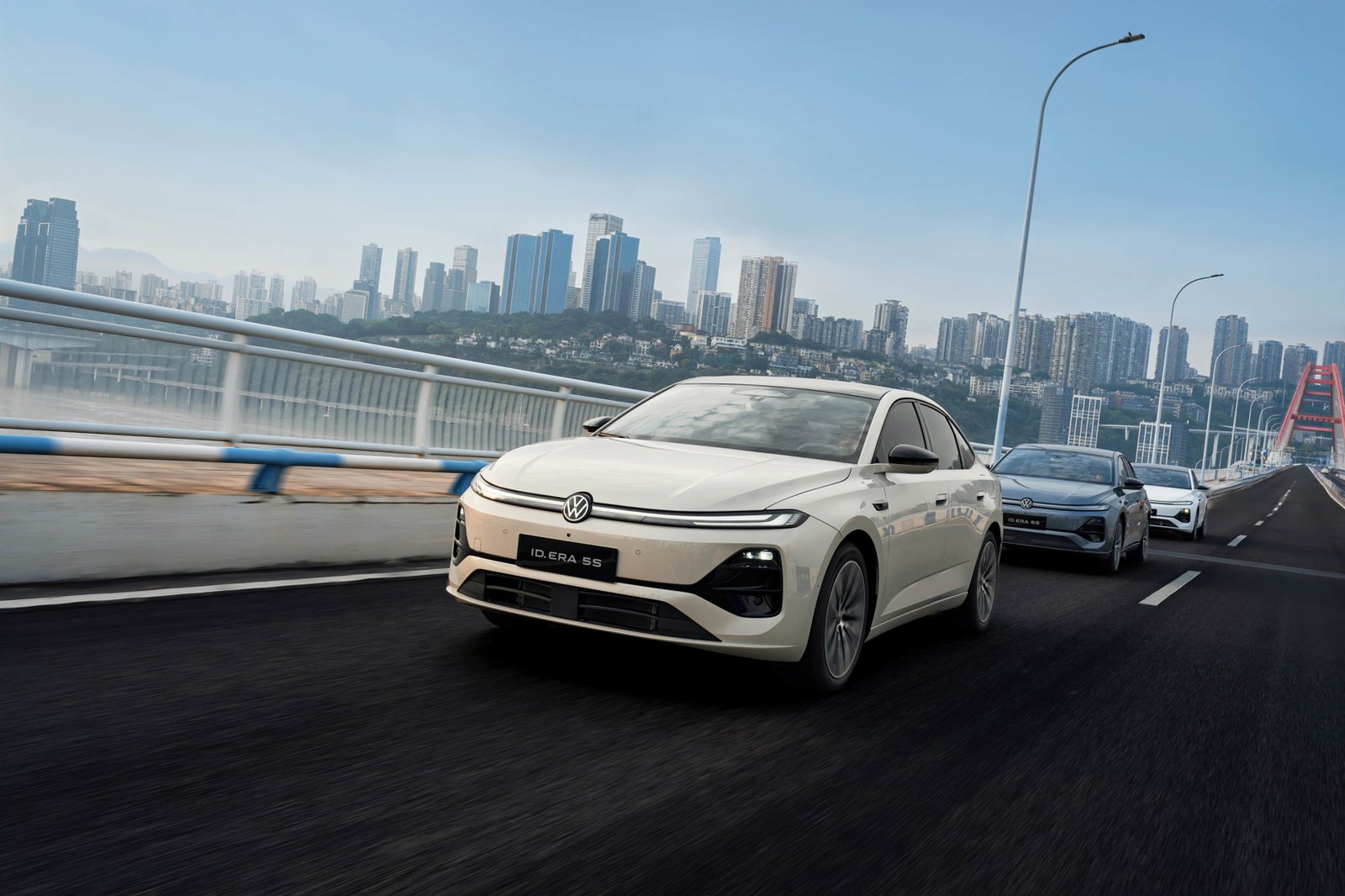
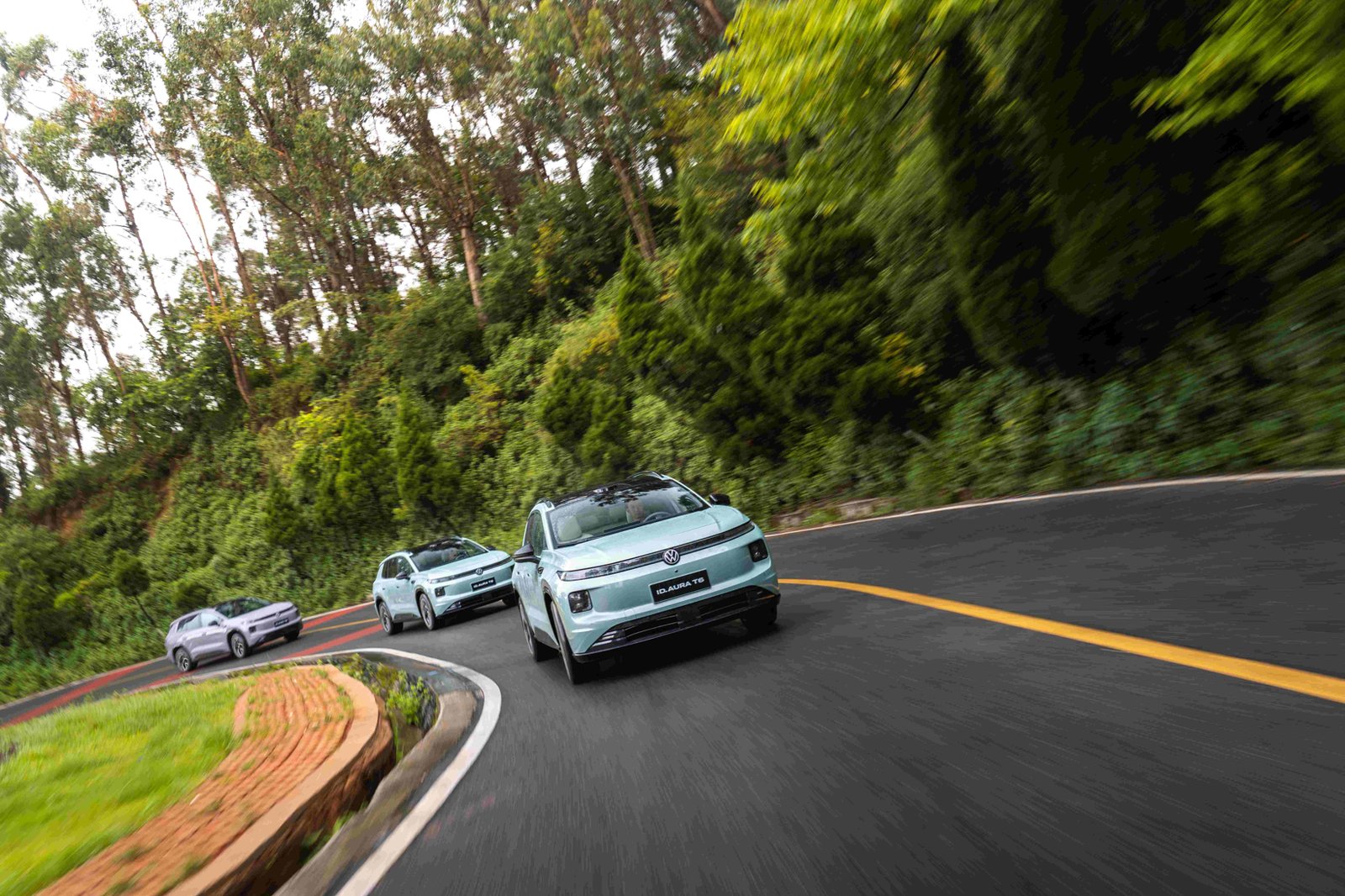
The ID. AURA T6 carried it, with more than 12,000 deliveries and first place in the mid-size new energy SUV segment. Cumulative orders for the year reached 46,100, and 80 per cent of those buyers had never owned a Volkswagen. The ID. ERA 5S delivered 7,100 units with more than 32,000 orders since launch. The ID. ERA 8X, on sale since 12 October, took 10,000 orders in its first month and delivered 3,500. The first new energy Jetta, the M6, delivered more than 1,200 units in its first week.
The part that travels
Volkswagen plans 13 new energy models in China for 2026 and has launched 11. The ID. ERA 5X arrives on 12 November and the ID. AURA L5 in December, both on the locally developed VEGA technology stack. Six more VEGA models follow within 18 months. The targets are a top ten position in Chinese new energy sales by 2027 and a new energy share above 75 per cent by 2030.
A 346.9 per cent gain off a small base is not proof of a turnaround. What matters for European assembly plants is the VEGA stack itself. If a platform defined, engineered and costed in China produces cars that sell at Chinese price points, the question of whether that architecture returns to Wolfsburg stops being theoretical. Volkswagen has already said it will use Chinese electronics architecture in Europe. October is the first month with a volume number attached to that decision.
For European suppliers the read is narrower and harder. A brand that needed 30th place in China to reach the top 15 in twelve months will price its European models against a cost base built in Hefei, not in Lower Saxony.
Editor’s note: This is an adapted translation of the original Gasgoo report. It has been trimmed and restructured for readability for an international business audience. The full original (in Chinese) is at https://auto.gasgoo.com/news/202611/11I70477652C110.shtml.